Expert Sewer Jetter Solutions. 10% Off for a Limited Time. Learn More.

Contact Us (800) 747-2312

How to Choose the Right Street Sweeper: Types, Applications, and Selection Guide

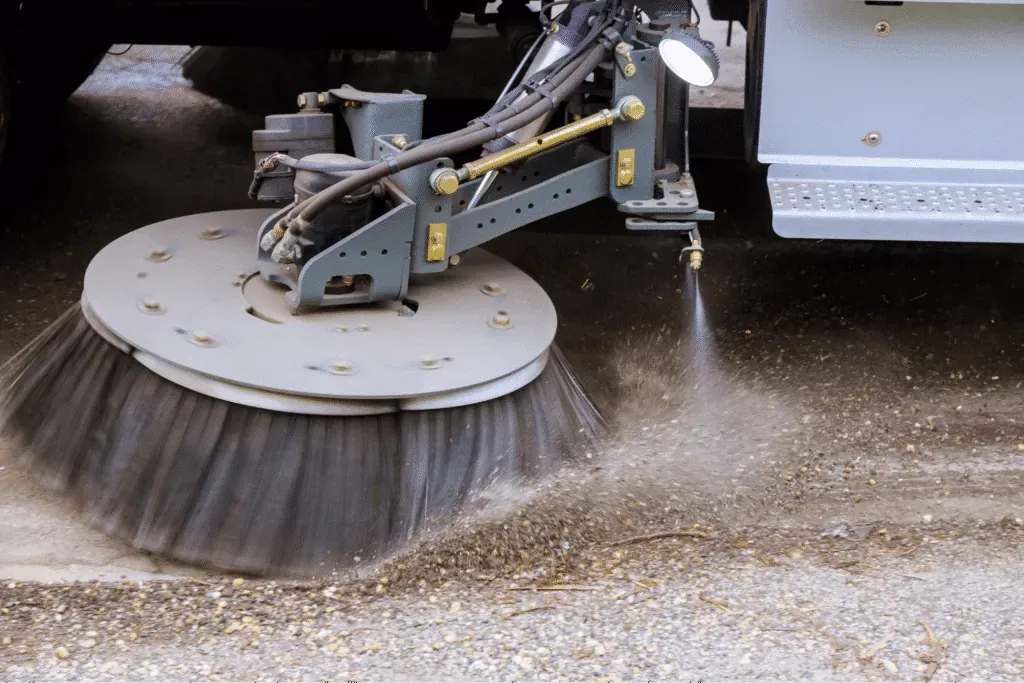
Street sweeper effectively removing dirt and debris from pavement.

The right street sweeper depends on what you’re cleaning, where you’re cleaning it, and the air and water quality rules you operate under. Mechanical, regenerative air, and vacuum sweepers each handle debris differently, and matching the technology to your routes is what separates an efficient program from constant rework. This guide breaks down the three types, the factors that should drive your decision, and how to weigh long-term cost against upfront price.

Key Takeaways

  • Mechanical sweepers use rotating brooms and a conveyor to move heavy, bulky debris like gravel and asphalt millings, making them the workhorse for construction and industrial sites.
  • Vacuum sweepers use suction and water spray to capture fine particles and control dust down to 10 microns (PM10), which suits urban centers, airports, and dust-controlled sites.
  • Regenerative air sweepers run a closed-loop air system that handles mixed debris with low dust emissions and quieter operation, fitting suburban streets, parks, and mixed commercial areas.
  • Debris type is the primary selection driver: heavy material points to mechanical, fine dust points to vacuum or regenerative air.
  • Environmental compliance (PM10, PM2.5, and stormwater rules) often dictates the choice, since vacuum and regenerative air units are designed to trap fugitive dust that mechanical sweepers can release.
  • Total cost of ownership, not sticker price, determines real value: factor in fuel, water, broom and filter replacement, downtime, and local service availability.

Why Street Sweepers Matter for Roadway Maintenance

Street sweepers protect road surfaces, reduce safety hazards, and limit environmental risk by routinely clearing debris before it causes problems. Removing gravel, leaves, and fine particulates extends pavement life, improves driver visibility, and keeps drainage systems from clogging. That proactive work reduces emergency repairs and helps public works departments manage long-term infrastructure investment.

There is an environmental dimension too. The Federal Highway Administration notes that regular street cleaning reduces pollutants in stormwater runoff from street surfaces, since sweepers physically remove solids before rain carries them into storm drains. For agencies building these efforts into broader roadway and highway maintenance programs, sweeper selection is a foundational decision.

Mechanical Sweepers: Reliable Power for Heavy-Duty Cleaning

Mechanical sweepers collect heavy, bulky debris using rotating brooms and a conveyor system that moves material into a hopper. Often called “broom sweepers,” they are the most durable and straightforward of the three types, which makes them the default for coarse debris and demanding job sites.

How Mechanical Sweepers Work

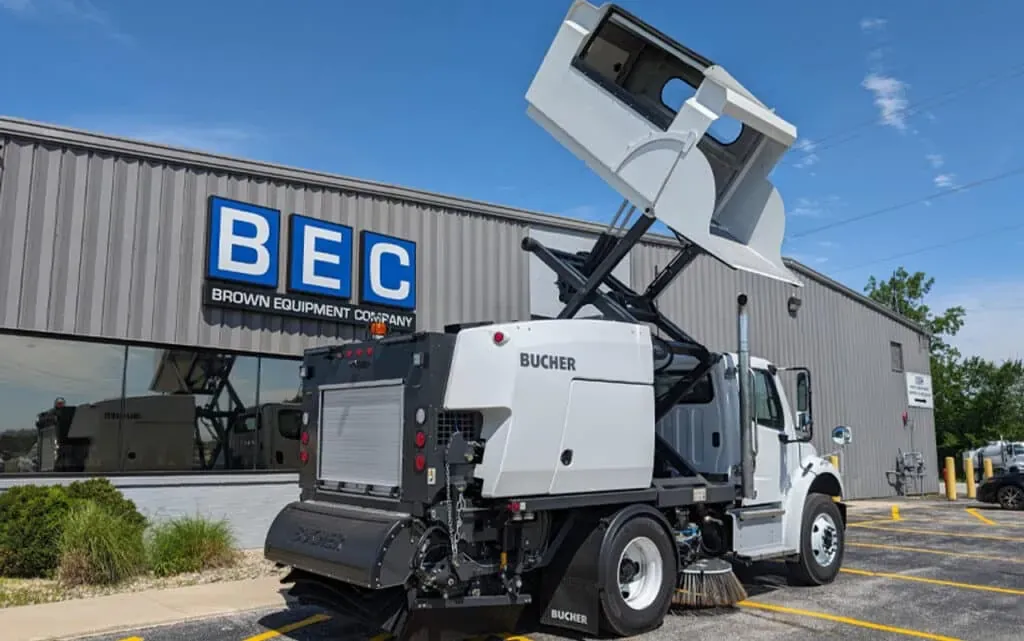
Street sweeper operating outside Brown Equipment Company, showcasing advanced cleaning technology.

A rotating cylindrical broom at the center loosens debris and directs it toward the conveyor, which deposits it into the hopper. Side brooms sweep curbs and gutters where material collects. The simplicity of this design is what makes it dependable in tough environments.

Benefits of Mechanical Sweepers

Their strengths center on durability and raw debris-handling capacity:

  • Efficient with large debris: Handles gravel, sand, asphalt millings, and construction rubble that would clog other systems.
  • Durable design: Fewer complex components let them withstand harsh conditions and continuous use.
  • Simpler maintenance: Parts are relatively easy to access and service, which is a long-term cost advantage.

Drawbacks of Mechanical Sweepers

The trade-offs show up around fine particles and noise:

  • Limited fine-particle capture: They can struggle with very fine dust and may release finer particles into the air.
  • Higher noise levels: Continuous broom and conveyor movement produces considerable sound.
  • Broom wear: Recurring surface contact means regular broom replacement.

Best Applications for Mechanical Sweepers

Mechanical sweepers excel in industrial areas, highway projects, and anywhere coarse or bulky debris is frequent. Their rugged construction and cost-effectiveness make them a dependable choice when noise sensitivity is not a primary concern.

Vacuum Street Sweepers: Precision Cleaning for Dust and Fine Particles

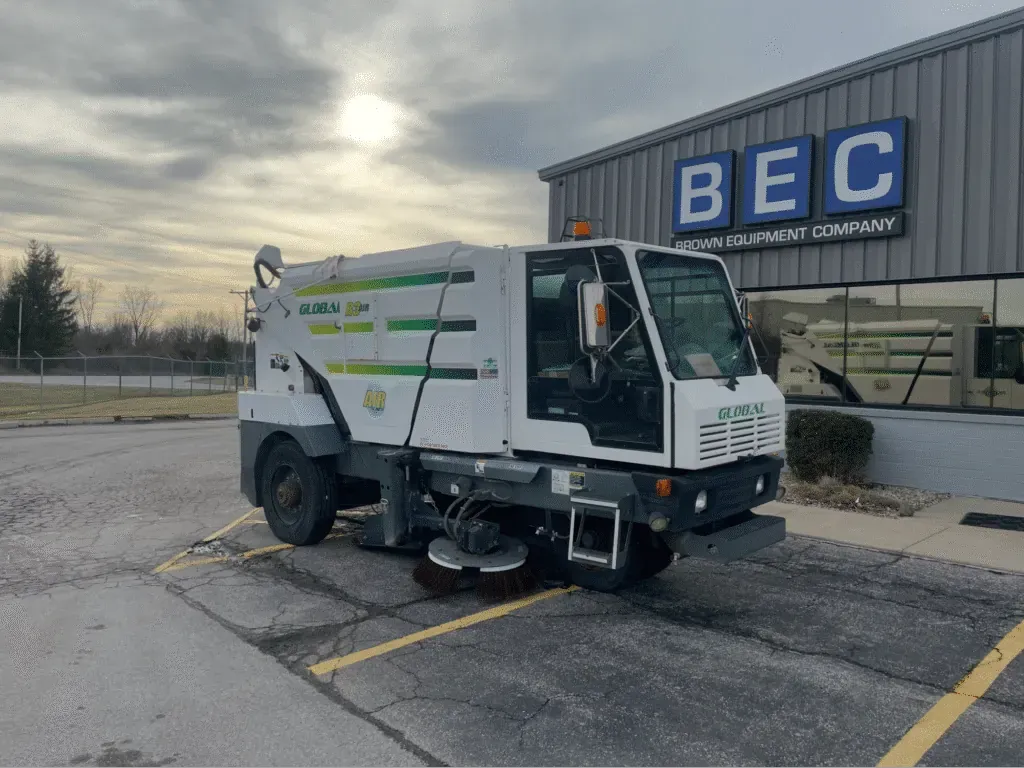
Innovative street sweeper on display at Brown Equipment Company facility.

Vacuum street sweepers use suction-driven airflow, often paired with water spray, to capture fine debris and control airborne particles that mechanical units miss. They are the strongest option where dust control and air quality are the priority.

How Vacuum Street Sweepers Function

A powerful fan creates suction beneath the sweeper, drawing debris and dust into a central collection receptacle. Water spray moistens the road surface to suppress dust and make fine particles easier to pick up, while side brushes direct debris toward the intake. The result is meaningful control over airborne particles and better local air quality.

Benefits of Vacuum Street Sweepers

Their advantages concentrate on fine-particle control:

  • Superior dust control: The EPA notes that vacuum and regenerative air sweepers are more efficient than mechanical brooms at capturing fine particles, including dust down to 10 microns (PM10), with the right filtration.
  • Versatility: Effective across surfaces, from smooth roads to uneven pavement.
  • Improved air quality: Trapping smaller particles helps reduce pollution at the source.

Challenges of Vacuum Street Sweepers

The limitations relate to larger debris and system complexity:

  • Limited capacity for large debris: Bulky objects can clog the intake.
  • Higher maintenance needs: Fans and filtration systems require more frequent servicing.
  • Higher initial investment: The added technology typically carries a higher price.

Best Applications for Vacuum Sweepers

Vacuum sweepers fit areas with strict dust-control requirements, including downtown commercial districts, airports, and industrial sites. Where air quality is paramount, their fine-debris capture makes them especially valuable.

Regenerative Air Sweepers: The Versatile Solution for Mixed Debris

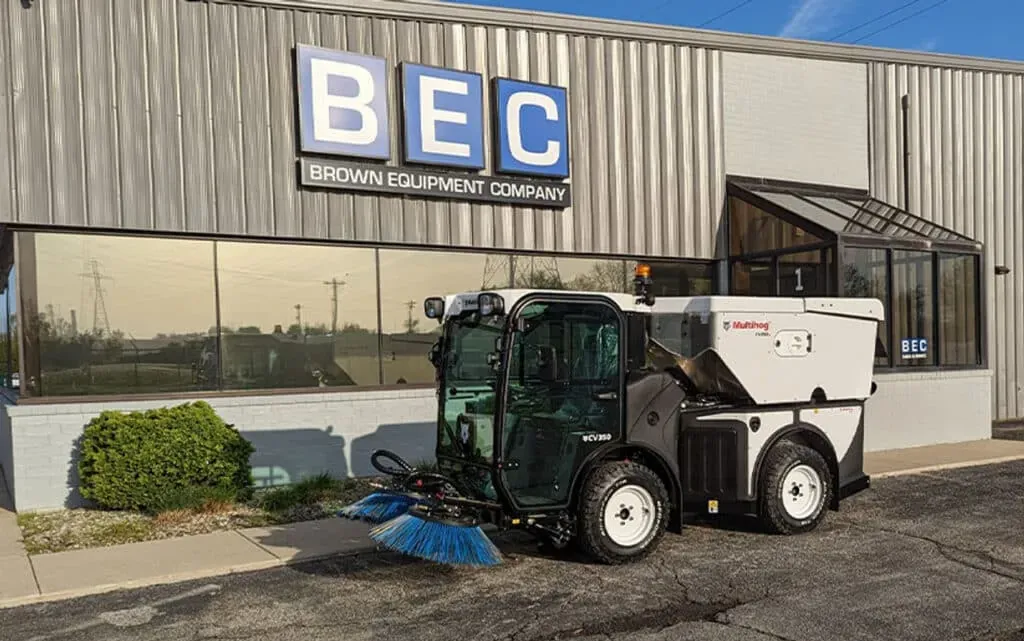
Street sweeper parked at BEC Equipment, showcasing urban cleaning technology.

Regenerative air sweepers run a closed-loop air system that lifts debris, filters it, and recirculates the air to keep cleaning. The closed loop minimizes dust emissions and handles mixed debris well, which makes these units the versatile middle ground between mechanical and vacuum machines.

How Regenerative Air Sweepers Operate

A blast of air from one side of the sweeper head loosens debris from the pavement, which is vacuumed up through a hood on the other side. The air is filtered to remove debris, then recirculated in a continuous cycle. That self-contained loop is what keeps dust emissions low.

Advantages of Regenerative Air Sweepers

Their strengths are adaptability and lower environmental impact:

  • Adaptable cleaning: Handles both small particles and moderate-sized debris.
  • Reduced dust emissions: Recirculated air helps meet air quality requirements.
  • Lower noise levels: Quieter operation suits residential neighborhoods and shared public spaces.

Considerations for Regenerative Air Sweepers

They may be less effective on extremely heavy debris and, like other advanced systems, require consistent maintenance. For many operators, the efficiency and environmental benefits justify that upkeep.

Best Use Cases for Regenerative Air Sweepers

These sweepers are popular where dust control, moderate debris volume, and reduced noise all matter, such as suburban streets, parks, and mixed commercial areas.

Mechanical vs. Vacuum vs. Regenerative Air: Side-by-Side Comparison

The three technologies trade off debris capacity, dust control, noise, and maintenance. This comparison summarizes where each one fits:

MechanicalVacuumRegenerative Air
Primary useHeavy, bulky debrisFine dust, small particlesMixed debris
Dust controlLowExcellentVery good
Noise levelHighModerateLow to moderate
MaintenanceSimpler; frequent broom replacementMore complex (fans, filters)Complex (air system, seals)
Ideal environmentIndustrial sites, construction zonesUrban centers, airports, high-dust areasSuburban streets, parks, commercial lots
Key advantageDurability and powerSuperior air qualityEfficiency and versatility

Navigating Environmental Regulations: PM10, PM2.5, and Stormwater Rules

Sweeper choice is a compliance decision as much as a cleaning one, because air and water quality rules set hard limits on what your operation can release. The right equipment is the first line of defense against fines and health risks.

Two regulatory areas drive most sweeper decisions:

  • Air quality (PM10 and PM2.5): The U.S. Environmental Protection Agency regulates airborne particulate matter because fine particles can be inhaled and cause serious health issues. Mechanical sweepers are less effective at capturing them, while vacuum and regenerative air machines are built to trap fugitive dust before it becomes a hazard.
  • Stormwater pollution prevention: Road surfaces collect heavy metals, hydrocarbons, and trash that rain washes into storm drains. Effective sweeping is a cornerstone of any Stormwater Pollution Prevention Plan, helping meet Clean Water Act requirements by capturing pollutants at the source.

For a closer look at how sweeping supports water quality compliance, see our guide to street sweeping and stormwater management. Investing in a compliant sweeper protects the environment, public health, and your organization from potential penalties.

Key Decision Factors When Selecting a Street Sweeper

Selecting the right sweeper means matching the machine to your debris, your routes, and your compliance obligations. Work through these factors before committing to a technology or a specific unit.

Key factors for selecting the right street sweeper equipment.
Essential factors for selecting the best sweeper machine for your needs.

Type and Volume of Debris

The material you collect is the primary driver of the decision, and a mismatch leads to inefficiency and rework:

  • Heavy vs. fine debris: Gravel and construction byproducts demand a mechanical sweeper; fine dust and sand require the suction of a vacuum or regenerative air unit.
  • Debris volume: Larger hopper capacity reduces trips to the dump site, saving time, labor, and fuel on high-volume routes.

Cleaning Surface and Operating Environment

The environment dictates the right machine design, since a highway sweeper differs from one suited to a tight cul-de-sac:

  • Surface condition: Most sweepers perform well on smooth asphalt, but rough, uneven, or permeable pavement can limit certain models.
  • Maneuverability: A nimble three-wheel machine fits congested urban areas; a stable four-wheel chassis performs better on long, straight routes like highways and runways.

Environmental and Regulatory Requirements

Compliance with air and water rules directly narrows the field:

  • Airborne particle control: Strict air quality standards often mandate vacuum or regenerative air sweepers to control PM10 and PM2.5 dust.
  • Stormwater contamination: Effective sweeping is a key part of capturing pollutants before they reach local waterways.

Maintenance, Service, and Parts Availability

Long-term reliability depends on how easily a machine is serviced and how quickly parts and support are available. Mechanical sweepers have simpler systems but need frequent broom replacement, while vacuum and regenerative models carry more complex fan and filtration systems that demand specialized maintenance. Building a consistent street sweeper maintenance routine protects whichever type you choose. Confirm that routine service points are accessible and that a reliable supply of OEM parts and expert maintenance and repair support are within reach before you buy.

Noise Sensitivity

Operating noise determines when and where you can run a sweeper. Mechanical units are typically the loudest because of their brooms and conveyors, while vacuum and regenerative air models run quieter, making them essential near residential areas, hospitals, or during noise-restricted hours.

Budget and Total Cost of Ownership

Look past the sticker price to total cost of ownership, where the real long-term investment lives:

  • Operating costs: Account for ongoing fuel, water, and common wear items.
  • Maintenance and parts: Factor in the cost and frequency of replacing brooms and filters.
  • Downtime and labor: Reliability and ease of service shape labor costs and productivity, and local service speed can be the difference between hours and days of downtime.

Frequency of Use and Seasonal Needs

Your schedule shapes the durability and features you need:

  • Year-round operations: Daily use calls for durable, robustly built machines that withstand constant operation. If you are replacing an aging unit, the signs it is time for a street sweeper upgrade can help confirm the timing.
  • Seasonal demands: Targeted needs like fall leaf collection or spring cleanup may justify specialized features or cost-effective rental options for infrequent but intense work.

Why Operator Training Affects Sweeper Performance

The most advanced sweeper is only as effective as the person operating it, so operator training pays back in performance, equipment longevity, and safety. A well-trained operator knows how to adjust broom speed, angle, and water usage for a one-pass clean, how to avoid excessive down-pressure that wears components prematurely, and how to navigate traffic and run daily pre-operation safety checks.

For programs formalizing this, our guide to street sweeper operator training goes deeper on building operator competency.

Future Trends in Street Sweeper Technology

Street sweeping technology is evolving toward greater efficiency and sustainability. Emerging trends include automation, smart monitoring, and the integration of GPS and sensor technology, which enable real-time performance tracking, route optimization, and data-driven maintenance scheduling that reduces fuel use and equipment wear.

Environmental pressure is also driving adoption of electric-powered and alternative-fuel sweepers that lower emissions and meet tightening regulations. The EPA recommends replacing older sweepers with newer, more advanced models that maximize pollutant removal, so staying current on equipment helps municipalities and contractors keep pace with both compliance and operating-cost pressures.

How Brown Equipment Company Supports Your Sweeper Decision

Choosing the right sweeper can be complex, and the Brown Equipment Company team helps simplify it with consultative support across the full equipment lifecycle. Rather than pushing one option, our equipment consultants assess your debris types, usage patterns, and budget to recommend a fit, then back it with maintenance, repairs, custom builds and fabrication, and operator training so the machine keeps performing long after delivery.

That includes new, used, and rental options, plus free on-site demonstrations so you can evaluate equipment in your own conditions before committing. Ongoing access to comprehensive service and support is what keeps a sweeper productive over its full working life.

See how a vacuum-style street sweeper performs in the field with this walkaround of the Global M3, built in the USA for demanding sweeping conditions.

Frequently Asked Questions About Street Sweepers

How often should streets be swept?

Frequency depends on the area and debris load. High-traffic urban commercial districts may need daily sweeping, residential streets are often swept weekly or monthly, and industrial sites with heavy debris may require sweeping after each shift.

Can street sweepers be used in the rain?

Yes, but with limits. Light rain can actually help with dust control, while heavy rain makes debris harder to pick up and can wash pollutants into storm drains before the sweeper captures them. Sweeping during a downpour is generally less effective.

What is the difference between PM10 and PM2.5 dust?

Both are inhalable particulate matter. PM10 includes particles 10 micrometers or smaller, which reach the throat and nasal passages, while PM2.5 particles are 2.5 micrometers or smaller and more dangerous because they travel deep into the lungs and can enter the bloodstream. Vacuum and regenerative air sweepers are most effective at capturing these fine particles.

Is it better to rent or buy a street sweeper?

It depends on your usage. Buying makes sense for consistent, year-round sweeping, while renting fits short-term projects, seasonal needs like spring cleanup or fall leaf collection, or testing a specific model before committing to a purchase.

Which street sweeper type is best for fine dust control?

Vacuum sweepers offer the strongest fine-dust control, with regenerative air units a close second. The EPA notes that both are more efficient than mechanical brooms at capturing fine particles, while mechanical brooms are the least effective on fine dust and can release some of it back into the air.

Choosing the Right Street Sweeper for Your Operation

The best street sweeper is the one matched to your debris, your routes, and your compliance requirements, whether that is the heavy-duty power of a mechanical unit, the dust control of a vacuum, or the versatility of regenerative air. Weighing debris type, environment, maintenance, noise, and total cost of ownership leads to equipment that performs for years rather than one that fights your conditions.

Have questions about which street sweeper fits your operation? Contact the Brown Equipment Company team to discuss your needs and schedule a free on-site demonstration.

The information provided in this blog is for general purposes only and should not be considered as maintenance or technical advice. Always consult your service provider or equipment manufacturer for specific maintenance guidelines. Brown Equipment Company is not responsible for any errors or omissions. For equipment recommendations, contact one of our consultants.