Potholes are a persistent and costly challenge for municipalities and contractors tasked with keeping roadways safe and functional. Fluctuating temperatures, heavy traffic, and environmental factors create cracks in asphalt that quickly develop into hazardous potholes if untreated. Poor repair practices lead to recurring fixes, added costs, and increased safety risks. To break this cycle, it is essential to use proven roadway maintenance techniques, thorough preparation, and strict quality control. This guide provides a step-by-step roadmap for addressing potholes effectively—covering everything from why some repairs fail to selecting the right patching method and executing each stage with precision. By following these practices, repair teams can reduce repeat work, manage budgets, and improve roadway safety.
Why Pothole Repairs Fail (and What Makes Them Successful)
Many pothole patching repairs fail because they are rushed or ignore underlying issues. Common causes include:
Common Causes of Failures
- Water infiltration: Moisture seeps between the new patch and existing pavement, leading to freeze-thaw damage and separation of layers.
- Unstable subbase: A weak or saturated subbase causes settlement and cracking in the patch.
- Freeze-thaw cycles: Repeated freezing and thawing can force materials apart as water expands in cracks.
- Traffic stress: Heavy vehicles or high speeds can damage poorly compacted patches, leading to early dislodgement.
Key Characteristics of Successful Repairs
- Strong bonding: Clean, well-prepared surfaces and a proper tack coat promote excellent adhesion.
- Thorough compaction: Proper compaction eliminates air voids and creates a dense patch.
- Defined edges: Neat, vertical edges support the patch to help reduce early deterioration.
- Effective drainage: Redirecting water away helps protect the repair.
Successful repairs address deeper causes rather than merely covering up symptoms. Attention to each step—from preparation to compaction—results in a more resilient patch that withstands both environmental and traffic-related stresses.
Choosing the Right Repair Method (Quick Decision Guide)
Not every pothole can be fixed with the same approach. Selection depends on pothole depth, base condition, and traffic demands.
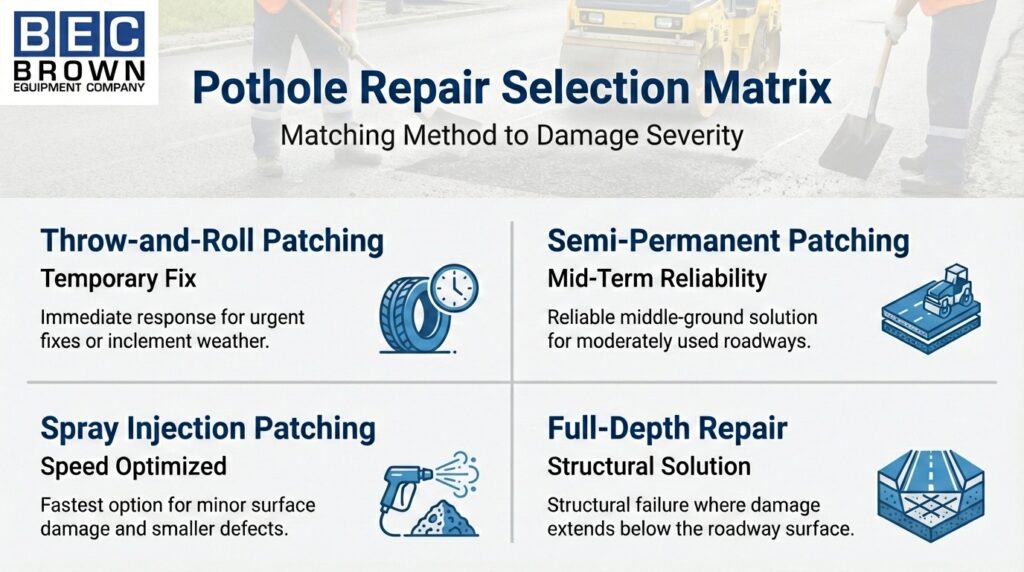
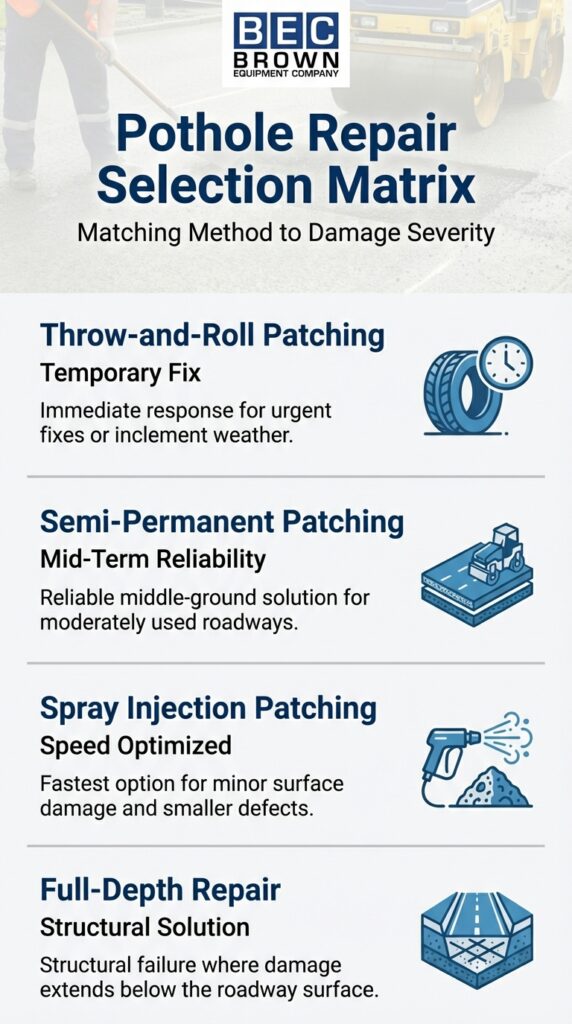
Throw-and-Roll Patching
- When to Use: Ideal for emergency or temporary fixes, especially in adverse weather conditions.
- Method: Cold mix asphalt is placed into the pothole and compacted by vehicle tires. Falcon RME explains how cold mix can be effective in low temperatures.
- Pros: Fast and straightforward.
- Cons: Limited durability if not properly installed or maintained.
Semi-Permanent Patching
- When to Use: Appropriate for moderately trafficked roads requiring a reliable mid-term fix.
- Method: Clean the pothole thoroughly, apply a tack coat, place patch material in layers, and compact each layer.
- Pros: Balances cost, performance, and ease of application.
- Cons: Dependent on the stability of the underlying base for best outcomes.
Spray Injection Patching
- When to Use: Ideal for rapid repairs on shallow potholes in low- to medium-traffic areas.
- Method: Compressed air cleans the pothole before injecting an emulsion mix. Specialized equipment is required.
- Pros: Fast repair with minimal traffic disruption.
- Cons: Not suited for deeper potholes and may require experienced operators.
Full-Depth Repair
- When to Use: For potholes with substantial structural damage beneath the surface.
- Method: Excavate the damaged area, rebuild the subbase, and apply new asphalt in multiple lifts.
- Pros: Addresses the root causes, improving repair longevity.
- Cons: Typically more costly and time-intensive, requiring heavier machinery.
By matching the repair method to each situation, agencies can reduce callbacks, prolong the life of the patch, and optimize resources.
Pre-Repair Checklist
Thorough preparation is the cornerstone of a durable repair.
Prioritize High-Risk Areas
Focus on locations with high traffic and moisture exposure, such as intersections, utility cuts, and wheel paths. Tackling these areas first can mitigate the risk of more significant roadway damage.
Assess Weather and Temperature
- Warm, dry weather is best for hot mix asphalt applications.
- Remove standing water or excess moisture. If necessary, use cold mix asphalt suitable for damper or colder environments.
Scheduling repairs when conditions favor the chosen repair method helps ensure the patch can properly set and cure.
Assemble Equipment and Materials
Gather all necessary tools for cutting, cleaning, compacting, and laying materials. Using high-quality patch materials suited to your chosen method will increase patch lifespan and minimize delays.
Implement Safety Measures
Establish a work zone with cones, barricades, and clear signage, while ensuring all crew members wear high-visibility PPE. A robust safety plan lowers accident risks and potential project setbacks.
Step-by-Step SOP: Essentials for Long-Lasting Patches
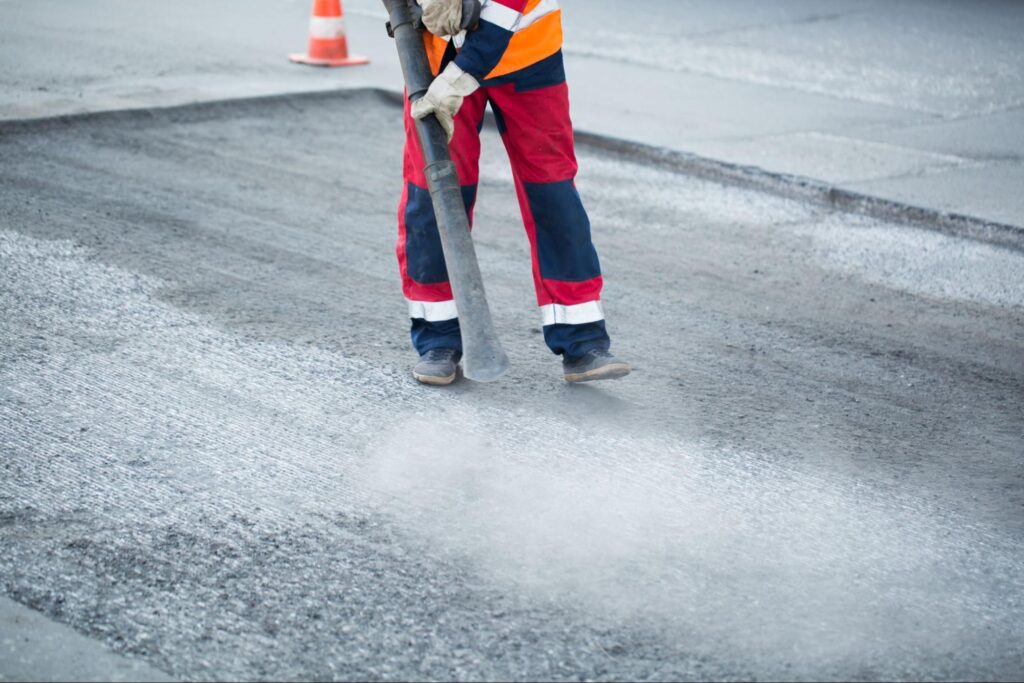
Step 1: Cut Neat Edges and Remove Damaged Material
Cut clean, rectangular or square edges using a saw or milling machine. Remove loose or crumbling asphalt to create a stable surface where new patch material can bond securely.
Step 2: Clean and Dry the Pothole
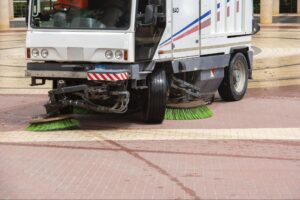
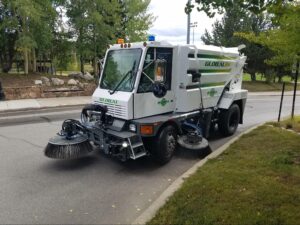
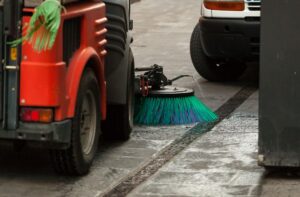
Remove dust, debris, and moisture with blowers or mechanical brooms. Use heaters or propane torches for drying if needed. Residual moisture can compromise bonding and lead to premature failure.
Step 3: Apply a Tack Coat or Bonding Agent
Coat the edges and bottom of the pothole with a tack coat, following manufacturer guidelines. This adhesive layer ensures a tight bond and prevents water infiltration.
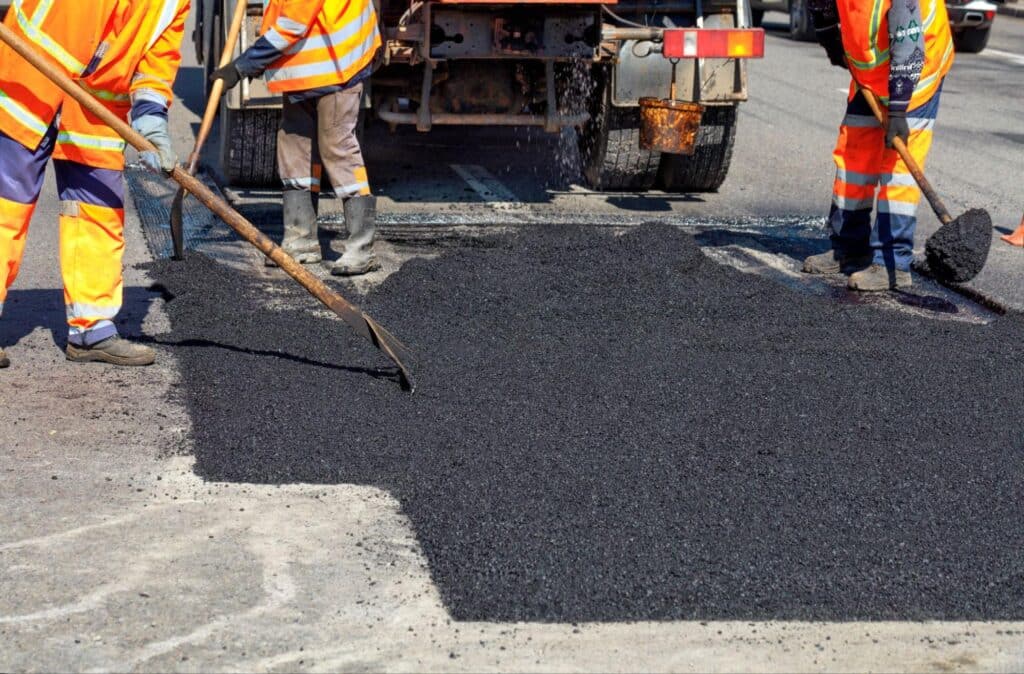
Step 4: Place Patch Material in Layers
- Hot Mix Asphalt: Deposit in 2–3 inch lifts, slightly overfilling each layer to accommodate compaction.
- Cold Mix Asphalt: Follow product guidelines for maximum effectiveness in cooler or damp conditions.
Avoid overly thick layers, which prevent proper compaction and can lead to internal voids.
Step 5: Compact Thoroughly
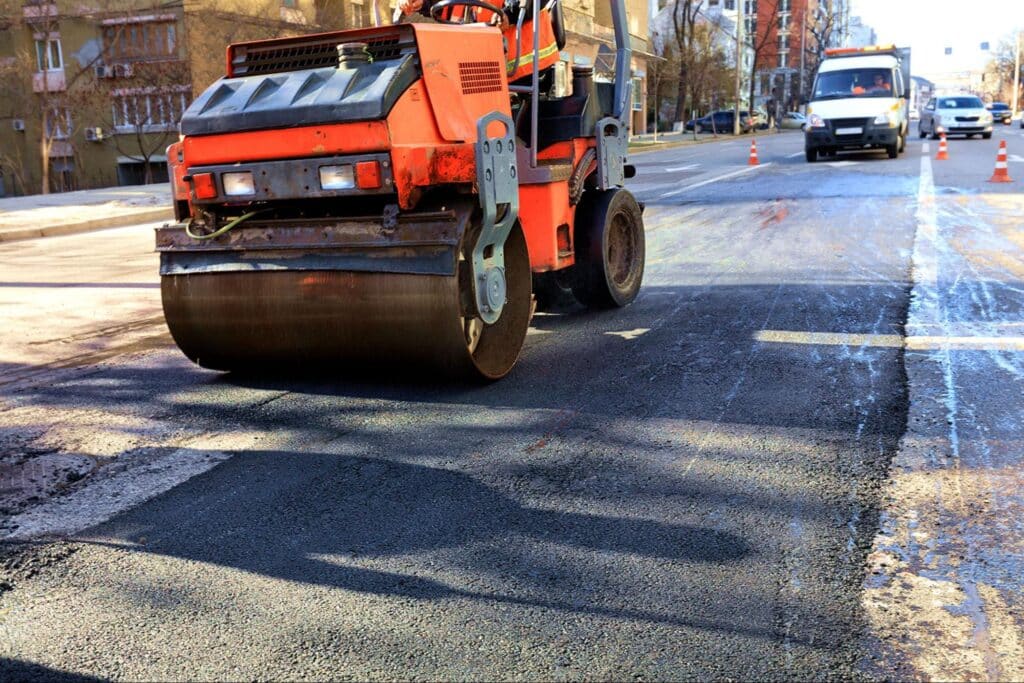
Use vibratory plate compactors for smaller patches and steel-wheel rollers for larger areas. Multiple passes are essential for eliminating air pockets and achieving sufficient density. A denser repair is more resistant to freeze-thaw cycles and heavy traffic.
Step 6: Seal the Edges and Reopen to Traffic
Apply a thin layer of sealant or asphalt emulsion around the patch edges to protect against water intrusion. Allow the repair to cool or cure completely before reopening to traffic. Monitor the area to catch any early signs of failure, such as uneven surfaces or water pooling.
Factors Influencing Repair Durability
Even a well-executed patch can fail prematurely if other risks are not addressed.
Material Quality
Invest in high-grade asphalt mixtures and bonding agents that offer better adhesion. Review Brown Equipment Company’s suggestions on asphalt pothole patching equipment to ensure reliable material application.
Traffic Load
High volumes of heavy vehicles place continual stress on patches. Consider using more robust repair methods or specialty asphalt for areas exposed to frequent truck or bus traffic.
Seasonal Challenges
Regions with significant freeze-thaw cycles often need tailored repair materials to handle temperature swings. Choose products designed for the local climate to maximize patch longevity.
Drainage and Subbase Stability
A stable subbase and efficient drainage mitigate water infiltration and settlement. If water routinely gathers in a single spot, improving roadway grading or stabilizing the subbase can extend the life of any patch placed there.
Best Practices for Specific Scenarios
Winter Emergency Repairs
- Remove water, ice, and debris as thoroughly as possible.
- Use specialty cold mix asphalt formulated for subzero conditions.
- Schedule a follow-up fix in warmer months to strengthen the initial repair.
High-Volume Spring Repairs
- Secure a steady supply of hot mix asphalt.
- Assign clear responsibilities to ensure efficient workflows.
- Inspect each completed repair to refine processes for subsequent projects.
Utility Cuts and Trench Repairs
- Compact each backfill layer carefully to avoid settlement.
- Square, vertical edges help ensure a snug fit for the new material.
- Address subbase issues before placing the patch if possible.
High-Traffic Routes vs. Neighborhood Streets
- High-Traffic Routes: Use full-depth repairs and more intensive compaction measures to support heavier loads.
- Neighborhood Streets: Semi-permanent or spray-injection methods may provide a cost-effective option, preserving local roads without incurring excessive expenses.
Additional Considerations for Effective Pothole Patching and Maintenance
Optimizing the pothole repair process involves more than just quick fixes. Municipalities and contractors who take a holistic view of their infrastructure needs can see broader benefits. Here are a few added elements to consider:
- Crew Training and Skill Development: Skilled workers are essential for achieving superior patch quality. Comprehensive training programs not only help staff understand each step in the repair process, but also equip them to make on-the-spot decisions. By refining crew skills through regular workshops and hands-on demonstrations, supervisors can establish consistent standards that minimize errors.
- Integrated Maintenance Schedules: Coordinating pothole patching with other essential tasks, such as crack sealing or drain clearing, maximizes resources and reduces roadway downtime. Alignment across different maintenance operations ensures that crews address issues in a strategic sequence, enhancing overall pavement performance and reducing repetitive schedules.
- Budgeting and Cost Management: A structured budgeting strategy allows agencies to prioritize repairs effectively. Planning ahead for material expenses, labor costs, and potential emergencies leads to more predictable spending. Long-term costs generally decrease when municipalities invest in quality materials and proactive measures rather than repeated emergency fixes.
- Environmental Awareness and Sustainability: Adapting to eco-friendly materials and methods can reduce the environmental footprint of road repairs. Some municipalities now incorporate recycled asphalt products—particularly for temporary fixes and low-traffic areas. Evolving sustainability practices can offer cost savings through reduced material waste and lessen negative impacts on local ecosystems.
- Prompt Assessment after Extreme Weather: Heavy rainfall, blizzards, or rapid freeze-thaw cycles can weaken new patches. Frequent inspections right after severe weather events prevent small defects from escalating. Early interventions post-storm mitigate more extensive damage and save further maintenance expenditure.
By giving proper attention to these points, municipalities forge a more resilient and cohesive roadway maintenance program, ensuring that each pothole repair contributes to extended pavement life. A thorough approach that incorporates training, scheduling, budgeting, sustainability, and post-event checks yields more durable, efficient solutions.
Quality Control Checklist for Supervisors
On-Site Checks
- Confirm the pothole is completely cleaned and dried.
- Ensure the tack coat is applied evenly and allowed to cure as recommended.
- Verify that the patch material is layered correctly with adequate compaction in each lift.
- Confirm that sealants along the patch edges are correctly applied to prevent moisture infiltration.
Post-Repair Evaluation
Within a few days, evaluate the patch for any signs of rutting or edge breakdown. Check that it lies flush with the surrounding pavement and that drainage is sufficient.
Documentation
Record details like the repair date, materials used, weather conditions, and follow-up inspections. This information helps improve long-term maintenance planning and supports continuous improvement strategies.
Don’t Patch Alone—Extend Results with Pavement Preservation
Effective pothole repairs should be part of a broader pavement preservation strategy that addresses problems before they worsen.
- Strengthen your routine maintenance plan with pavement preservation activities to delay severe roadway deterioration.
- Crack sealing helps keep water from infiltrating base layers that contribute to structural damage.
- Overlays and seal coats protect existing pavements and slow the formation of new potholes.
Equipment and Support
The right tools and reliable support are integral to executing high-quality, durable repairs. Heating solutions, compaction tools, and cleaning equipment facilitate consistent results. Meanwhile, traffic control gear—cones, barricades, and high-visibility PPE—safeguards workers and motorists.
Consistent equipment maintenance and calibration are critical to delivering uniform, lasting repairs. Brown Equipment Company offers guidance and solutions for municipalities and contractors seeking dependable approaches without compromising on efficiency.
FAQ: Powerful Pothole Patching Techniques for Lasting Repairs
What is the most effective method for pothole patching?
The most effective method depends on pothole depth, base condition, traffic volume, and weather. Full-depth repair is typically the longest-lasting option when there’s structural damage or an unstable subbase. If the base is sound, semi-permanent patching (cleaning, tack coat, placing material in lifts, and thorough compaction) often delivers excellent durability without the cost of full reconstruction.
What causes pothole patches to fail so quickly?
Most early failures come from water infiltration, poor hole preparation (dust/debris left behind), moisture left in the hole, skipping tack coat, or insufficient compaction. Patches also fail when the subbase is weak or saturated, because the repair settles and cracks under traffic—especially during freeze-thaw cycles.
Do you need a tack coat or bonding agent for pothole repairs?
In most cases, yes. A tack coat or bonding agent helps the new material adhere to the existing pavement, strengthens the joint, and reduces pathways for water to enter around the edges. This step is especially important for semi-permanent and full-depth repairs, where long-term performance depends on a strong bond.
Can potholes be repaired in winter or freezing temperatures?
Yes, but winter repairs are often temporary unless crews can fully manage moisture and temperature. For emergency conditions, use cold mix asphalt designed for low temperatures, remove water/ice and debris as thoroughly as possible, and compact carefully. When temperatures rise, schedule a follow-up semi-permanent or full-depth repair for longer service life.
What is the difference between throw-and-roll and semi-permanent pothole patching?
Throw-and-roll is a fast method where cold mix is placed and compacted by vehicle tires; it’s best for quick, short-term repairs or poor weather conditions. Semi-permanent patching is more durable because crews square up edges, remove loose material, clean and dry the hole, apply tack coat, place material in lifts, and compact thoroughly—resulting in a denser patch with better bonding and longer life.
When does a pothole need full-depth repair instead of a surface patch?
Full-depth repair is usually needed when the damage extends below the asphalt surface—such as a soft or pumping base, repeated failures in the same location, noticeable settlement, or severe surrounding cracking that indicates structural weakness. In these cases, simply patching the surface won’t last; the repair must excavate and rebuild the failed layers to address the root cause.
Building Long-Lasting Roads with Systematic Pothole Patching Techniques
Durable pothole patching relies on a systematic approach extending beyond quick fixes. Roadway teams must address core causes, select the most suitable repair method, and enforce rigorous cleaning, compaction, and bonding steps. Ongoing troubleshooting and awareness of evolving technologies will further refine these practices. Coupled with a broader strategy of thorough crack sealing, overlays, and preservation efforts, longer-lasting roads become an attainable goal.
For municipalities and contractors looking to streamline roadway maintenance, boost productivity, and reduce repeated fixes, consider partnering with Brown Equipment Company – a trusted provider of solutions, training, and support. Contact us today to learn more about our comprehensive offerings.