A street sweeper is more than just a machine; it’s a critical asset for public safety, environmental health, and operational efficiency. But its effectiveness hinges entirely on one thing: a consistent and proactive maintenance program. This guide provides the essential strategies and checklists to ensure your equipment operates at peak performance, protecting your investment and your community.
The Critical Benefits of a Proactive Maintenance Plan
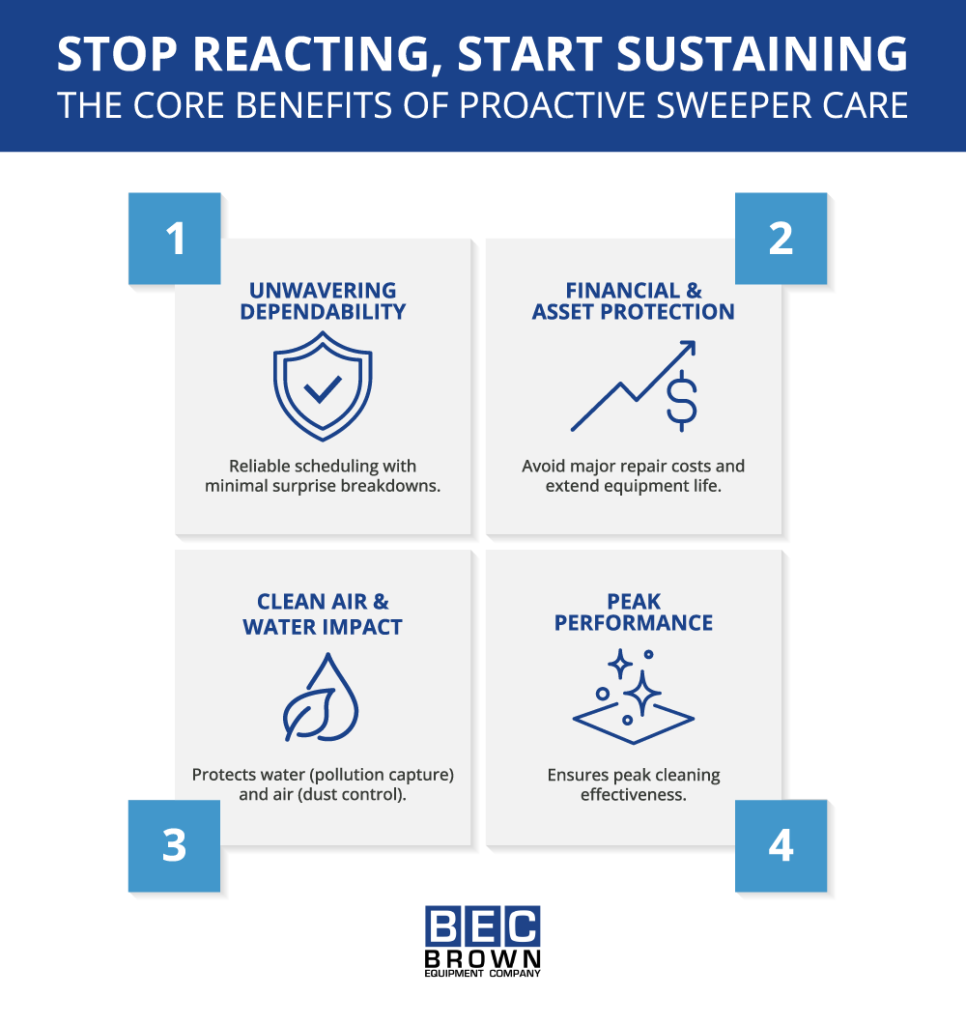
A well-structured maintenance program delivers returns that go far beyond simply preventing breakdowns. It is a cornerstone of a successful operation, providing four key benefits:
1. Maximizes Operational Reliability
Consistent upkeep is the best defense against unexpected downtime. A reliable sweeper ensures that municipal and contractual obligations are met on schedule, day after day. It guarantees consistent cleaning performance, preventing the gradual decline in effectiveness that plagues neglected machines.
2. Delivers Significant Financial Savings
Proactive maintenance is an investment, not an expense. It prevents minor issues from escalating into major, costly repairs. By extending the service life of your equipment and reducing the need for emergency service calls, a structured maintenance plan protects your asset and lowers the total cost of ownership.
3. Ensures Environmental Stewardship and Compliance
A properly maintained sweeper is a powerful tool for environmental protection.
- Protects Water Quality: By effectively capturing pollutants like heavy metals, oil, and litter, it prevents them from contaminating stormwater runoff.
- Improves Air Quality: A functional dust suppression system minimizes harmful airborne particulates (PM2.5/PM10), while an efficiently running engine reduces fuel consumption and exhaust emissions.
4. Enhances Safety for Operators and the Public
A poorly maintained machine is a safety hazard. Worn brakes, failing hydraulic systems, or malfunctioning warning lights can lead to serious accidents. Regular inspections and maintenance are crucial for ensuring the safety of both the machine operator and the public.
Key Components to Maintain
To keep your street sweeper operating at peak performance, focus on the following critical components:
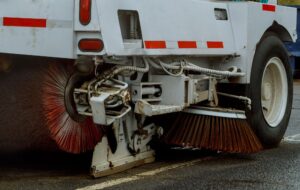
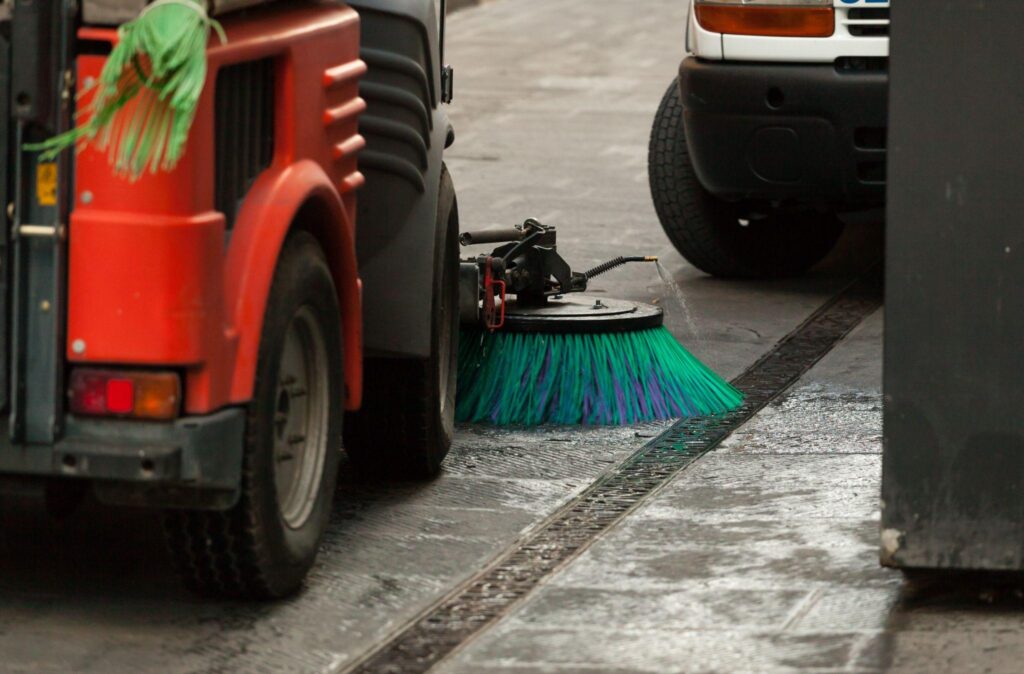
- Brushes and Elevator (Dirt Shoes/Flaps & Deflectors): These components do the heavy lifting in debris collection. Regularly inspect and adjust them to ensure even wear and optimal contact with the road.
- Vacuum and Blower Systems: Essential for effective debris pickup, these systems must be checked for blockages, leaks, or worn seals that could reduce suction.
- Hydraulic Systems and Hoses: Integral to powering various functions. Inspect hoses and seals for signs of wear or leaks, and replace them as needed.
- Hoppers and Debris Compartments: A clean, intact hopper ensures proper airflow and efficient debris removal; inspect for buildup and structural damage.
- Tires and Chassis: Proper tire inflation and chassis integrity are necessary for safe operation. Regularly check tires for wear and ensure the chassis is free from rust or structural damage.
Focusing on these components during regular maintenance helps minimize downtime and keeps your street sweeper operating reliably.
Proactive Maintenance Strategies for Peak Performance
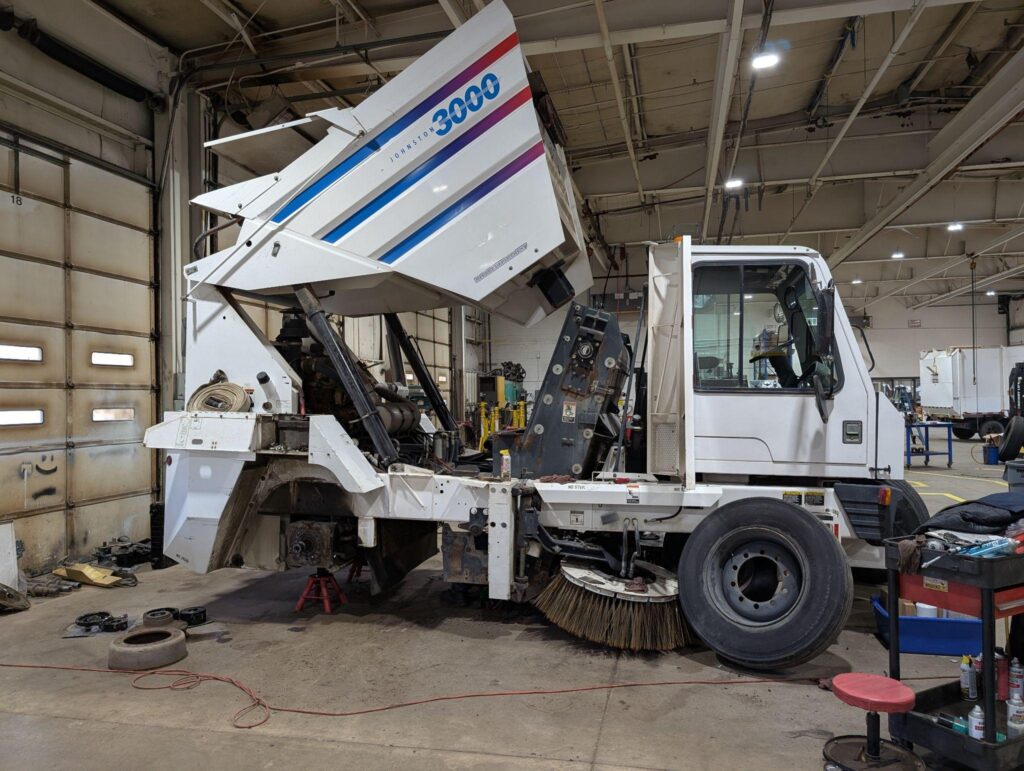
To maximize your street sweeper’s lifespan and ensure consistent, effective performance, a proactive maintenance strategy is crucial. This approach moves beyond simple repairs and focuses on preventing unexpected failures through a combination of daily diligence and long-term planning.
Essential Daily and Weekly Practices
A consistent routine is the foundation of reliable equipment. Integrating these tasks into your daily and weekly schedule will catch minor issues before they become major problems.
- Daily Pre-Operation Walkaround: Before each shift, conduct a thorough visual inspection. Look for fluid leaks on the ground, damaged or frayed hydraulic hoses, and obvious wear on brushes and brooms. A quick check can prevent on-route failures and costly fluid spills.
- Daily Fluid Level Checks: Verify that hydraulic fluid, engine oil, and coolant are at their operational levels. Operating with low fluids puts immense stress on the engine and hydraulic systems, leading to premature wear and overheating.
- Daily Debris Clearing: At the end of each use, empty the hopper completely and clear any compacted debris from screens, filters, and seals. Residue buildup can obstruct airflow, reduce suction power, and cause unnecessary strain on the vacuum system.
- Weekly Lubrication and Detailed Inspections: Lubricate all grease points and moving parts, including bearings and pivot points, to prevent friction and wear. Use this time for a more detailed inspection of filters (air, hydraulic, fuel) and seals, replacing any that show signs of degradation. Check and tighten any fasteners or bolts that may have loosened from vibration.
A meticulously kept maintenance log is invaluable. Documenting these checks helps identify recurring problems, track wear patterns on components like brushes, and provides a clear service history, which is essential for warranty claims and increasing the equipment’s resale value.
Long-Term Preventative Measures
Preventative maintenance is about strategically servicing your equipment to avoid future breakdowns.
- Adhere to the Manufacturer’s Service Schedule: Your equipment’s manual provides a detailed schedule for critical tasks like fluid replacement, filter changes, and deep inspections. Following these intervals is the single most effective way to ensure longevity and reliability.
- Invest in Quality Replacement Parts: While generic parts may be cheaper upfront, OEM (Original Equipment Manufacturer) or high-quality equivalent parts offer better durability, a precise fit, and greater reliability. This reduces the risk of component failure and associated downtime. Partnering with a trusted dealer like Brown Equipment Company ensures you get the right certified parts for your specific models, guaranteeing a perfect fit and optimal performance.
- Implement Comprehensive Operator Training: A well-trained operator is your first line of defense against equipment wear. Training should cover not just operation, but also how to conduct proper pre-operation checks and understand the machine’s limits. For specialized guidance, the service experts at Brown Equipment Company can provide hands-on training to ensure your crew operates equipment safely and efficiently.
- Adapt with Seasonal Adjustments: Environmental conditions directly impact your sweeper.
- Winter: Focus on thoroughly cleaning away corrosive salt and de-icing agents. Use lubricants rated for lower temperatures and ensure block heaters are functional.
- Summer: Pay close attention to the cooling system. Keep radiators clean and free of debris to prevent overheating during long operational hours in high temperatures.
- Fall: Be prepared for heavy leaf volume, which can clog systems. Ensure your vacuum and blower systems are in top condition to handle wet, heavy debris.
Comprehensive Street Sweeper Maintenance Checklist
A structured checklist is invaluable for ensuring that no critical maintenance tasks are overlooked. The following checklist is divided into pre-operation and post-operation tasks to cover both immediate and residual maintenance needs.
Pre-Operation Checklist
- Visual Inspection: Check for fluid leaks, damaged hoses, and worn brushes.
- Tire Check: Verify tire pressure and inspect for any visible damage.
- Operational Signals: Test all lights and signals to ensure safety.
- Hopper Condition: Inspect the hopper for cracks, debris buildup, or seal issues.
- Moving Parts: Examine belts, brushes, and elevator components (including dirt shoes or flaps and deflectors) for signs of wear or misalignment.
Post-Operation Checklist
- Clear Debris: Thoroughly empty the hopper and remove any leftover debris.
- Clean Components: Wipe down brushes, nozzles, and vacuum ports to eliminate dust and dirt.
- Inspect for Damage: Look for unusual signs such as frayed brushes or dents, and note any issues for follow-up maintenance.
- Record Observations: Document any operational irregularities or maintenance needs in the log to monitor recurring issues.
Sticking to this checklist ensures that your street sweeper is always in optimal condition before and after use, reducing the likelihood of unexpected failures.
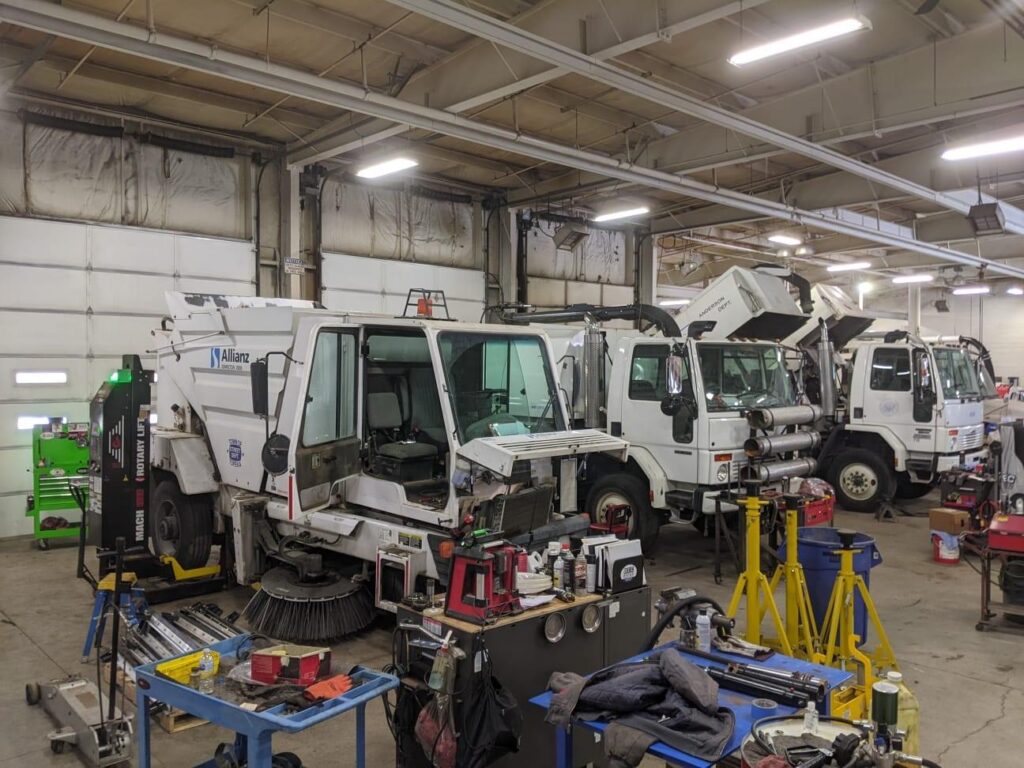
Ensuring Longevity and Performance Through Regular Maintenance
Regular maintenance is essential for keeping your street sweeper operating safely, efficiently, and cost-effectively. By integrating routine inspections, preventative care, and a clear maintenance checklist, you can extend the lifespan of your equipment while minimizing downtime and repair costs. Staying proactive with daily checks, following manufacturer recommendations, and training operators on best practices will keep your fleet performing at its best.
But you don’t have to do it alone. The expert team at Brown Equipment Company is here to help at every stage. Contact us today for certified parts, expert service, or to schedule a free equipment demonstration.