Proactive vegetation management is one of the fastest ways for municipalities and utility teams to reduce outages, improve roadway safety, and prevent drainage and wildfire-related emergencies. Instead of relying on reactive “hot spot” trimming, a risk-based vegetation management plan helps you prioritize the highest-consequence corridors first—power lines, intersections and curves, culverts and ditches, and high-growth zones—while keeping budgets predictable.
This guide walks through a practical, field-ready process to define scope and responsibilities, build an inventory, classify risk, set crew service standards, select treatments and equipment, and track KPIs so your program improves year after year.
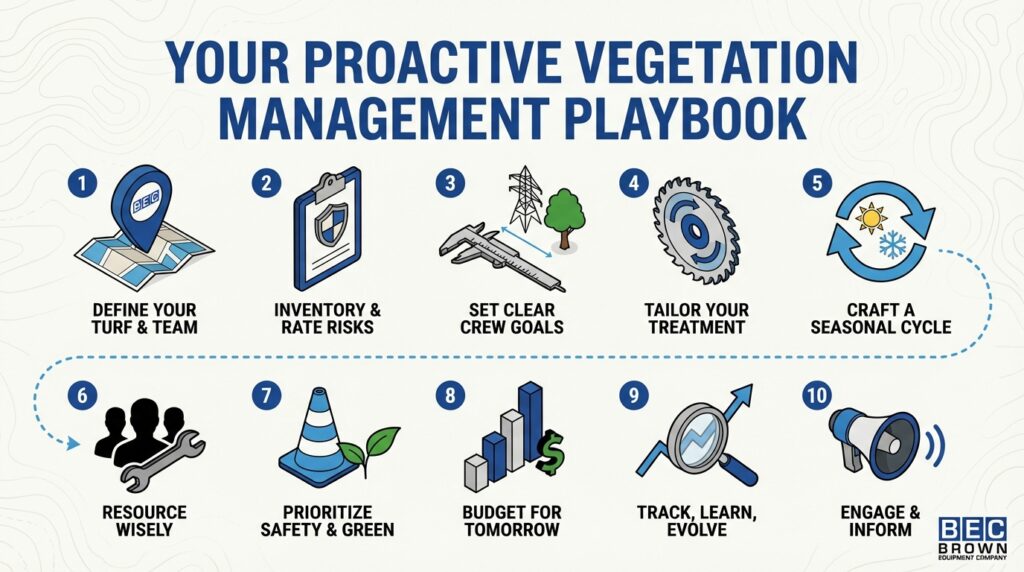
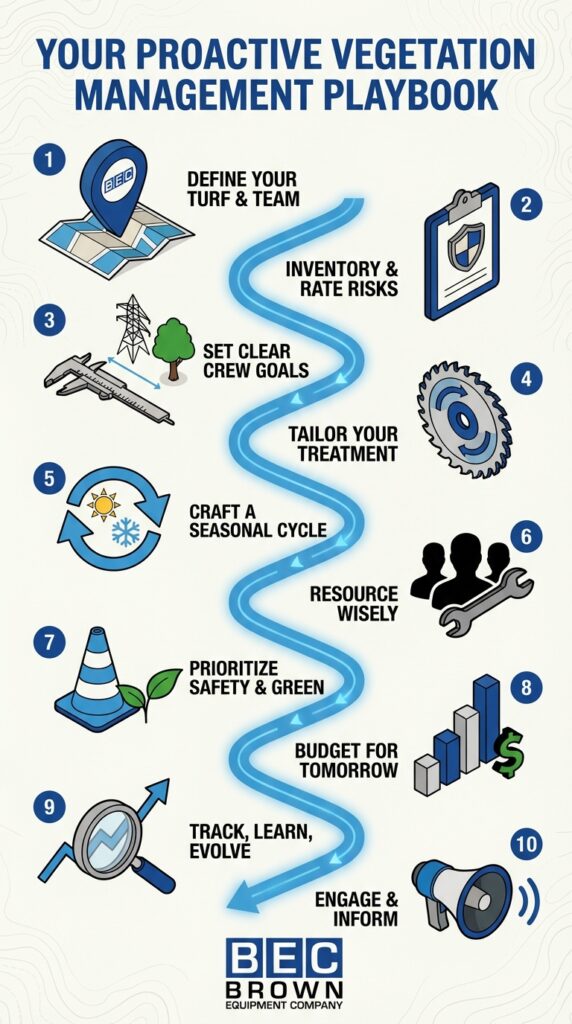
What is a Vegetation Management Plan (and What It Is Not)
A risk-based vegetation management approach is a strategic document that outlines how to routinely control and mitigate unwanted or hazardous vegetation. Unlike an ad-hoc schedule, the plan sets long-term objectives—improving safety, ensuring compliance, and controlling costs. It provides structured guidelines and performance metrics, distinguishing between routine maintenance and emergency responses.
Plan vs. Schedule vs. Work Orders
A plan establishes overall goals and strategies, while a schedule details when routine trimming occurs. Work orders convert high-level strategies into daily tasks for crews. Together, they create a system that continuously addresses risks and reallocates resources efficiently.
Key Outcomes for Stakeholders
A formal plan helps:
- Enhance safety for the public and workers.
- Improve infrastructure reliability by reducing outages.
- Ensure regulatory compliance.
- Control costs through preventive measures.
- Support environmental stewardship by managing invasive species and promoting proper drainage.
Step 1 — Define Scope, Assets, and Responsibility Boundaries
Start by clearly outlining where maintenance is needed and who is responsible.
Identify Work Areas
Map all zones including:
- Roadside corridors
- Drainage systems
- Utility easements
- Public parks
- Critical infrastructure (e.g., substations)
Using available maps and digital tools, document these areas for clear operational guidance.
Clarify Ownership
Determine responsibilities:
- Municipal authorities for roads and parks.
- Utility companies for vegetation near power lines.
- Private owners adjacent to public areas.
Document Constraints
Note any challenges:
- Environmental sensitivities near wetlands.
- Difficult terrain such as steep slopes.
- High-traffic areas requiring extra safety measures.
- Regulatory restrictions.
This clear delineation avoids overlaps and sets the foundation for a coordinated effort.
Step 2 — Build an Inventory and Classify Vegetation Risk
Collect and organize data to prioritize maintenance efforts.
Develop a Risk Classification System
Assign risk levels based on urgency:
- High Risk: Vegetation encroaching on power lines, obstructing sightlines, or posing wildfire risks.
- Medium Risk: Areas where unchecked growth could gradually impair services.
- Low Risk: Well-maintained areas needing minimal regular monitoring.
Identify Typical drivers
Recognize the most common reasons vegetation becomes a priority:
- Line clearance: Vegetation encroaching on overhead utilities and service lines.
- Sight distance: Brush or tree limbs blocking visibility at intersections, curves, signs, and driveways.
- Invasive species: Fast-spreading plants that increase maintenance frequency and disrupt native growth.
- Drainage blockage: Overgrowth restricting ditches, culverts, and inlets, leading to standing water or flooding.
Gather Data
Use multiple sources:
- Field inspections by trained crews.
- Community reports of overgrowth.
- Historical data on past incidents.
- GIS mapping and weather patterns.
Compile this information into a centralized inventory to visualize and prioritize risk zones effectively.
Step 3 — Establish Service Standards for Crews
Define clear, measurable targets for maintenance. Guidance from the FHWA Roadside Vegetation Management guidelines can help shape best practices for maintaining visibility, safety, and compliance.
Set Specific Metrics
Establish expectations such as:
- Clearance Distances: Minimum space around utilities and roadways.
- Height Limits: Maximum allowable vegetation height.
- Service Frequency: Regular maintenance intervals based on seasonal growth.
Define “Trigger Points”
Create thresholds that prompt immediate action, for example:
- Vegetation obstructing visibility.
- Encroachment on utility rights-of-way.
- Excessive growth before storm or wildfire seasons.
Response Categories
Classify work by urgency:
- Urgent: Immediate hazards addressed within hours.
- Routine: Regular tasks performed on schedule.
- Planned: Cyclical maintenance to prevent future issues.
These standards help crews consistently achieve safety and regulatory goals.
Step 4 — Choose Treatment Strategies by Corridor and Objective
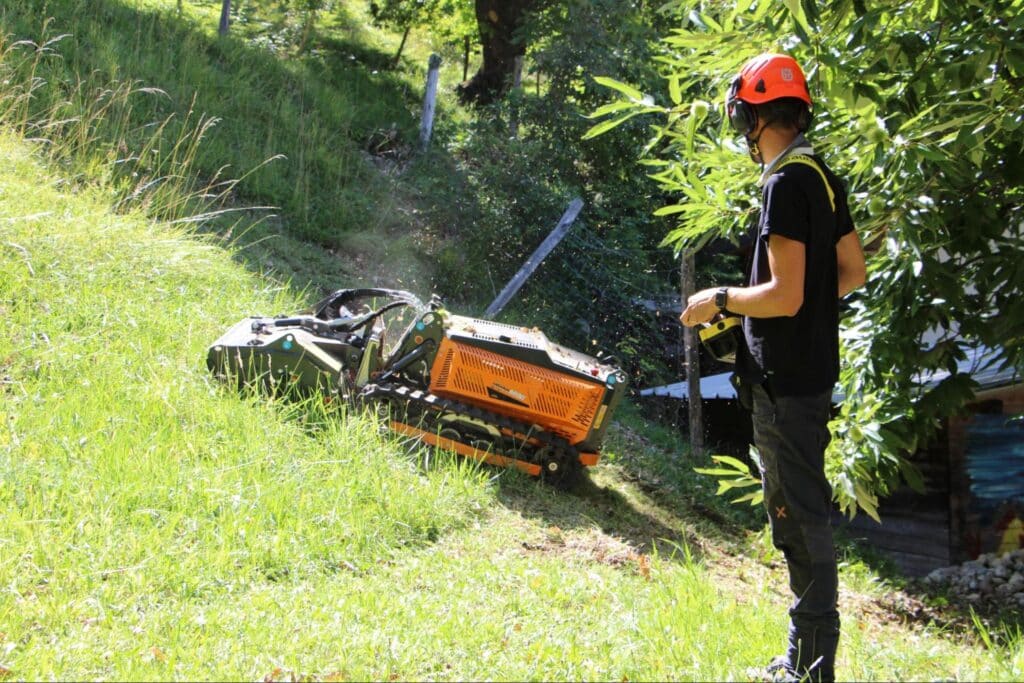
Select methods appropriate to each area. In more challenging or highly regulated sites, consult specialized equipment such as those found in Landscaping and Vegetation Equipment Solutions for safe and precise vegetation control around sensitive infrastructure.
- Mechanical Methods: Use mowing and brush cutting for flat or gently sloped zones to maintain clear visibility and access. These methods are ideal for routine work where environmental restrictions are minimal.
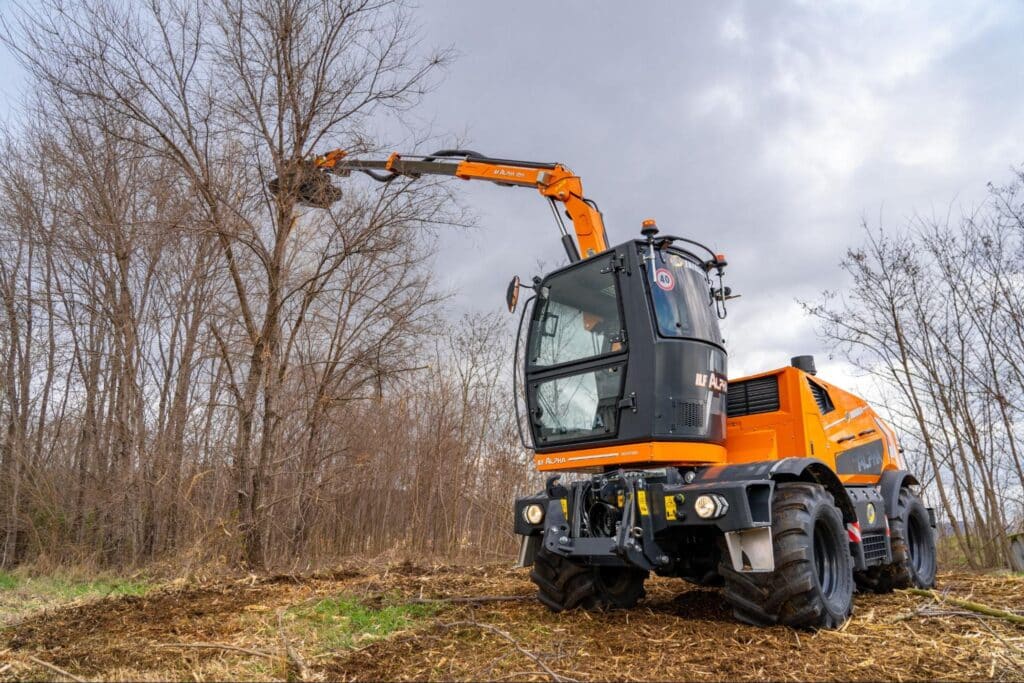
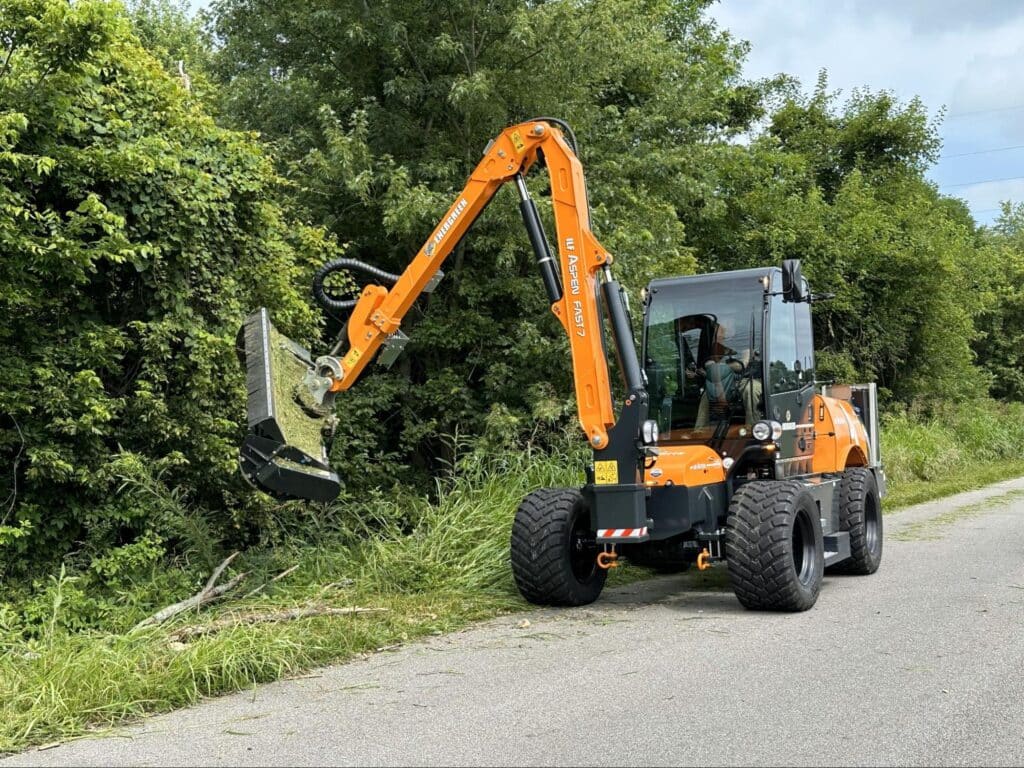
- Mulching and Forestry Cutting: For dense underbrush or woody debris, deploy mulchers to break vegetation down into mulch, reducing regrowth. In cases where permanent removal is needed, opt for full extraction.
- Chemical and Integrated Approaches: Selective herbicide applications can manage invasive species or hard-to-reach growth when combined with mechanical methods. Always adhere to environmental guidelines when using chemicals.
- Specialty Methods: For steep slopes or sensitive areas near waterways, consider remote-controlled mowers or low-impact manual methods to minimize hazards and ecological disruption.
Align each treatment with the region’s specific needs and regulatory requirements to ensure efficient, safe operations.
Step 5 — Develop an Annual Maintenance Cycle
Design a schedule that aligns with natural growth and seasonal risks.
- Seasonal Task Allocation: Plan maintenance in line with seasonal patterns:
- Spring: Prepare by clearing debris and reducing hazards to accommodate new growth.
- Summer: Engage in additional trimming during peak growth.
- Fall: Focus on pre-storm and wildfire preparation.
- Winter: Use the dormant period for intensive projects, such as invasive species removal.
- Storm and Wildfire Readiness: Incorporate pre-season and post-event measures to address high-risk areas proactively. This includes rapid clearance before storms and quick debris removal afterward.
- Departmental Coordination: Work with related municipal departments (e.g., stormwater management, road repairs) to combine efforts, share equipment, and reduce redundant work.
A consistent annual cycle minimizes reactive interventions and ensures budget efficiency.
Step 6 — Develop a Resource Plan: Staffing, Contractors, and Equipment
Optimize resource allocation to support your plan.
- Staffing: In-House vs. Contractors: Determine the right mix:
- In-House: Best for routine, quick-turnaround tasks.
- Contractors: Ideal for large-scale or specialized projects during peak demands.
- Production Metrics and Equipment Needs: Establish benchmarks (e.g., acres cleared per day) to guide performance. Ensure access to essential equipment:
- Mowers and brush cutters for general maintenance.
- Mulchers for dense growth.
- Bucket trucks for high-risk utility areas.
- Hand tools for detailed work.
- Efficiency Strategies: Schedule tasks to maximize equipment use, cross-train staff for flexibility, and consider resource-sharing across departments to cut costs.
An efficient resource plan supports continuous, reliable maintenance without exceeding budgets.
Step 7 — Safety, Compliance, and Environmental Controls
Implement measures to protect workers, the public, and the environment.
Ensure Traffic and Field Safety
Adopt safety measures including:
- Appropriate signage, barriers, and traffic control to protect work zones.
- Fall protection gear for work on steep slopes.
- Remote-controlled equipment to reduce operator risks.
Protect the Environment
- Use erosion control techniques and vegetative buffers.
- Manage invasive species carefully.
- Schedule work to minimize disruption to wildlife habitats.
Maintain Regulatory Compliance
Document compliance with clear work logs, incident reports, and crew training records. Ensure all activities meet applicable local, state, and federal standards.
Robust safety and environmental protocols reduce liabilities and build community trust.
Step 8 — Budgeting and Total Cost of Ownership (TCO) Thinking
Plan financially for long-term benefits over immediate cost savings.
- Identify Cost Categories: Outline expenses for:
- Labor (staff and contractor fees)
- Equipment (purchase, lease, or rental)
- Fuel, maintenance, and debris processing
- Compliance and potential fines
- Proactive Investment Rationale: Demonstrate that regular preventive maintenance reduces emergency costs and extends the lifespan of infrastructure. Tracking metrics like fewer outages and reduced emergency repairs strengthens the case for sustained investments.
- Total Cost of Ownership (TCO): Consider both upfront and ongoing costs to evaluate true financial benefits. TCO analysis helps justify a more proactive approach that ultimately saves money.
Step 9 — Measure, Report, and Continuously Improve
A systematic review process ensures your plan stays effective and relevant.
- Monitor KPIs:Track key indicators such as:
- Percentage of service areas completed on schedule.
- Response times to hazards.
- Frequency of rework.
- Cost per mile or acre maintained.
- Maintain Detailed Records: Keep work logs, photographic evidence, GIS data, and incident reports to provide transparency and support future improvements.
- Conduct Annual Reviews: Regularly assess risk coverage, resource use, and effectiveness of protocols. Use data from KPIs to refine strategies and identify areas for improvement.
This ongoing evaluation cultivates a culture of continuous improvement, ensuring the plan evolves with changing conditions.
Step 10 — Engage Stakeholders and Communicate Effectively
Successful vegetation management depends on transparent communication with the community and other stakeholders.
- Explain Goals and Benefits: Clearly communicate how proactive vegetation management improves safety, reliability, and environmental protection. This builds public trust and support.
- Provide Timely Updates: Share maintenance schedules and improvement progress through accessible channels such as websites and community meetings.
- Solicit and Incorporate Feedback: Establish channels for stakeholders to report issues and offer suggestions. Use this feedback to adjust plans and reinforce accountability.
By fostering open communication, you ensure broad community cooperation and enhance the long-term success of your program.
Next Step — Align Your Plan with the Right Equipment
Choosing the appropriate machinery is critical to executing your plan efficiently.
Select equipment based on:
- The specific challenges of steep slopes versus wide-open rights-of-way.
- The need for remote-controlled or high-capacity machines.
- Task-specific requirements like bucket trucks for utility clearances or brush cutters for dense areas.
Matching the right tools to your maintenance plan maximizes safety, productivity, and budget efficiency. For further guidance, consult a comprehensive vegetation equipment guide.
Frequently Asked Questions About Risk-Based Vegetation Management
What is a vegetation management plan?
A vegetation management plan is a documented, risk-based approach for controlling vegetation to protect public safety, maintain infrastructure reliability, and support compliance. It sets priorities, service standards, cycles, and performance metrics—beyond day-to-day trimming.
How is a vegetation management plan different from a schedule or work order?
A plan defines the strategy and goals, a schedule sets timing for routine work, and work orders translate priorities into specific tasks for crews (location, scope, method, and urgency).
How often should roadside or right-of-way vegetation be maintained?
It depends on growth rates, corridor risk, and seasonal conditions. Many agencies use a cyclical approach (multiple passes during peak growth) plus “trigger point” work when visibility, drainage, or clearance thresholds are exceeded.
How do you prioritize vegetation work when budgets are limited?
Start with a risk ranking system and focus first on high-consequence hazards (utility line clearance conflicts, blocked sightlines, wildfire exposure, and drainage obstructions). Use KPIs and rework tracking to refine cycles and reduce repeat callouts.
What are the most common reasons vegetation becomes a safety issue?
Typical drivers include vegetation encroaching on utility lines, reduced sight distance at intersections and curves, invasive species that spread quickly and increase re-growth, and blocked drainage structures that cause flooding or washouts.
What equipment is typically used for vegetation management?
Common options include mowers/brush cutters for routine maintenance, mulchers for dense brush and woody material, specialty equipment for steep slopes, and bucket trucks or specialized tools for utility line clearance work.
How can municipalities and utilities reduce emergency vegetation callouts?
Use a proactive annual cycle tied to seasonal risk, define trigger points for immediate response, standardize crew service metrics, and maintain a centralized inventory with recurring problem locations flagged for planned treatments.
Achieving Sustainable, Cost-Effective Vegetation Management
A proactive, risk-based vegetation management plan transforms how municipalities and utilities address vegetation challenges. By clearly defining scopes, establishing standardized service metrics, and aligning maintenance cycles with seasonal trends, organizations can mitigate risks, protect infrastructure, and reduce long-term costs. Integrating effective resource planning, stringent safety protocols, and continuous improvement processes ensures a sustainable program that benefits communities and the environment alike.
Brown Equipment Company helps municipalities and utility teams match the right vegetation management equipment to their corridors—roadside, right-of-way, drainage, and steep-slope applications. Contact us today and we’ll help you identify the safest, most productive setup for your crew and budget.
Watch the video below to learn about our commitment to quality and customer satisfaction, and see firsthand why Brown Equipment Company is the trusted partner for professionals across industries.