For municipalities, large contractors, and facility managers in sewer and water management, making smart equipment investments is essential. Sewer jetters are critical for clearing blockages and maintaining pipelines, but many organizations base decisions on purchase price or rental fees alone. A more accurate way to evaluate financial impact is through a comprehensive Total Cost of Ownership (TCO) analysis. TCO encompasses both upfront and recurring expenses—such as purchase or rental costs, maintenance and repairs, insurance, depreciation, and other indirect costs—providing a 360-degree view of how an investment plays out over time.
This article explores the key factors that define TCO for sewer jetters. It examines the advantages of renting versus buying and provides guidance on choosing a strategy that aligns with both immediate project requirements and long-term operational goals. By the end, you will have a clearer understanding of TCO, the scenarios in which each approach may be favorable, and how Brown Equipment Company can assist with your sewer jetter needs.
What is Sewer Jetter TCO? (And Why It Matters)
Focusing solely on a single cost component—like purchase price or rental fees—can obscure the full financial picture of a sewer jetter investment. In contrast, a Total Cost of Ownership (TCO) approach accounts for multiple cost drivers over the complete service life of the equipment, providing a 360-degree view of how the investment plays out over time.
Why a TCO Framework is Essential
Adopting a TCO framework is central to making sound financial decisions for three key reasons:
- Long-Term Insight: TCO forces you to look beyond the initial expense, allowing you to anticipate and plan for future costs.
- Budget Accuracy: Considering all lifecycle expenses—from maintenance and operation to eventual disposal—aids in more precise and reliable budget planning.
- Value Optimization: An in-depth analysis of all cost drivers helps you compare options and select the strategy that offers the best overall value for your organization.
The Core Components of Sewer Jetter TCO
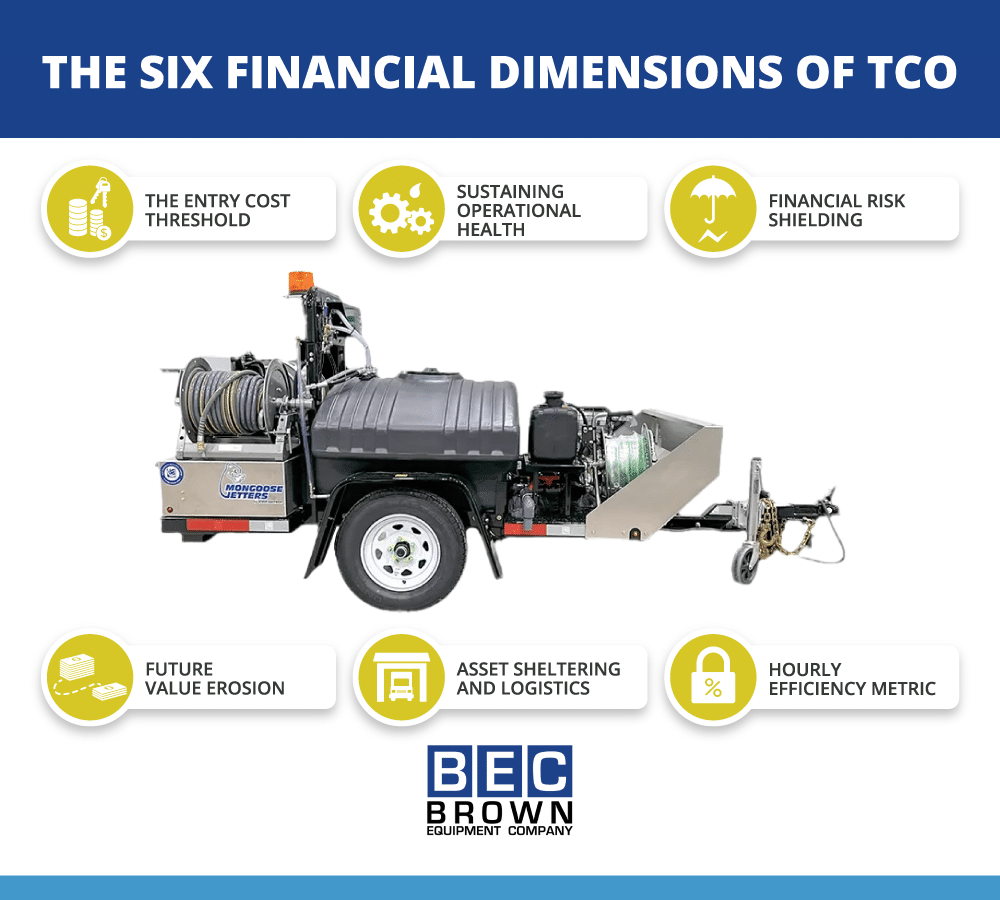
Building a TCO framework for a sewer jetter requires an examination of all associated costs. While every operation is unique, the following core components typically play a role:
- Upfront Acquisition Costs:
- Buying: This includes the purchase price, taxes, and initial setup fees. While it requires a larger upfront investment—new sewer jetters are typically priced between $53,000 and $85,000—financing is often an option with attractive terms for frequent use.
- Renting: This involves periodic rental fees, which allow you to avoid a large upfront investment. This approach benefits organizations with restricted capital or uncertain long-term equipment needs.
- Maintenance and Repairs: Sewer jetters regularly confront sludge, debris, and high-pressure water systems that accelerate wear. Factoring in scheduled upkeep, parts replacements, and unexpected repairs is vital for ensuring the jetter performs robustly over its service life.
- Insurance and Liability: Both owners and renters must consider insurance coverage for potential damages, liability claims, or accidents. Owners typically require comprehensive heavy-equipment insurance policies, while rental agreements may incorporate coverage into the rental fee or list it as a separate item.
- Depreciation: All heavy equipment depreciates, but sewer jetters that receive regular maintenance generally deliver sustained performance. While a well-maintained jetter may still command resale value, the actual potential can vary based on market conditions and equipment specifics.
- Storage and Transportation: Owners are responsible for securing adequate space for safe storage and managing transportation logistics, which may include trucks and specialized trailers. Renting can shift these responsibilities to the provider, though this may come with increased recurring fees.
- Utilization Rates: High utilization supports ownership by lowering the cost per operating hour. If a jetter is required regularly, ownership is often the more economical choice. Conversely, if usage is sporadic or seasonal, renting is likely more practical.
Advantages of Renting a Sewer Jetter
Lower Barrier to Entry
Since there’s no substantial purchase cost involved, renting a sewer jetter can be an excellent option for organizations with limited capital or those with uncertain long-term needs. You only pay for the equipment when you need to use it.
Reduced Maintenance Responsibilities
Many rental agreements include regular maintenance, so you avoid the hassle of sourcing parts, scheduling service, or managing routine upkeep. Instead, the rental company handles most of these tasks, allowing you to concentrate on operational matters.
Flexibility and Access to Current Technology
Rentals often include newer, advanced models that incorporate the latest features. This immediate access to cutting-edge technology allows you to efficiently complete jobs without committing to a long-term investment.
Ideal for Infrequent or Emergency Use
If your operations require sewer jetting only under special or emergency circumstances, renting prevents you from paying for idle equipment when not in use.
Benefits of Purchasing a Sewer Jetter
Long-Term Cost Efficiency
Although purchasing a jetter requires a significant upfront payment, for organizations with high utilization—especially those with in-house maintenance capabilities—ownership can translate into a lower per-hour operating cost over time.
Complete Equipment Control and Customization
Ownership allows for modifications and upgrades that can tailor the machine to your specific operational needs. You may add attachments and nozzles, adjust configurations, or upgrade components to optimize productivity.
Immediate Availability
Ownership eliminates the risk of rental delays. Having your own jetter readily available can be crucial during unexpected emergencies or peak operational periods.
Tax Incentives
Depending on local jurisdiction, purchasing heavy equipment might qualify for tax benefits such as deductions or credits. Always consult with a tax advisor to determine how these benefits can work in your situation.
Resale Considerations
While regular maintenance can help the jetter maintain robust performance, the eventual resale potential will depend on various factors including market demand and overall equipment condition. It is advisable to manage maintenance diligently to support both performance and potential resale value.
How to Decide: Key Scenarios for Renting vs. Buying
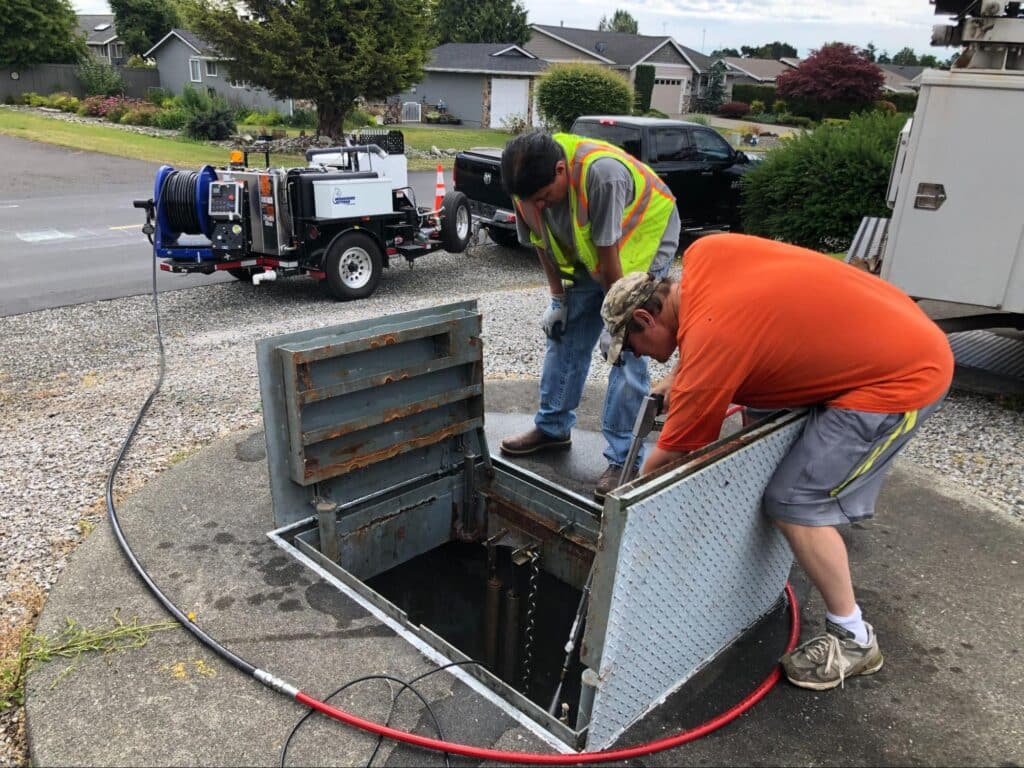
The best choice between renting and buying often becomes clear when you evaluate your organization’s specific operational patterns and financial realities. Here’s a practical guide to help you determine which strategy aligns with your needs.
You should strongly consider RENTING if…
- Your usage is sporadic or project-based. If you only need a sewer jetter for specific jobs, seasonal cleaning (like after heavy spring rains), or on an infrequent basis, renting is far more cost-effective. It prevents you from paying for expensive equipment that sits idle.
- You face emergency or unexpected needs. When a sudden blockage or system failure occurs, renting allows you to get a machine on-site quickly without having a long-term plan in place for it.
- You have limited upfront capital. Renting avoids the significant capital expenditure required for a purchase, freeing up your budget for other operational priorities. You pay as you go, making it a predictable operating expense rather than a large capital investment.
- You want access to the latest technology. The rental market often provides access to newer, more advanced models. This allows you to use cutting-edge technology for a specific project or “try before you buy” to see how a new feature works for your crew.
You should strongly consider BUYING if…
- Your usage is consistent and high-volume. If your crews are running a sewer jetter several days a week as part of a regular preventive maintenance schedule, ownership is almost always the more economical choice. The high utilization dramatically lowers the cost per operating hour over the equipment’s lifespan.
- You have in-house maintenance capabilities. If you have skilled technicians on staff who can perform routine service and repairs, you can manage the long-term upkeep of a jetter far more affordably than an organization that has to outsource all maintenance.
- Immediate availability is critical to your operations. For municipalities and emergency contractors, waiting for a rental to be delivered is not an option. Ownership guarantees that the jetter is ready to deploy the moment an issue arises, ensuring rapid response times and minimizing service disruptions.
- You need customized equipment. Ownership gives you complete control to modify the jetter with specialized nozzles, different hose reel configurations, or other attachments tailored to your unique sewer system and operational needs.
Using a TCO Calculator to Make Your Decision
A TCO calculator can help you compare rental fees to the expenses associated with purchasing a sewer jetter under real-world conditions. Key inputs typically include:
- Annual operating hours
- Equipment purchase price (or monthly rental rate)
- Estimated maintenance and repair costs
- Insurance and logistical expenses
- Projected equipment lifespan
- Expected salvage value at the end of the use cycle
Analyzing various scenarios with a TCO calculator reveals potential hidden costs or savings, providing a data-driven rationale for your decision.
Pro-Tips for Optimizing Your Sewer Jetter TCO
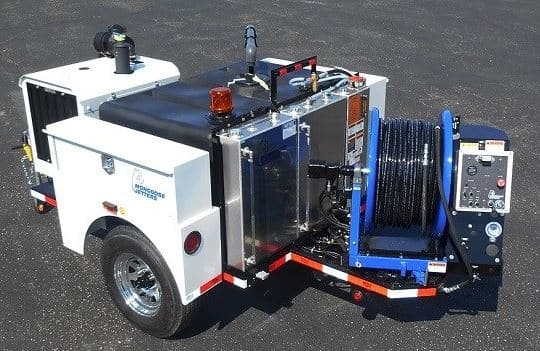
Making the right rent-or-buy decision is just the beginning. To truly maximize the value of your equipment and lower its Total Cost of Ownership, you need a proactive strategy. Here are essential tips to help you optimize performance and control costs over the long term.
1. Implement a Proactive Maintenance Program
Don’t wait for something to break. A structured preventive maintenance plan is the single most effective way to minimize expensive downtime and extend the life of your sewer jetter.
- Schedule Regular Service: Adhere to the manufacturer’s recommended service intervals for engine oil, pump fluid, and filter changes.
- Standardize Your Process: For fleet operations, create a standardized checklist for daily inspections and routine service. This ensures consistency and reliability across all units.
- Forecast Parts and Repairs: Keep a log of common wear parts (like nozzles and hoses) to anticipate future needs and stabilize your maintenance budget.
2. Invest in Comprehensive Operator Training
Even the most advanced sewer jetter will underperform—or worse, become a liability—in untrained hands. Proper training is crucial for safety, efficiency, and equipment longevity.
- Prevent Costly Damage: Well-trained crews can significantly mitigate accidental damages caused by improper operation, saving you thousands in unforeseen repair costs.
- Improve Operational Efficiency: Skilled operators know how to select the right nozzle and pressure for the job, clearing blockages faster and reducing water and fuel consumption.
- Enhance Safety: Regular safety briefings and refresher courses not only protect your personnel but also prevent accidents that can lead to expensive liability claims and equipment damage.
3. Leverage Smart Fleet Management
For organizations with multiple units, effective fleet management can unlock significant savings. Use data to make informed decisions about how your equipment is deployed.
- Monitor Utilization Data: Track operating hours for each jetter to identify under- or over-utilized assets. This data is critical for optimizing scheduling and knowing the right time to replace or upgrade equipment.
- Optimize Scheduling and Dispatching: Efficiently route your crews and equipment to reduce travel time, fuel costs, and unnecessary wear and tear.
4. Accurately Forecast Usage and Future Growth
A common mistake is basing a TCO analysis on inaccurate or incomplete information. Be realistic and forward-thinking.
- Avoid Underestimating Usage: Track your actual operating hours carefully. Inaccurate estimates can distort cost comparisons and lead you to the wrong decision. A short-term rental strategy may seem cheap until a sudden increase in demand makes it prohibitively expensive.
- Plan for Growth: Consider your organization’s future. Will you be servicing more pipeline in the next five years? Align your equipment strategy with your anticipated growth to ensure seamless expansion without disruptive and costly replacement cycles.
Interpreting Your Sewer Jetter TCO Results
Once you’ve plugged your own numbers into a TCO calculator, the decision usually comes down to how often you truly need a sewer jetter and how predictable that demand is.
- Low or Unpredictable Use: If your team only needs a jetter a few weeks a year, or primarily for emergencies, the TCO will often favor renting. You avoid a large upfront purchase and ongoing ownership costs for a machine that would sit idle most of the time.
- Moderate Use or Growing Demand: If your usage is somewhere in the middle, your TCO results will help you find the “break‑even” point—where the cumulative cost of ongoing rentals starts to approach (or exceed) the total cost of owning. This is where it pays to look closely at your growth plans and maintenance capabilities.
- High, Consistent Use: If your crews are using a jetter regularly for planned maintenance and projects, TCO frequently tilts toward ownership. Spreading the purchase price, maintenance, and other overhead over a large number of weeks or hours of use typically drives your cost per use down.
Instead of relying on generic examples, it’s best to run the numbers based on your actual rental rates, purchase pricing, and utilization patterns. The team at Brown Equipment Company can walk you through a tailored TCO comparison so you can see, in clear terms, whether renting or buying delivers the best long‑term value for your operation.
Making the Best Decision for Your Sewer Jetter Needs
Determining whether to rent or purchase a sewer jetter is a multifaceted decision influenced by usage frequencies, budget constraints, maintenance capabilities, and growth projections. A TCO-oriented approach provides a clear framework for identifying hidden costs and long-term savings. By comparing purchase expenses, rental fees, ongoing maintenance, and indirect costs, decision-makers can determine which strategy—ownership or rental—offers the most value over time.
If you’re interested in exploring your options further or would like to schedule a demonstration, contact Brown Equipment Company today. Our team is ready to help you navigate your investment decisions, ensuring that your sewer jetter solution aligns with your strategic goals and operational needs.