Selecting the right sewer inspection cameras is crucial for efficient pipeline diagnostics. Municipalities, contractors, and facility managers need systems that deliver quick assessments, detailed analyses, or rapid screenings under various jobsite conditions. This guide explains the advantages and limitations of three primary systems—push cameras, crawler systems (often referred to as sewer crawlers), and zoom inspection systems—and offers clear, actionable advice to integrate these tools into your workflow.
Quick Definitions: Understanding Sewer Inspection Camera Systems
There are three main types of sewer inspection equipment, each ideal for specific conditions and objectives.
- Push cameras: Portable camera systems where the operator pushes a small camera head through the line on a semi‑rigid rod, typically from a cleanout, for short-to-mid range inspections in smaller pipe.
- Crawlers: In-pipe inspection systems that use a remote-controlled wheeled crawler to carry a camera through mainline pipe, providing stable, controlled travel for longer runs and larger diameters.
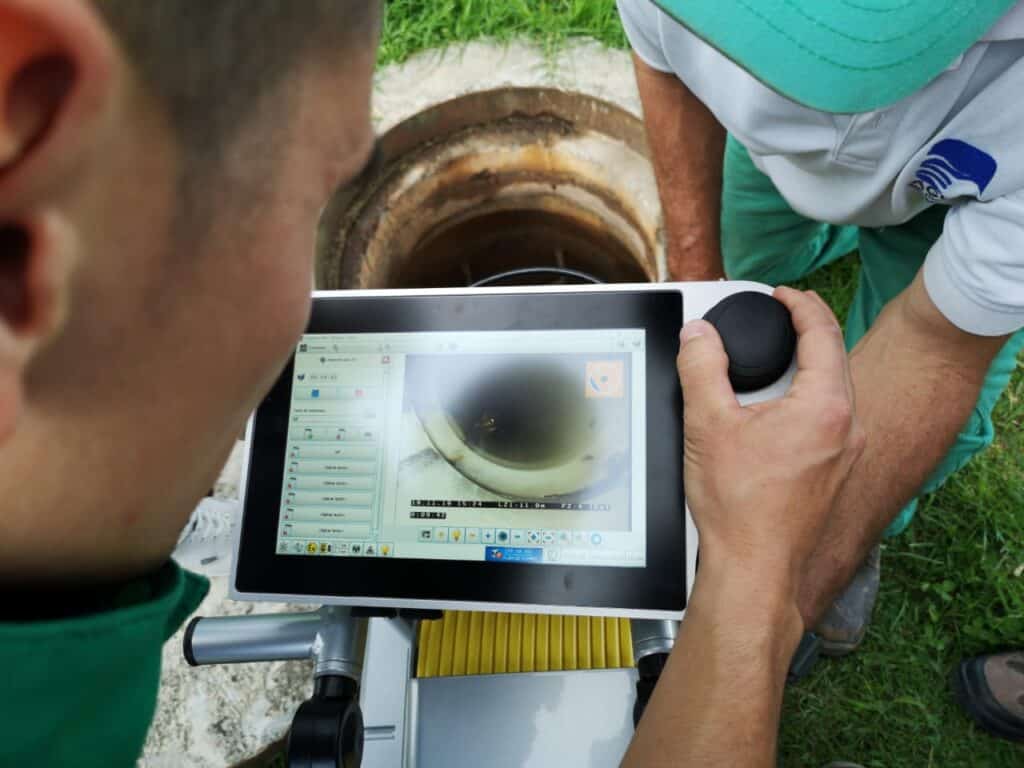
- Zoom inspection systems: High-zoom camera setups used to visually assess pipe condition from a manhole or access point without entering the line, primarily for rapid screening and job planning.
Comparison at a Glance
| Feature | Push Cameras | Crawlers Systems | Zoom Inspection Systems |
| Best For | Short pipelines, quick checks of sewer laterals | Detailed assessments of mainlines, longer distances | Rapid screening and prioritization |
| Pipe Environment Fit | Smaller pipes, moderate bends | Larger pipes with variable bends, debris, heavier flow | Straight or easily accessible pipes |
| Inspection Distance | Typically 100–200 feet | Several hundred feet possible | Depends on zoom capacity |
| Capabilities | Basic imaging for spot checks | Advanced imaging with pan, tilt, and zoom | Wide-area coverage, long-range zoom |
| Setup Requirements | Minimal; often a single-operator task | Requires a crew and longer setup time | Deploys quickly with minimal staffing |
| Maintenance Costs | Lower with simpler repairs | Higher, reflecting robust system upkeep | Moderate focus on optical components |
Push Cameras: Portable Solutions for Short Pipelines
Push cameras (also called push-rod systems) pair a compact camera head with a flexible, semi-rigid rod, making them a practical first step for everyday sewer maintenance. They’re commonly used to inspect sewer laterals, smaller service lines, and other limited-access piping where a fast look is all that’s needed. Affordable and easy to operate, push cameras are well-suited for basic inspections and preliminary checks—but their reach is typically limited to about 100–200 feet, and tight bends or heavy debris can reduce image clarity.
Best-fit applications
- Quick inspections in limited-access pipes and service lines
- Rapid problem identification where minimal detail is sufficient
- Initial diagnostics for routine wastewater maintenance tasks
Common limitations
- Cable length restrictions
- Reduced clarity in heavily obstructed or sharply curved pipes
By selecting models with durable camera heads and user-friendly controls, push cameras can serve as a reliable, everyday troubleshooting tool in your sewer inspection equipment lineup.
Crawler Systems: Advanced Systems for Detailed Inspections
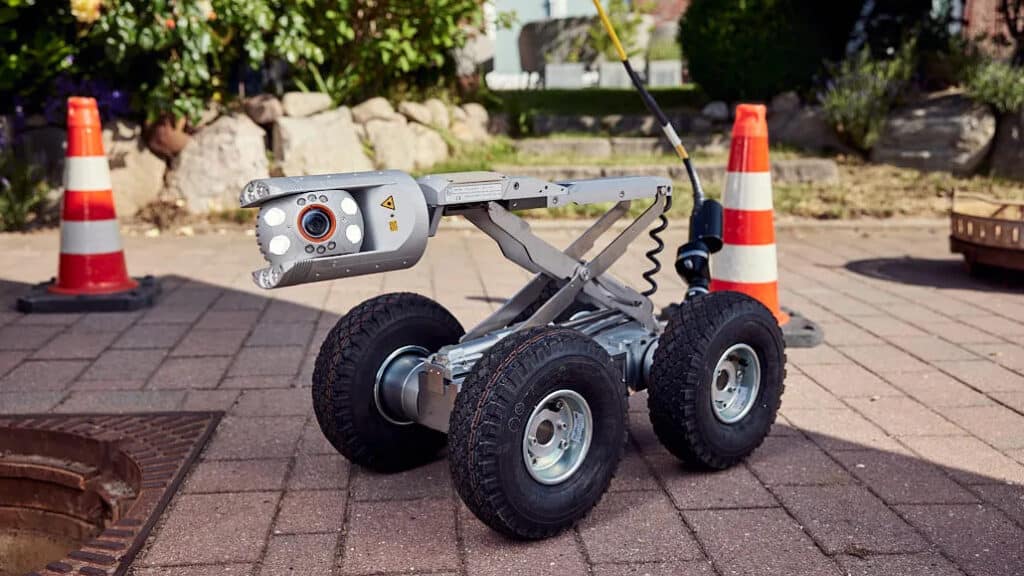
Crawler systems (often called sewer crawlers) are motorized, cable-driven robots that travel through pipes while capturing high-quality video for detailed evaluations of municipal mainlines and larger pipeline networks. With pan/tilt/zoom viewing, crawlers help identify and document structural conditions such as cracks, misalignments, and root intrusion, providing the depth of information needed for effective pipeline management and targeted repair planning.
Key features to consider
- High-definition cameras with pan, tilt, and zoom capabilities
- Robust construction and strong traction for uneven pipe conditions
- Powerful lighting for clear imaging in low-light environments
Best-fit applications
- Detailed condition assessments over long distances
- Inspections requiring comprehensive structural analysis
- Systematic evaluations to support long-term pipeline management
Challenges with crawlers
- More time required for setup and operation
- Pre-cleaning (often with sewer jetters) is frequently needed for best results
When thoroughness matters, crawler systems deliver the in-depth footage and documentation teams rely on to plan rehabilitation and repairs with confidence.
Zoom Inspection Systems: Rapid Surveys from Fixed Access Points
Zoom inspection systems provide a broad, high-level view from a fixed position—typically from manholes or other access points—making them ideal for quick surveys across multiple pipeline segments. With long-range zoom and clear optics, operators can rapidly spot major issues in larger mainlines, especially during post-storm checks or time-sensitive evaluations. Because the camera doesn’t travel through the pipe, irregular layouts, distance, or debris can limit how much fine detail is captured.
Key features to consider
- High-quality optics with ample zoom range
- Reliable stabilization for crisp, clear images
- Intuitive controls for fast, accurate adjustments
Best-fit applications
- Storm-related checks across multiple access points
- Quick scanning to identify areas that need closer inspection
- Rapid triage and planning for urgent wastewater evaluations under tight deadlines
Limitations of zoom systems
- Fixed vantage points can miss hidden defects
- Not always sufficient for regulatory-level reporting
Zoom systems are often the “first pass” technology—fast, wide-reaching, and effective for prioritizing where to focus more detailed inspection resources.
Decision Tree: Choosing the Right Sewer Inspection Platform
- Are you inspecting short pipelines or service connections? If yes, choose push cameras.
- Do you need a thorough condition assessment over a long distance? If yes, use crawler systems (sewer crawlers).
- Is your priority to quickly identify sections that need closer analysis or cleaning? If yes, pick zoom inspection systems.
- Are heavy debris or obstructions present? Pre-clean with sewer jetters, then select push cameras for short runs or crawlers for more extensive projects.
How to Achieve Optimal Results with Any Inspection System
- Always clean the pipeline before conducting any inspection to enhance clarity.
- Standardize your documentation process for consistent recordkeeping.
- Provide operator training so your team can diagnose and resolve equipment issues quickly.
- Incorporate integrated, high-quality lighting to improve image clarity in dark or tight conditions.
- Regularly service and calibrate your equipment to minimize downtime.
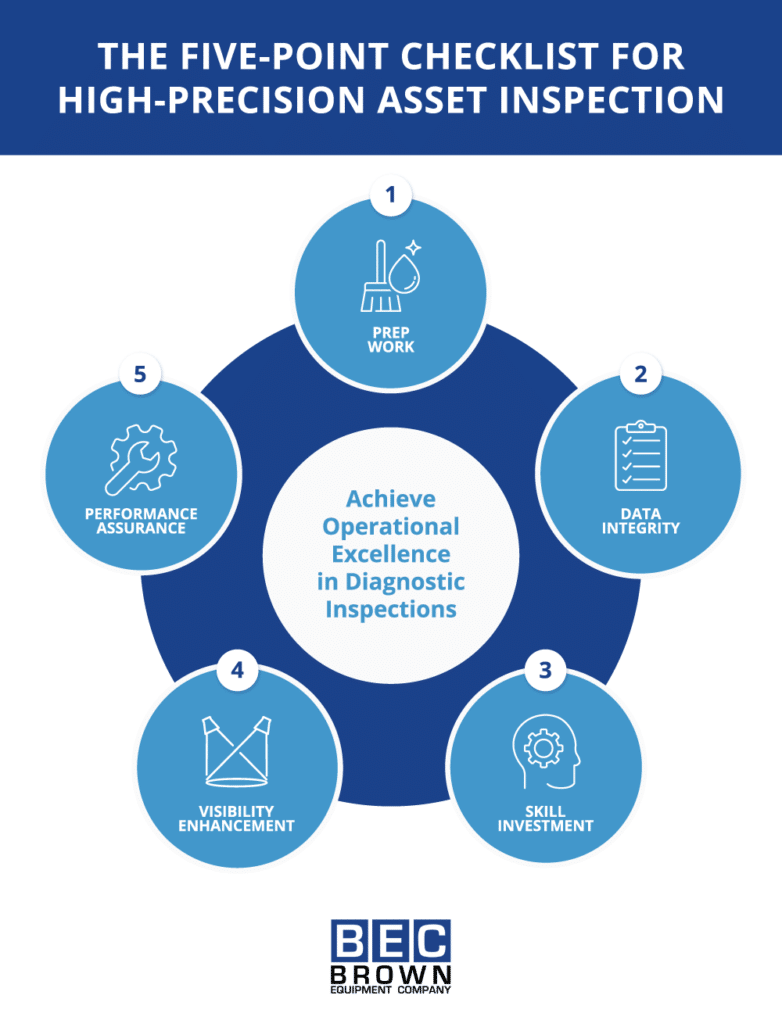
No matter which type of system you choose, these practical steps ensure every inspection yields accurate results.
Where Inspection Fits in a Complete Maintenance Workflow
Inspection delivers the best results when it’s part of a simple, repeatable process: clean → inspect → confirm → repair/rehab. In many cases, sewer jetters are used first to remove grease, debris, and buildup so push cameras or crawlers can travel farther and capture clearer footage. When access is limited or the line must be safely exposed, hydro excavation helps crews daylight utilities and uncover pipe with minimal risk of damage. Pairing inspection with the right preparation and access tools reduces repeat visits, improves documentation quality, and helps teams make faster, more accurate repair decisions.
Real-World Inspection Scenarios: Practical Examples
- A city dealing with repeated residential blockages uses sewer jetters to clear common obstructions, then deploys push cameras to confirm problem areas are open. If deeper issues arise, crawler systems evaluate the mainlines for structural defects.
- A contractor preparing for pipe rehabilitation rapidly screens multiple sections with a zoom inspection system to highlight areas needing immediate attention. Later, a crawler collects high-resolution data for budgeting and long-term pipeline management.
- After significant maintenance work, push cameras help confirm smaller blockages are gone, while a crawler system verifies the overall pipe integrity for official documentation.
Combining these inspection systems with complementary tools—like hydro excavation for safe digging—produces the most accurate, cost-effective results.
Industry-Specific Considerations for System Selection
Different sectors have unique priorities when it comes to wastewater infrastructure and pipeline management. Municipalities often need to handle emergency repairs and rigorous regulatory standards, while large contractors may maintain multi-phase projects, necessitating both quick diagnostic tools (like push cameras and zoom systems) and thorough investigative solutions (like sewer crawlers). Seasonal flooding or high-debris periods also influence the frequency and type of inspection equipment required.
By aligning the right combination of sewer inspection cameras, hydro excavation procedures for safe access, and sewer jetters for obstinate clogs, municipalities and contractors can keep water systems functioning reliably.
FAQ: Push Cameras vs Crawlers vs Zoom Inspection Systems
Push camera vs crawler—how do I decide?
Choose a push camera for short runs and smaller-diameter service lines/laterals where you need a quick diagnosis. Choose a crawler for mainlines, longer distances, and detailed condition assessments, especially when you need stable footage and comprehensive documentation.
Can a push camera inspect a mainline?
Sometimes—but it’s usually limited. A push camera can check short sections of a mainline near an access point if conditions are clean and the pipe size allows useful viewing. For longer mainline inspections, larger diameters, heavy debris, or formal reporting, a crawler is typically the better fit.
When is zoom inspection “good enough”?
Zoom inspection is “good enough” for a first-pass screening: confirming passability, spotting major defects near access points, and quickly prioritizing which segments need a crawler inspection. If you need close-up defect verification, detailed grading, or regulatory-level documentation, you’ll usually need an in-pipe camera system.
Do I need to jet before inspection?
In many cases, yes. Jetting (or other cleaning) before inspection improves visibility, helps cameras travel farther, and reduces misdiagnosis caused by grease, debris, or standing material. If the line is already clear and flowing well, a full pre-clean may not be necessary—but some level of cleaning is often recommended for best results.
How far can each system inspect?
It depends on pipe conditions, access, and equipment configuration, but typical expectations are:
- Push cameras: often 100–200 ft (distance drops with tight bends or heavy buildup)
- Crawlers: often several hundred feet or more depending on the system, pipe size, and cleanliness
- Zoom systems: distance depends on line-of-sight, lighting, and optical zoom, and works best in straighter runs from manholes/access points
What’s the difference between optical zoom vs digital zoom?
Optical zoom uses the camera lens to magnify the image and generally preserves clarity and detail. Digital zoom enlarges the pixels of the image and can look grainy or less detailed, especially in low light. For zoom inspection systems, optical zoom is typically the most important spec.
Which system is best for tight bends and service connections?
Push cameras are often the best starting point for service connections and smaller lines, but tight bends can still limit how far they’ll go. Crawlers typically perform best in larger, more uniform pipe, and zoom inspection relies on a clear viewing angle from the access point.
Finalizing Your Sewer Inspection Strategy
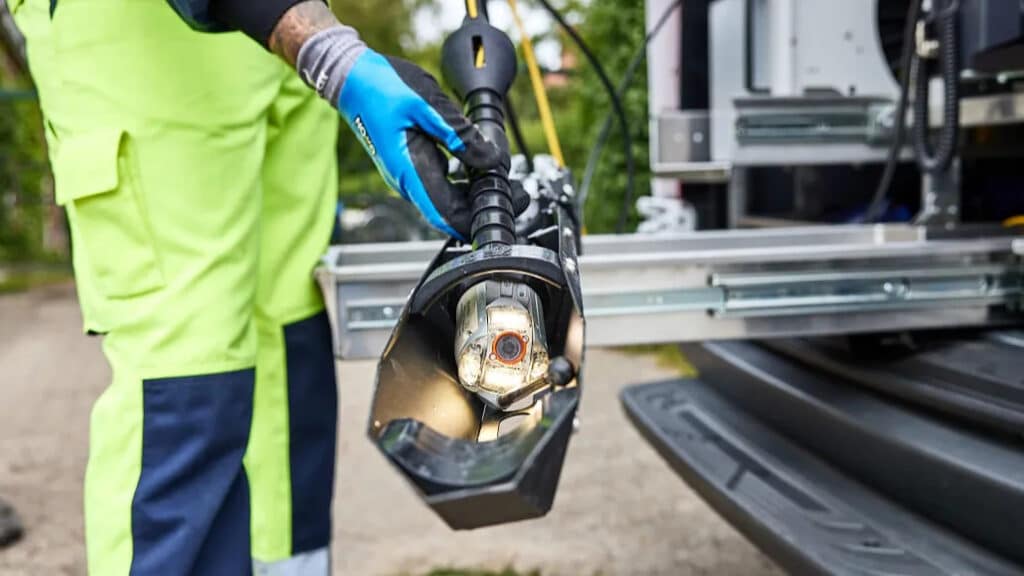
Selecting the right sewer inspection camera is essential for optimal pipeline maintenance. Whether you rely on the portability of push cameras, the comprehensive analysis of sewer crawlers, or the rapid overview of zoom inspection systems, matching technology to your jobsite demands is key. Brown Equipment Company supports your success with a full range of sewer maintenance equipment, including sewer jetters, hydro excavation nozzles, and pipeline inspection cameras.
Contact Brown Equipment Company today to schedule a personalized equipment demo, consult with our experts, and explore our maintenance services. Enhance your pipeline management capabilities and secure reliable inspection data for years to come.