Pipeline and sewer infrastructure form the backbone of municipal water and wastewater systems—and when they fail, the costs are high in both dollars and public trust. Regular, well-structured inspections are essential to keeping these systems operating safely, preventing disruptions, and extending the life of critical assets.
A defined pipeline inspection workflow gives utilities, public works departments, and contractors a clear roadmap to follow in the field. From planning and gaining access to cleaning, inspecting, coding defects, and validating data, every step plays a role in producing reliable information that can be used to guide maintenance and capital planning.
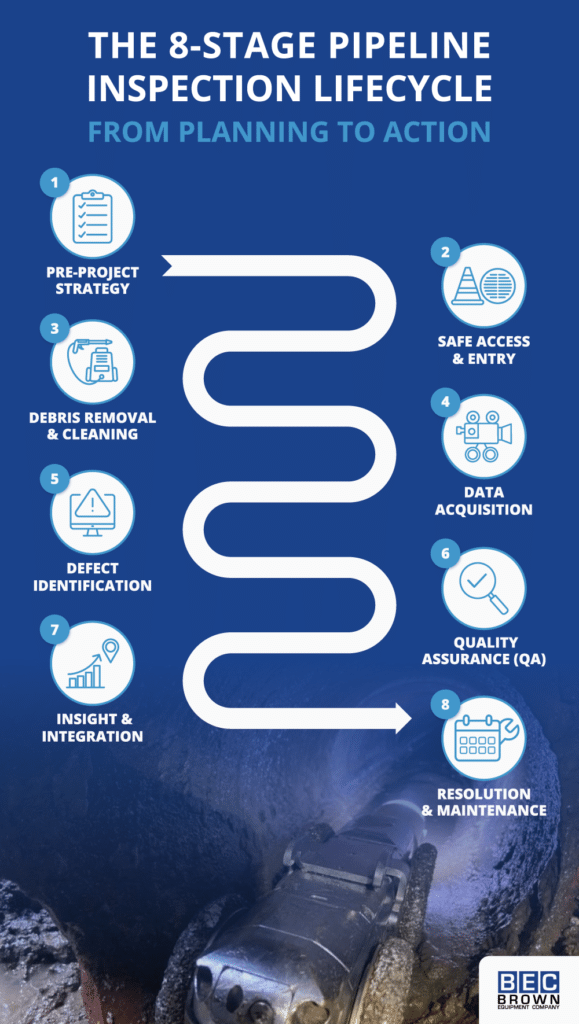
This guide walks through the complete pipeline inspection process—from upfront planning and safe entry, through cleaning, inspection, defect coding, and QA, to delivering reports, integrating with asset management systems, and scheduling follow-up work. By standardizing this workflow and pairing it with the right equipment and technology, organizations can move from reactive fixes to proactive, data-driven infrastructure management.
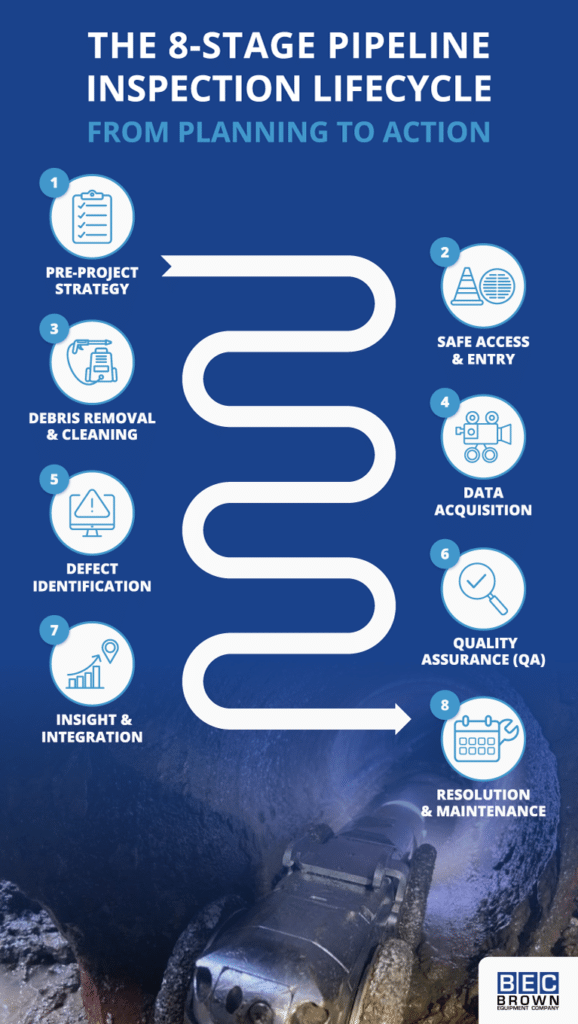
Step 1: Planning the Pipeline Inspection
Effective pipeline inspections begin well before crews enter the field. Proper planning establishes the goals, resources, and safety protocols needed for a successful inspection.
Defining Objectives and Gathering Data
The inspection process starts with clearly identifying its purpose, whether it is routine maintenance, emergency troubleshooting, or long-term rehabilitation planning. Gathering existing data—such as historical reports, repair records, and asset maps—provides insight into factors like pipe age, material, and previous issues. This background information helps prioritize which segments need more detailed attention and clarifies the overall project scope.
Establishing Key Roles and Project Requirements
Successful inspections rely on teamwork. It is crucial to designate roles and delineate responsibilities among project managers, field operators, engineers, and inspectors. Establishing clear oversight and communication channels helps prevent confusion during the inspection, ensuring that all team members know their roles and the standards they must meet.
Prioritizing Safety and Compliance
Safety is a core element in planning. This phase involves acquiring necessary permits, setting up traffic controls, and ensuring all personnel involved follow OSHA guidelines for confined space entry. Preparing safety equipment, such as gas monitors and personal protective gear, is essential for reducing risks and ensuring a compliant, efficient inspection process.
Step 2: Gaining Access to the Pipeline System
Securing safe access to underground pipelines is critical. Often located in challenging environments, the pipelines require specialized methods and equipment for safe entry.
Efficient Methods for Accessing Pipeline Infrastructure
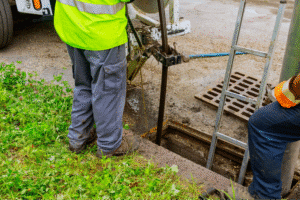
Access typically occurs through manholes, pump stations, or designated entry pits. In some cases, particularly in remote or complex settings, additional strategies are employed. For pipelines located in hard-to-reach areas, specialized equipment or innovative solutions are often used to facilitate safe entry, while underground pipelines in urban environments generally require coordination with local municipal authorities to secure necessary access and ensure regulatory compliance.
Tools and Equipment for Safe Entry
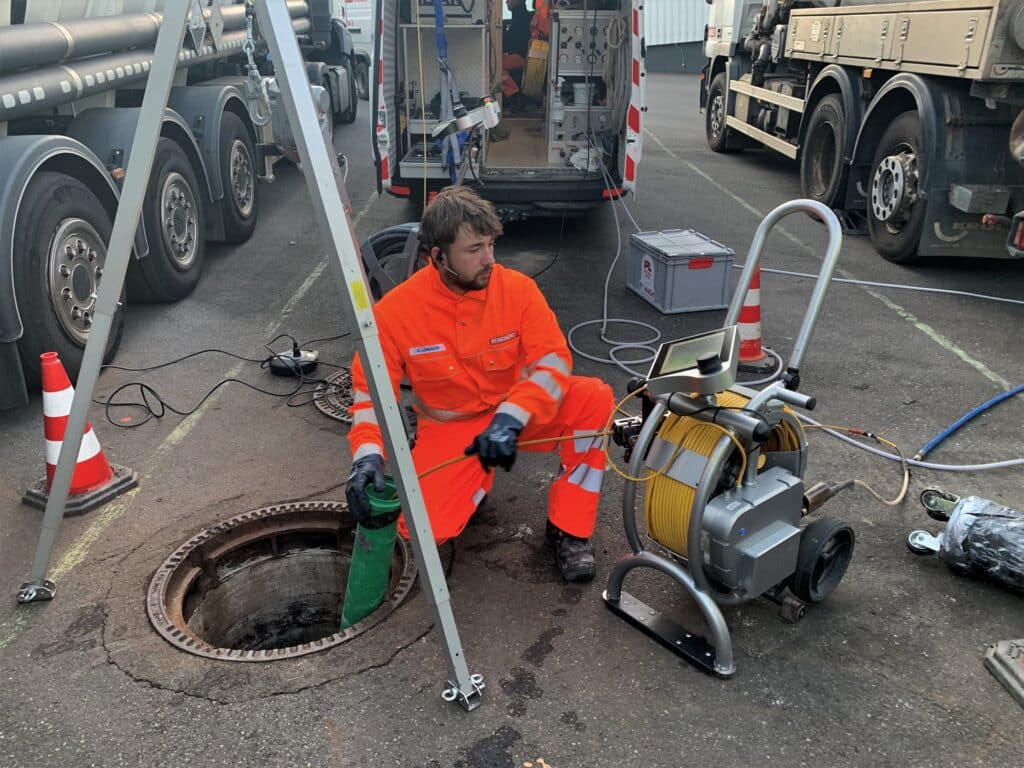
Safety gear is indispensable when entering confined spaces. Essential equipment includes gas detectors to monitor air quality, harness systems for fall protection, and manhole safety devices that establish a controlled entry environment. Utilizing remote-controlled cameras or tool carriers can further reduce the need for direct entry into hazardous areas.
Overcoming Access-Related Challenges
Access challenges vary by location. Urban centers may have limited workspace and require strict traffic control, while rural or remote sites might involve rugged terrains. Preparation with specialized equipment and the use of remote inspection technologies help overcome these obstacles effectively.
Step 3: Cleaning the Pipeline for Inspection
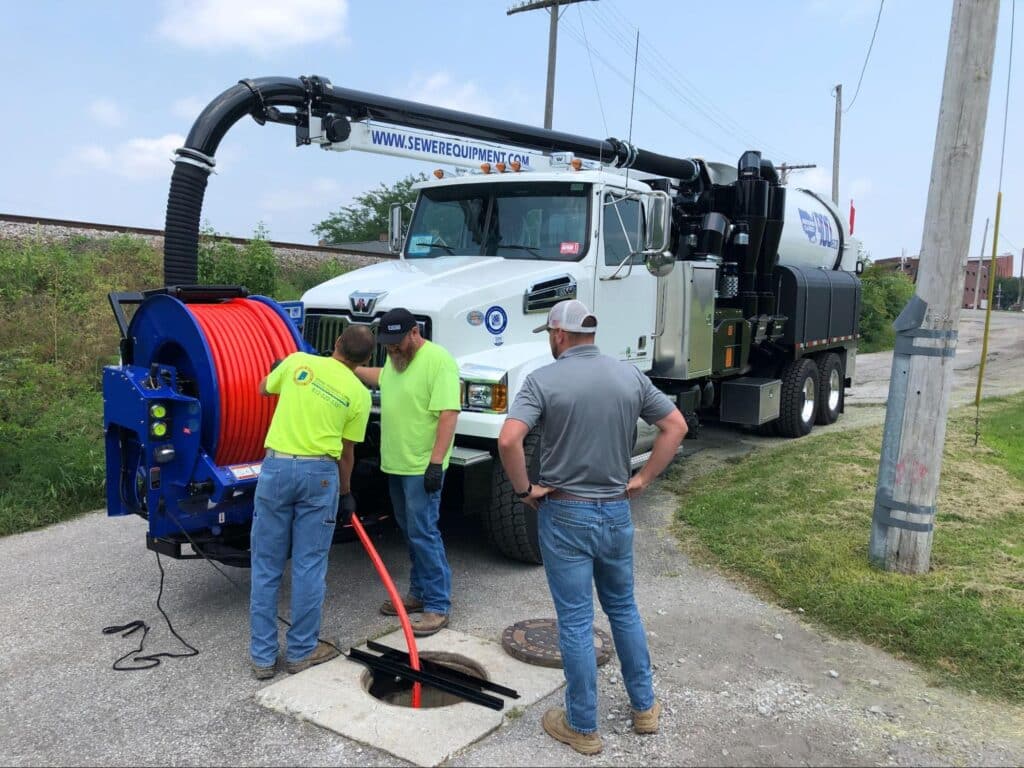
Cleaning is fundamental to ensuring clear visibility and accurate inspections. Removing debris, sediment, and other obstructions is essential for obtaining reliable data.
Why a Clean Pipeline Matters
A clean pipeline allows inspection cameras and sensors to capture precise images and measurements. Obstructions can hide critical details such as cracks, root intrusions, or joint misalignments, leading to incomplete assessments. Thorough cleaning not only improves data quality but also protects sensitive equipment from wear and damage.
Equipment and Techniques for Pipeline Cleaning
Specialized equipment such as combination sewer cleaning trucks and sewer jetters are typically used to dislodge and flush out debris. For delicate operations, hydro excavation solutions provide precision cleaning without damaging the pipe, ensuring that subsequent inspections are both efficient and accurate.
Emphasizing Safety and Environmental Practices
Cleaning operations must adhere to strict safety protocols. Operators should use proper PPE—including goggles, gloves, and protective clothing—and follow comprehensive training to prevent accidents. In addition, procedures for handling waste and contaminated water should comply with environmental regulations for wastewater and stormwater to minimize the impact on the surrounding ecosystem.
Step 4: Conducting the Pipeline Inspection
After cleaning, the inspection phase begins. This phase utilizes advanced tools and techniques to capture detailed information about the pipeline’s condition. For a deeper exploration of available technologies, see the Ultimate Guide to Pipeline & Sewer Inspection Technologies.
Selecting the Right Inspection Tools
The choice of inspection technology is driven by the pipeline’s specific characteristics. Pipeline inspection cameras with pan-and-tilt capabilities provide a thorough 360-degree view of the interior, helping identify surface cracks, misalignments, and other defects. For advanced camera solutions tailored to different pipe sizes, explore camera inspection systems that can capture hard-to-reach areas. Complementary technologies such as acoustic sensors and laser profiling may supplement visual inspections for a complete assessment.
Collecting Accurate Data
Precise data collection is paramount to the success of the inspection. Inspectors must maneuver cameras and sensors carefully while ensuring adequate lighting and controlled speeds. In addition, acoustic or laser-based tools can measure flow irregularities and structural changes, rounding out the inspection with quantitative measurements.
Tackling On-Site Challenges
Field inspections can present unforeseen hurdles, including narrow passages, fluctuating flow conditions, and equipment malfunctions. Having backup tools and redundant systems on hand reduces downtime. Flexibility and preparedness during on-site challenges ensure that even under adverse conditions, the quality and accuracy of the inspection data remain high.
Step 5: Identifying and Coding Defects
A critical element of the inspection workflow is the systematic identification and coding of defects. This step translates raw visual data into actionable insights.
The Role of Defect Coding Standards
Using standardized defect codes, such as those from NASSCO’s Pipeline Assessment and Certification Program, inspectors can consistently document issues like cracks, corrosion, and misaligned joints. These codes allow teams to compare conditions over time and across different pipeline segments, ensuring that the data is accurate and useful for decision-making.
Modern Tools for Defect Coding
Advanced software platforms now integrate defect coding with real-time inspection data. Leveraging artificial intelligence to analyze video footage, these tools can automatically flag anomalies and assign standardized defect codes. This automation improves the consistency of defect classification and minimizes human error, leading to more efficient maintenance planning. Additional NASSCO resources further support standardized evaluations and improve overall inspection reliability.
Common Pipeline Defects
Common issues typically include:
- Cracks and fractures caused by material fatigue or external pressures
- Root intrusions that block flow and damage pipe integrity
- Corrosion and deterioration due to environmental factors
- Misaligned or offset joints compromising structural stability
Properly classifying these defects is essential for prioritizing repairs and ensuring the long-term health of the pipeline infrastructure.
Step 6: Quality Assurance (QA) and Data Validation
QA and data validation are vital to ensure that the inspection findings are reliable and actionable.
Reviewing and Validating Inspection Data
The QA process involves a careful review of all collected inspection data to confirm its clarity and completeness. This includes verifying video and image quality, confirming that defect codes are correctly assigned, and ensuring accurate timestamps and segment identifiers are maintained. A meticulous review helps catch inconsistencies or errors that could compromise maintenance decisions later on.
Leveraging Technology for QA
Modern QA tools automate parts of the validation process, flagging anomalies and inconsistencies automatically. Automated systems can review data for logical errors, such as mismatched measurements, reducing the likelihood of human error and speeding up the overall validation process. These technologies, combined with peer reviews, ensure that only high-quality, reliable data is used in subsequent decision-making.
Accountability Through QA
Reliable inspection data builds the foundation for effective asset management and maintenance planning. When stakeholders can trust the QA process, they are better equipped to make informed decisions about repairs, replacements, and upgrades. Consistent, accurate reporting ultimately supports long-term infrastructure integrity and efficient resource allocation.
Step 7: Deliver Reports & Integrate with Asset Management
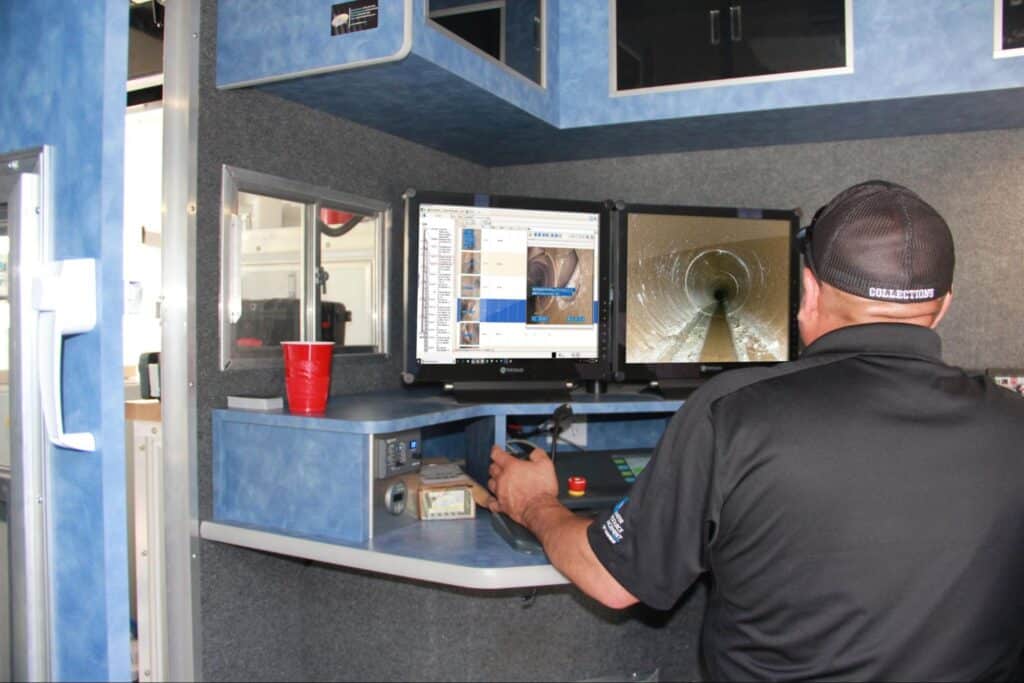
After inspections are validated, the next priority is turning that information into clear reports and connecting it directly to your asset management systems so it can drive real-world decisions.
Turning Inspection Results into Actionable Reports
Inspection findings should be organized into clear, standardized reports that summarize key defects, condition grades, and recommended actions. Visuals such as images, video clips, and simple segment summaries help stakeholders quickly understand where problems are and how urgent they are.
Integrating with GIS, CMMS, and Asset Management Systems
Integrating inspection data with GIS, CMMS, or EAM systems links each pipeline segment’s condition directly to its location and asset record. This connection streamlines work order creation, prioritization, and tracking, making it easier to coordinate field activities and long-term planning.
Supporting Risk-Based Capital and Maintenance Planning
Once integrated, condition scores and risk indicators can be used to rank assets and guide capital and maintenance decisions. This enables utilities and contractors to prioritize the highest-risk segments first and justify investments with clear, data-backed evidence.
Step 8: Schedule Follow-Ups & Maintain Equipment
With inspection findings documented, organizations must close the loop by scheduling follow-up work, planning re-inspections, and keeping all inspection and cleaning equipment in peak operating condition.
Establishing Re-Inspection and Follow-Up Schedules
Based on defect severity and asset criticality, each segment should be assigned a re-inspection or follow-up schedule. Capturing these intervals in your CMMS or asset management platform ensures that no critical segment is overlooked over time.
Coordinating Repairs, Rehabilitation, and Monitoring
Inspection results must translate into specific actions, such as spot repairs, lining, or increased monitoring. Coordinated planning between inspection, maintenance, and engineering teams ensures the right fix is applied at the right time.
Maintaining Inspection Vehicles, Cameras, and Cleaning Equipment
Post-project, all inspection and cleaning equipment should be cleaned, checked, and serviced to remain field-ready. Routine preventive maintenance and accurate service records reduce downtime, extend equipment life, and support consistent inspection quality.
The Value of Field-Ready Workflow
A successful pipeline inspection program does more than capture video; it connects field operations to long-term asset performance. By following a structured workflow—planning carefully, ensuring safe access, cleaning thoroughly, inspecting with the right tools, coding defects consistently, validating data, and then turning results into integrated reports and scheduled follow-up work—teams can transform raw footage into actionable, defensible decisions.
With the right combination of equipment, technology, and process discipline, organizations can reduce emergency repairs, target their rehabilitation dollars where they matter most, and keep essential sewer and pipeline systems running reliably. Brown Equipment Company is here to support every stage of that workflow, from inspection cameras and cleaning solutions to software and training. Contact us today to strengthen your pipeline inspection program and protect your infrastructure for the long term.