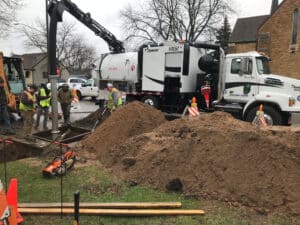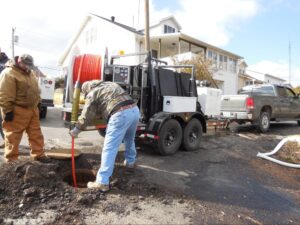
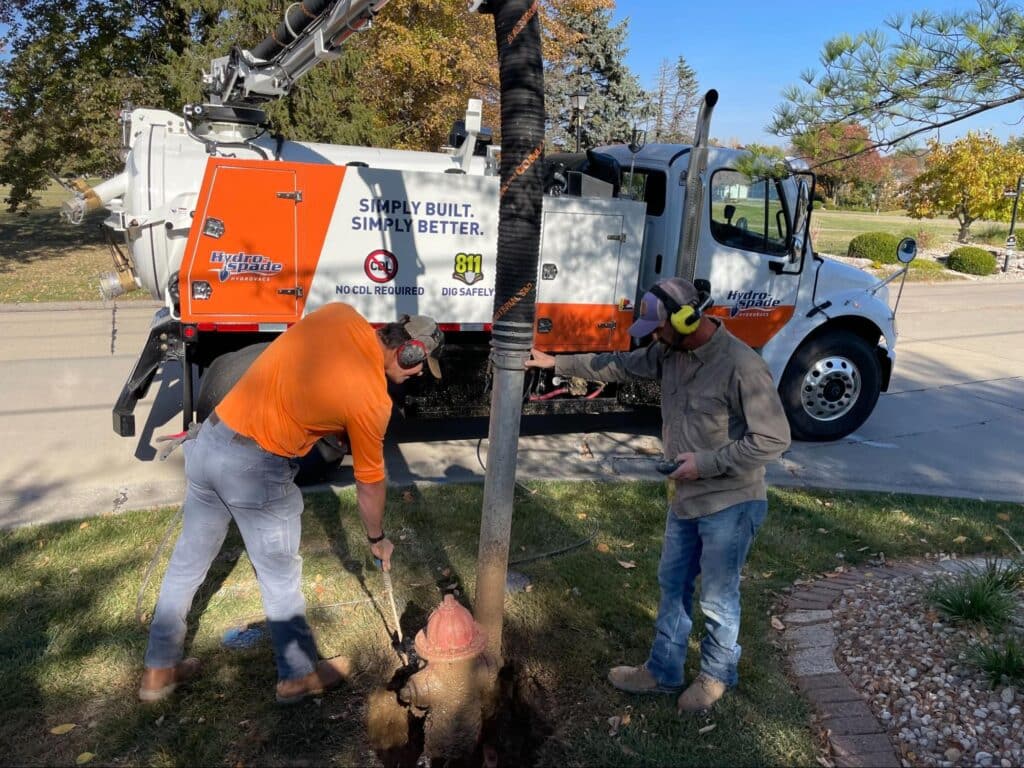
Hydrovac truck cost lands across a wide range. A new unit can list anywhere from $350K to $600K depending on tank size, boom configuration, and cold-weather package. Used trucks span $80K to $350K. Trailer-mounted alternatives start around $40K. This guide breaks down current pricing for new and used hydrovac trucks, the annual operating expense to expect once one is on your fleet, and when those numbers tip the math toward owning over continued outsourcing.
Key Takeaways
- A new hydrovac truck runs approximately $350K–$600K; the mid-range sweet spot is $420K–$520K. Used units from the 2010–2020 era typically fall between $80K and $350K.
- Annual operating cost (fuel, maintenance, insurance, storage, and operator wages) commonly lands between $45K and $120K depending on utilization.
- Outsourced hydro excavation runs roughly $375–$475 per hour; daily rentals fall in the $1,500–$3,000 range.
- Ownership typically pays off above roughly 300 billable hours per year; below that, outsourcing usually wins on pure cost.
- Trailer-mounted units lower capital outlay and crew requirements, shifting break-even down and offering a lower-risk entry into ownership.
- Hidden costs of outsourcing (scheduling risk, vendor markup, estimation variance, project-delay exposure) don’t hit the invoice but compound on a recurring line item.
Hydrovac Truck Cost: Quick Price Summary
Industry estimates place current hydro excavation truck cost ranges roughly as follows:
- New hydrovac truck: approximately $350K–$600K; mid-range sweet spot $420K–$520K
- Used hydrovac truck (2010–2020 era): approximately $80K–$350K, depending on year, hours, and condition
- Trailer-mounted hydro excavation units: entry-level small trailers start around $40K; mid-range units run $80K–$200K
- Daily rental rate: approximately $1,500–$3,000
- Annual operating cost: approximately $45K–$120K, depending on utilization
These ranges vary significantly by configuration, tank size, boom reach, cold-weather package, and dealer. Contact Brown Equipment Company for current pricing on specific configurations.
How Much Does a New Hydrovac Truck Cost?
A new hydrovac truck typically runs $350K to $600K, with most fleet buyers landing in the $420K–$520K mid-range. Price scales with capacity and configuration, not brand alone. The biggest cost drivers:
- Debris tank size (8–16 cubic yards is the common working range)
- Water tank capacity (500–1,500 gallons)
- Boom reach and articulation
- Blower size and vacuum performance
- Cold-weather package (heated water systems, anti-freeze, heated cabinetry; especially relevant for Midwest operations)
- Chassis spec (tandem vs. tri-axle, CDL vs. non-CDL where the configuration allows)
A fleet-ready unit with cold-weather package and a larger debris tank can push above $550K. A standard configuration for a utility contractor with moderate call volume typically lands closer to $450K.
Is Buying a Used Hydrovac Truck Worth It?
A well-vetted used hydrovac can deliver strong value, but cheap chassis hours are the wrong anchor. Units from the 2010–2020 era typically list between $80K and $350K, with year, hours, and pump/blower condition driving the spread.
The real risk is the component-rebuild trap. Water pumps and vacuum blowers hit major rebuild intervals that can add tens of thousands to a “cheap” purchase. A well-maintained 8,000-hour truck can outlast a neglected 4,000-hour unit. Maintenance history matters more than dashboard hours.
Two things de-risk the used path:
- Pre-purchase inspection. Have a qualified technician check the pump, blower, boom, and chassis. On a $200K used truck, it’s cheap insurance.
- Buy from a dealer that services what it sells. Brown Equipment Company’s reconditioning program and maintenance and repair services cover any brand. Used units also appear on the discounted equipment page.
What Is the Annual Operating Cost of a Hydrovac Truck?
The annual operating cost of a hydrovac truck commonly lands between $45K and $120K, with utilization, fuel prices, and insurance geography driving most of the variance. The major line items:
- Fuel. Both the chassis and the blower and pump draw fuel during active excavation.
- Operator wages. US national averages place hydrovac operator pay at roughly $22–$32/hour, higher in union markets and major metros.
- Scheduled maintenance. Blower oil changes, boom lubrication, valve servicing, and water system care on a planned interval.
- Unscheduled repairs. Hose damage, nozzle wear, and occasional hydraulic work.
- Insurance. Commercial auto plus equipment coverage; varies by state and loss history.
- Storage. Indoor or heated storage, especially in the upper Midwest where freeze protection matters through winter.
High-utilization trucks burn through consumables but spread fixed costs across more billable hours, lowering cost per hour. Low-utilization trucks invert that math, which is where outsourcing wins.
When Does Owning a Hydrovac Pay Off? The Break-Even Math
Ownership generally pays off once annual utilization clears roughly 300 billable hours. Below that, outsourcing at $375–$475/hour usually wins on direct expense. Above roughly 500 hours, ownership wins on pure cost, before factoring in scheduling flexibility or crew control.
A Simplified Break-Even Example
Illustrative only. Plug your own numbers in.
- Capital cost: $500K new truck amortized over 10 years ≈ $50K/year
- Operating cost: approximately $75K/year (fuel, maintenance, insurance, operator share)
- All-in annual ownership cost: approximately $125K/year
- Outsourced rate assumption: $400/hour
Break-even hours: $125K ÷ $400/hour ≈ 313 billable hours per year, or roughly 40 full 8-hour days.
Two factors can shift that threshold:
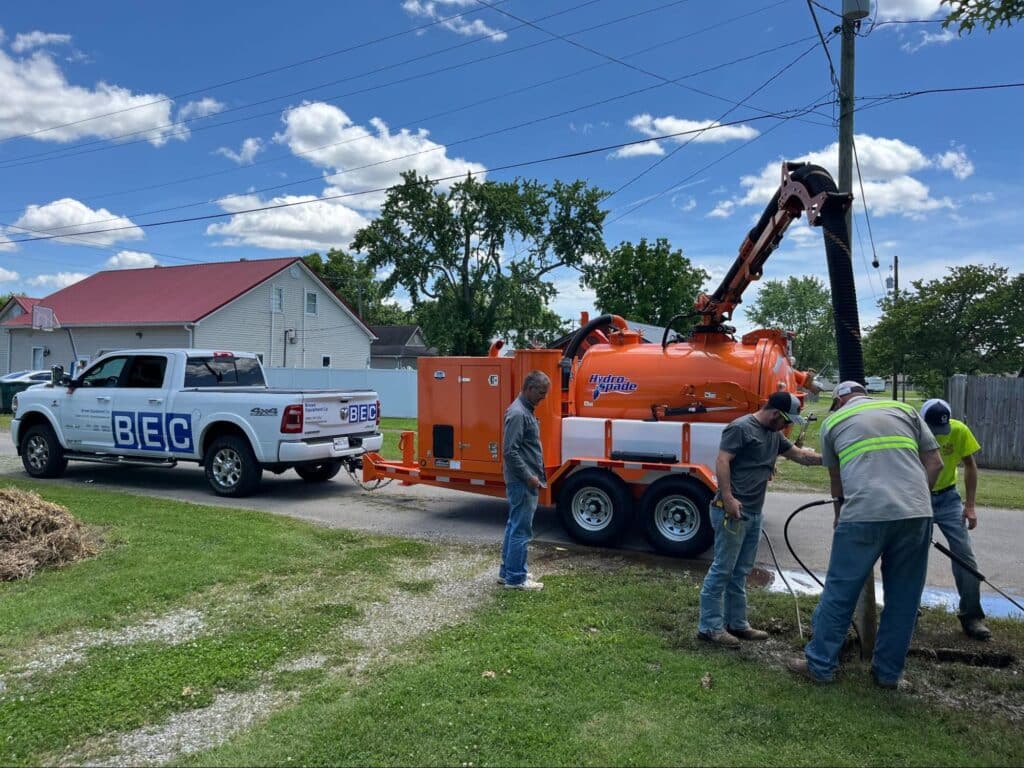
- A trailer-mounted unit lowers capital outlay (trailers run $40K–$200K vs. $350K+ for trucks) and often operates with a smaller crew, pulling break-even well below 300 hours.
- Project-delay costs from outsourced scheduling. These aren’t in the hourly comparison, but they usually hit when the outsourced crew is least available.
Think about where your hours actually come from. Lead service line replacement, slot trenching, HDD daylighting, and cold-weather hydro excavation all add utilization hours. Contractors with a diverse utility customer base hit 500+ hours faster than they expect. For a broader capex view, the renting versus purchasing heavy equipment guide covers the whole-fleet decision.
Hydrovac Truck vs. Hydro Excavation Trailer: Which Fits Your Operation?
For operations not yet clearing 500+ hydro excavation hours per year, a trailer-mounted unit is often the smarter entry point. The trade-offs fall out as follows:
| Factor | Hydrovac Truck | Hydro Excavation Trailer |
| Capital cost | $350K–$600K | $40K–$200K |
| Debris tank | Typically 8–16 cu yd | Typically 400–800 gallons |
| Water tank | 500–1,500 gallons | Often 200–500 gallons |
| Chassis / CDL | Usually CDL-required | Often no CDL required |
| Crew size | Typically 2 | Often 1–2 |
| Portability in tight sites | Lower | Higher |
| Best fit | Large-volume excavation, longer runs, municipal sewer support | Targeted potholing, smaller jobs, urban and residential work, utility daylighting |
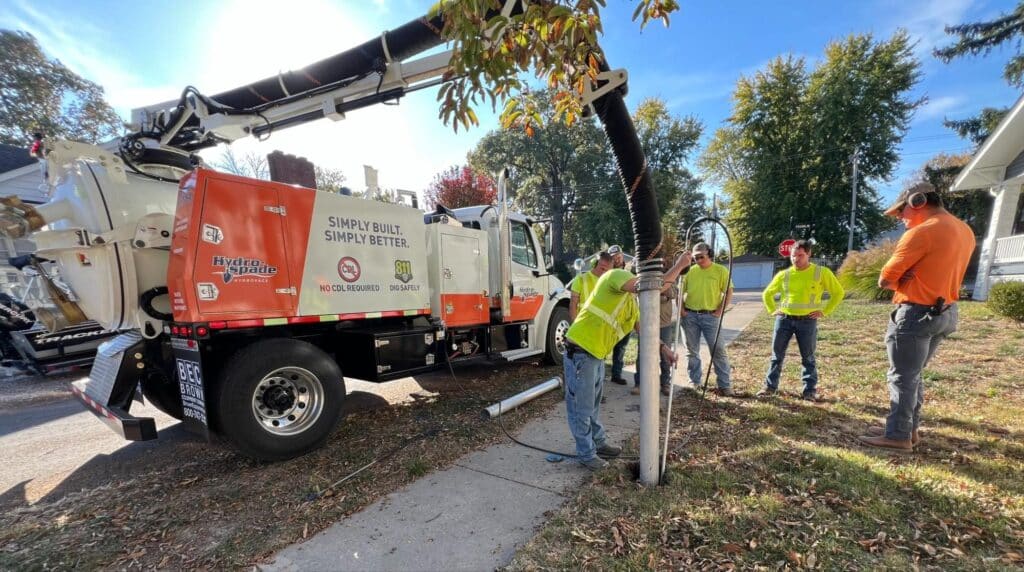
Brown Equipment Company’s Hydro-Spade line includes both truck and trailer configurations, with no-CDL chassis options on the trailer side and cold-weather systems on both. That’s the natural starting point for a truck-versus-trailer conversation with your equipment consultant at Brown Equipment Company.
The Hidden Costs of Continuing to Outsource
The subcontractor invoice is one line at one hourly rate. The real cost of outsourcing is what that line doesn’t capture.
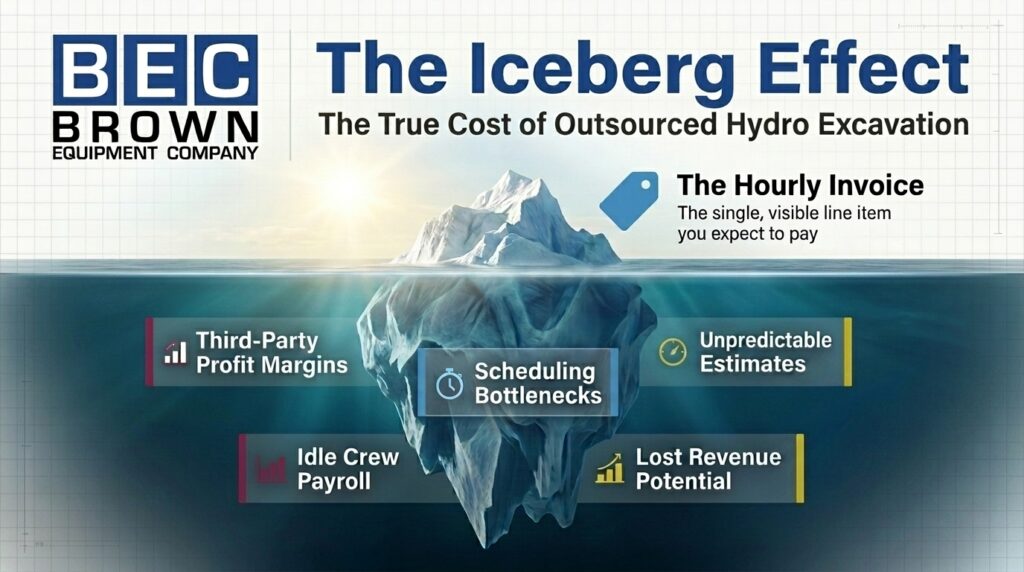
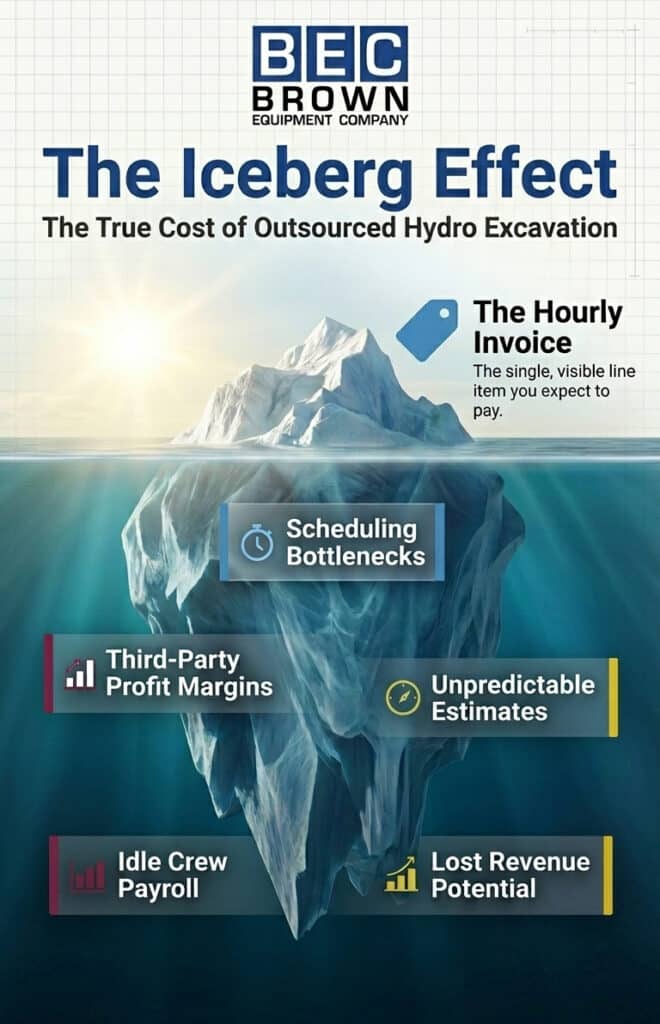
- Scheduling risk. Outsourced hydrovac crews are shared resources. Your project competes with every other job on their calendar, and when demand spikes your window slips.
- Vendor markup. The hourly rate includes the provider’s profit, overhead, and operator wages. When you own, you keep that margin.
- Estimation variance. Outsourced bids depend on variables (soil, depth, disposal distance, drive time) the contractor doesn’t control. Vermeer’s T.J. Steele has described bid accuracy for vacuum excavation as “a moving target” because those inputs aren’t always knowable up front.
- Project-delay cost. When the hydro crew is late, your HDD or construction crew stands idle. Payroll compounds against no production.
- Opportunity cost. Every outsourced hour on a recurring line item is revenue you could be keeping in-house.
None of these show up in a rate comparison. All of them hit the P&L. That’s why ownership math often looks more favorable once second-order costs are priced in.
Section 179 and Depreciation: The Tax Angle
For qualifying businesses, Section 179 expensing and bonus depreciation can meaningfully reduce the first-year tax cost of a new or used hydrovac purchase. Two practical points:
- Limits change every tax cycle. Talk to your tax advisor about current Section 179 rules, bonus depreciation schedules, and how each applies to your business structure.
- Effective cost of ownership matters more than sticker price. After tax treatment, ownership cost is typically lower than the listed price. Factor that into the break-even math above.
Frequently Asked Questions About Hydrovac Truck Cost
Is it better to rent or buy a hydrovac truck?
Renting is typically better for short-term projects, one-off jobs, or annual utilization below roughly 300 hours. Buying wins when hydro excavation is a recurring line item and utilization clears the break-even point. Daily rental rates run approximately $1,500–$3,000, which adds up fast on extended or repeating work.
How much does it cost to operate a hydrovac truck daily?
Daily direct expense (fuel, operator wages, maintenance share) commonly runs several hundred to over a thousand dollars, not counting amortized capital and insurance. Total cost per billable hour on an owned unit typically lands well below the $375–$475/hour outsourced market rate once utilization is healthy.
What are the biggest maintenance costs on a hydrovac?
The water pump, vacuum blower, and boom hydraulic systems are the top-dollar wear points. Routine costs (oil, filters, hoses, nozzles) are modest, but major component rebuilds on the pump or blower can run into tens of thousands. Ongoing preventive maintenance keeps those intervals predictable and costs contained.
How often do I need to use a hydrovac to justify buying one?
As a rule of thumb, ownership starts paying off around 300 billable hours per year against a $400/hour outsourced rate, and clearly wins above 500. A trailer-mounted unit shifts that threshold down. If you have a recurring hydro excavation line item, you probably hit break-even faster than you think.
What mistakes should I avoid when bringing hydro excavation in-house?
The operational learning curve is real. Brown Equipment Company covers common pitfalls in five costly hydro excavation mistakes: nozzle selection, water pressure management, spoil handling, and winter operations. Training and after-sales support from your dealer are what flatten that curve.
Run the Numbers with Brown Equipment Company
The ranges in this guide are starting points. Your actual hydrovac truck cost depends on configuration, options, and current pricing for the specific build you need. Reach out to the Brown Equipment Company team to spec out a build, compare truck and trailer options, and schedule a free on-site demonstration of the Hydro-Spade line.