Hydro excavation and air excavation are two leading forms of vacuum excavation that allow crews to expose buried utilities and infrastructure safely, accurately, and with far less risk than traditional mechanical digging. Instead of relying on backhoes or shovels, both methods use high-powered vacuum systems to remove soil while minimizing the chance of striking gas lines, water mains, fiber, or other critical assets.
This guide walks through how each method works, where each performs best, common challenges, and practical strategies for choosing the right approach for your site. Whether you’re a municipality, contractor, or utility owner, you’ll gain a clear framework to decide when hydro excavation makes the most sense, when air excavation is the better option, and how the right equipment and support can keep your vacuum excavation projects safe, compliant, and efficient.
Air Excavation: How It Works, When It Excels, and Its Limits
Air excavation (also called pneumatic excavation) uses compressed air and vacuum power to safely expose underground utilities while keeping soil dry and reusable. It’s especially useful where adding water is a concern or spoil reuse is a priority.
How Air Excavation Works and Key Equipment
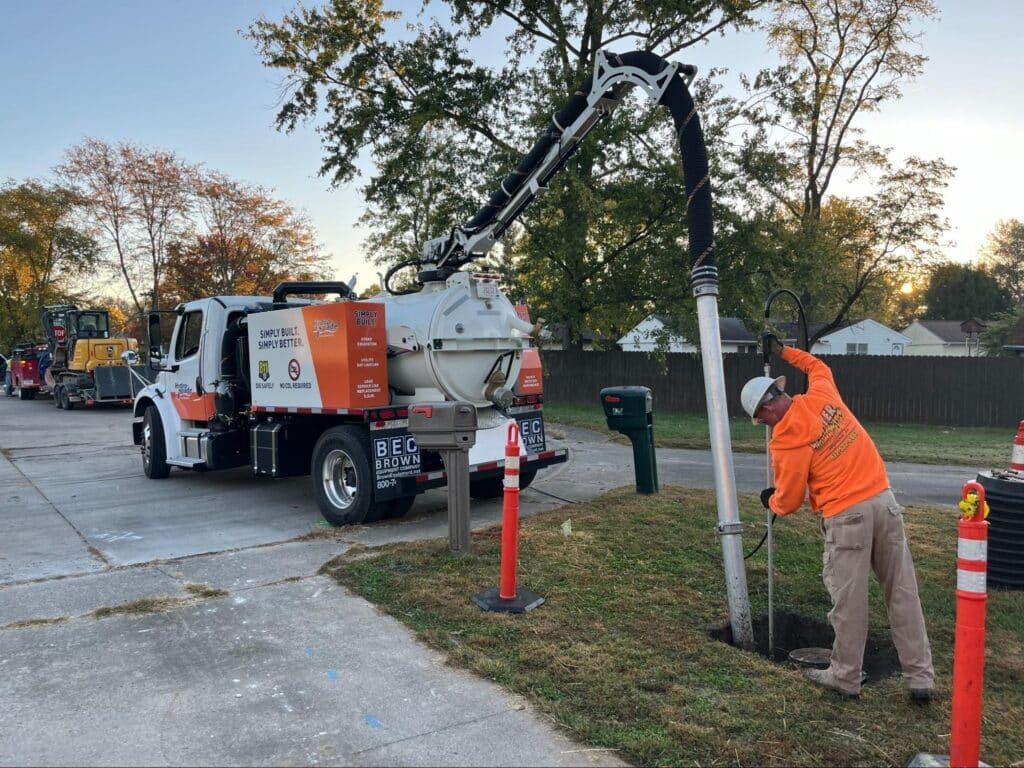
Air excavation directs compressed air through a specialized lance or nozzle to break up soil without damaging nearby utilities. The loosened, dry soil—often called dry spoils—is then vacuumed into a containment tank. Because the material stays largely dry, it can often be reused as backfill, reducing both disposal and material costs.
Key components include:
- Compressed Air System: A reliable compressor maintains the pressure needed to dislodge soil efficiently.
- Air Lances/Nozzles: Focus compressed air on precise points, allowing controlled excavation and minimal disturbance.
- Vacuum Truck or Unit: Collects and stores the dry spoils; tank size and suction power should match the project scale.
Air excavation is particularly effective in dry, loose soils and on projects where reusing excavated material delivers cost or environmental benefits.
Best Use Cases for Air Excavation
Air excavation is a strong choice when you need precise, low-moisture digging, especially in sensitive or congested areas.
Common applications include:
- Utility Pole and Fence Post Installation: Creates narrow, clean holes in dry soils with minimal surface disruption.
- Urban and Densely Populated Environments: Ideal where adding water could create mud, runoff, or site management challenges.
- Archaeological and Investigative Work:Helps preserve soil layers and artifacts by loosening rather than cutting through strata.
- Projects Prioritizing Spoil Reuse: Dry spoils can often be used as backfill, reducing hauling and disposal costs.
Challenges and Limitations of Air Excavation
While versatile, air excavation is not the best fit for every soil condition or project.
Key limitations include:
- Dense or Wet Soils: Heavily compacted or saturated ground can be slow to break up under compressed air.
- Extended Timelines on Large Projects: In stubborn soils, progress may be slower than with hydro excavation, impacting schedule.
- Dust and Debris in Arid Regions: Dry conditions may require dust suppression measures to maintain visibility and air quality.
- Equipment Demands: Compressors and vacuum units must be properly sized, maintained, and powered for efficient performance.
Hydro Excavation: How It Performs, Best Applications, and Considerations
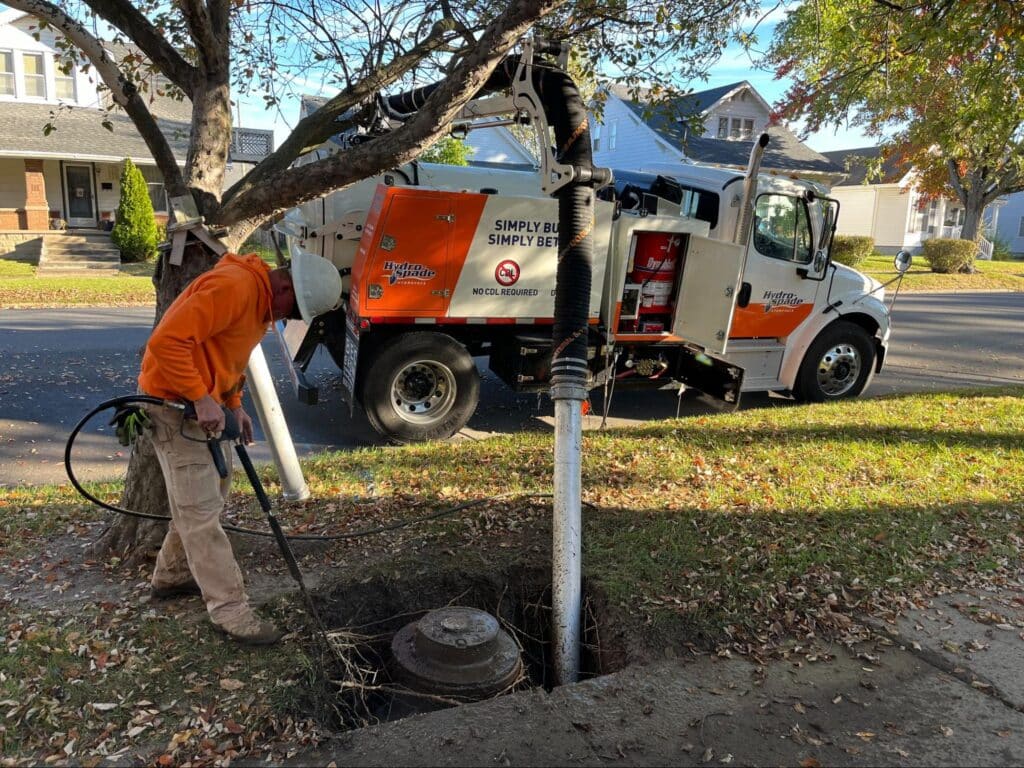
Hydro excavation combines pressurized water with powerful vacuum systems to expose buried utilities quickly and accurately. It’s especially effective in dense, compacted, or frozen soils and on large, time-sensitive projects where speed and precision are critical.
How Hydro Excavation Works and Key Components
Hydro excavation uses a high-pressure water stream to cut and loosen soil, turning it into a manageable slurry. As the soil liquefies, a vacuum hose removes the slurry in near real time and deposits it into a debris tank. This controlled process minimizes disruption and significantly reduces the risk of striking underground utilities. In colder climates, heated water systems help crews cut through frozen ground efficiently.
Key components include:
- Pressurized Water System: Delivers the water—often heated in winter—needed to break up soil in a wide range of conditions.
- Vacuum System: Collects the slurry and transfers it through a hose to the debris tank for transport and disposal.
- Debris Tank: Stores the excavated slurry until it can be disposed of in compliance with environmental regulations.
Because hydro excavation can quickly break down compacted or rocky soils, it scales well for larger projects and demanding ground conditions, often reducing labor hours and overall project timelines.
Best Use Cases for Hydro Excavation
Hydro excavation is typically the preferred method when productivity and performance in tough soils are top priorities.
Common applications include:
- Sewer, Pipeline, and Utility Maintenance: Rapidly exposes lines in varying soil conditions to streamline inspections, repairs, and tie-ins.
- Roadway and Highway Projects: Speeds up excavation for utilities and structures where lane closures and traffic impacts must be minimized.
- Large-Scale Trenching: Supports fast, accurate trenching across long runs for infrastructure and construction projects.
- Daylighting Utilities: Safely exposes buried lines for verification, inspection, or repair, especially in utility-dense corridors.
Challenges and Limitations of Hydro Excavation
Despite its strengths, hydro excavation brings added logistical and operational considerations.
Key challenges include:
- Water Sourcing and Slurry Disposal: Sufficient water supply is essential, and the resulting slurry must be transported and disposed of under local regulations.
- Additional Costs in Cold Weather: Heated water systems, antifreeze measures, and winterization can increase operating costs.
- Operator Skill Requirements: Crews must be trained to manage high-pressure water safely and operate vacuum systems efficiently.
- On-Site Logistics: Planning for water delivery, storage, and potential on-site recycling, as well as debris hauling, can add complexity to project scheduling.
Deciding Factors for Selecting the Right Method
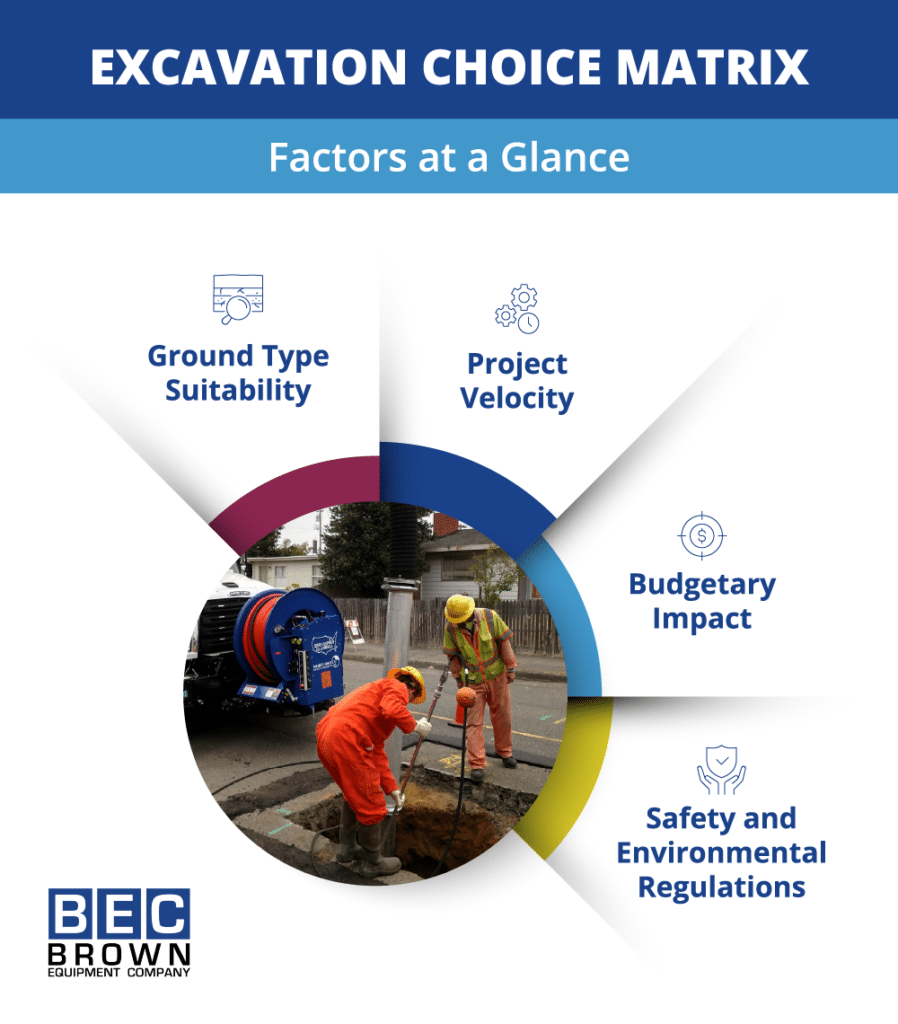
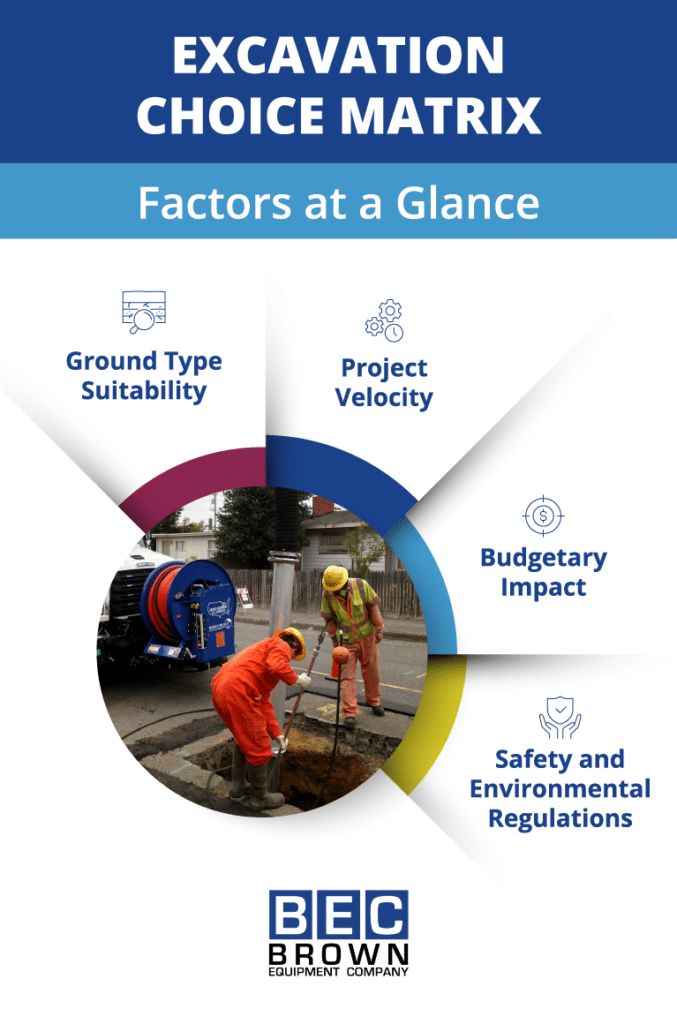
Both air excavation and hydro excavation significantly lower the risk of damaging underground utilities compared with traditional mechanical digging. However, each method offers distinct advantages depending on site conditions, project requirements, and regulatory constraints.
Soil and Site Conditions
- Loose, Dry Soil: Air excavation excels in loose, dry soil, leaving easily reusable dry materials that can function as backfill and reduce hauling costs.
- Challenging Soil Types: Hydro excavation is often more effective on dense, compacted, rocky, or frozen ground. In colder climates, heated water systems can be employed to tackle frozen ground more effectively.
- Utility-Dense Environments: Both approaches reduce the likelihood of unintended damage, but hydro excavation typically operates more quickly when soil conditions are demanding and utilities are closely clustered.
In practice, a site with highly compacted soil may experience greater overall savings if hydro excavation is used, thanks to shorter operating times.
Speed and Material Handling
- Speed in Tough Conditions: Hydro excavation often outperforms air excavation in tough conditions, as water breaks soil apart faster and can streamline maintenance, trenching, and roadway work.
- Spoil Type and Handling: hydro excavation produces a slurry that must be collected in debris tanks and disposed of in compliance with environmental regulations. Air excavation yields dry spoils that can be repurposed as backfill but may be slower when dealing with heavy clay or waterlogged environments.
Larger or time-sensitive projects often benefit from hydro excavation’s efficiency, while smaller or less urgent work in suitable soils may be well served by air excavation.
Safety and Environmental Factors
- Utility Protection and Worker Safety: Both methods are minimally invasive when used correctly. Operators should be trained in each method’s specific safety requirements, including appropriate compression settings or water pressures and proper use of vacuum systems, and follow OSHA’s trenching and excavation safety guidelines.
- Water Use, Slurry, and Dust: Air excavation uses little to no water and avoids managing slurry, but in arid regions dust suppression measures may be necessary. Hydro excavation relies on adequate water sourcing and must ensure environmentally sound slurry disposal.
- Environmentally Sensitive Sites: In environmentally sensitive locations or areas with strict regulations, air excavation may be favored to reduce water usage and simplify disposal—unless water management strategies for hydro excavation are meticulously planned. Where natural habitats or protected regions exist, using non-destructive methods with proper dust control or specialized disposal procedures promotes responsible site stewardship.
Cost Considerations and Long-Term Value
- Initial and Operating Costs: Hydro excavation systems may carry higher upfront costs, especially when water heating systems are included. It can save on labor due to faster digging but requires water sourcing, transport, and slurry disposal management. Air excavation may involve extended labor on difficult soils but can reduce water-related and disposal costs.
- Long-Term Value: For operations with frequent excavation tasks, choosing the method that achieves the quickest operational efficiency under typical soil and regulatory conditions can lead to significant savings over time. In some jurisdictions, disposal infrastructure or city/municipal regulations may be the deciding factor.
Consultation with experienced professionals can help balance these variables. A rigorous, upfront assessment of soil, regulations, and project goals leads to safer operations, controlled costs, and optimal outcomes when choosing between air excavation and hydro excavation.
Brown Equipment Company’s Excavation Equipment Solutions
At Brown Equipment Company, we recognize that each excavation project has unique requirements. We provide specialized equipment and full-service support to address varying conditions across municipal, industrial, and commercial sectors. Whether your tasks involve routine maintenance or large-scale construction, our range of modern tools and services keeps projects on track.
Our Offerings Include
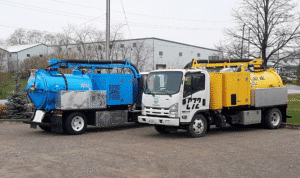
- Hydro Excavators: Purpose-built hydro excavation trucks and trailers that combine high-pressure water and powerful vacuum systems for safe, precise, non-destructive digging in challenging soil conditions.
- Sewer Cleaning Trucks: Our sewer cleaning trucks can integrate hydro excavation capabilities for a comprehensive maintenance solution.
- Hydro Excavation Accessories: From specialized nozzles to high-capacity vacuum systems, we provide a suite of components to optimize hydro excavation processes.
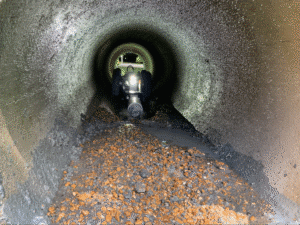
- Advanced Camera Inspection Systems: Our advanced camera inspection systems enable accurate assessments before and after excavation.
- Vacuum Equipment for Air Excavation: Designed for dry material removal, these systems feature robust suction power and straightforward operation.
Our Services
- Maintenance and Repairs: From routine inspections to specialized repairs, we ensure your equipment remains operational and compliant with all safety standards.
- Custom Builds and Modifications: We tailor equipment setups for your project’s specifications, aiming for enhanced performance.
- Reconditioning Solutions: By disassembling, refurbishing, and re-testing equipment, we help extend its operating life for continued reliability.
Brown Equipment Company’s emphasis on individualized solutions and customer support aligns perfectly with the evolving needs of public works departments, large contractors, and private industries. Our goal is to streamline your excavation processes so you can focus on completing projects safely and efficiently.
Future Trends and Innovations in Excavation Technology
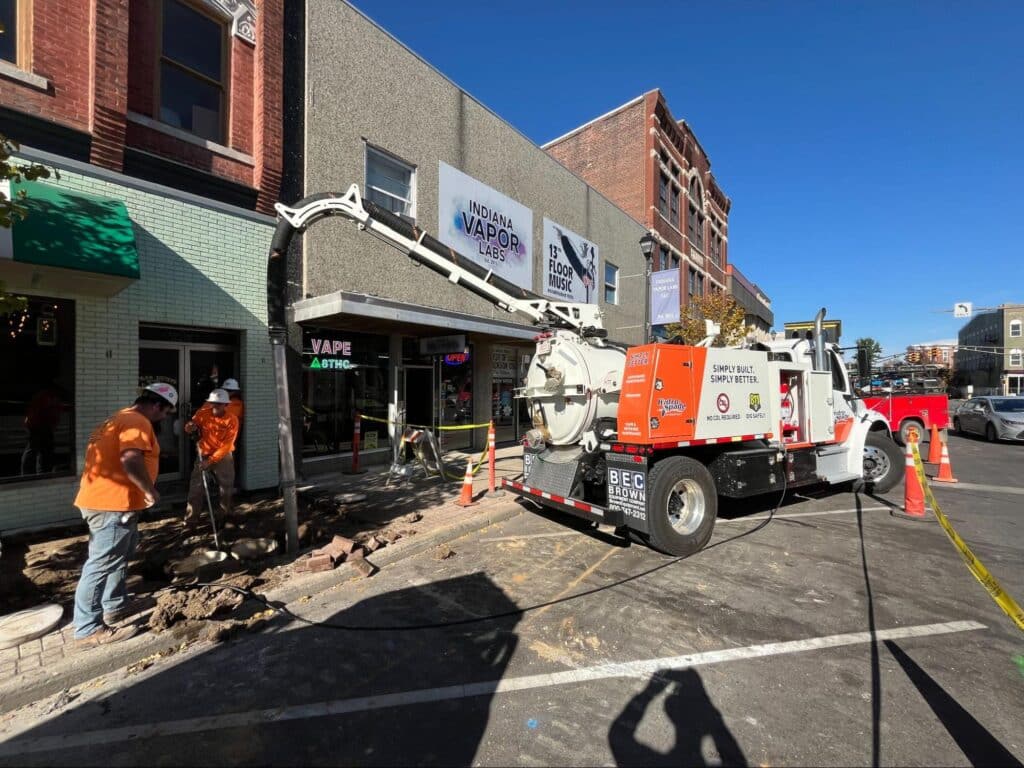
Excavation technology is rapidly evolving toward greater efficiency, safety, and environmental responsibility. Expect more automation and sensing on vacuum trucks and excavation units, with systems using real-time data to detect soil conditions and subsurface anomalies, reduce errors, and speed up work.
Robotics and remote-operated equipment are emerging for hazardous or hard-to-reach sites, lowering risk to workers. At the same time, user-friendly controls and predictive maintenance tools will help cut downtime. Eco-focused upgrades—such as water recycling for hydro excavation and improved dust filtration for air excavation—will become more common as agencies and contractors work to meet stricter environmental standards.
Together, these trends point to a future of smarter, data-driven, and more sustainable excavation practices for municipalities, utilities, and contractors.
Choosing the Right Vacuum Excavation Method
Hydro excavation and air excavation stand at the forefront of modern, non-destructive digging, offering precise, safe, and efficient alternatives to traditional mechanical methods. Their ability to handle a wide range of ground conditions makes them indispensable for today’s infrastructure, utility, and construction projects. Choosing between hydro and air excavation ultimately comes down to a blend of factors: soil type and moisture, project urgency, budget, safety requirements, and environmental constraints. By carefully weighing these variables and planning your excavation approach up front, you can improve reliability, control costs, and enhance safety on every job.
Ready to optimize your excavation process? Contact Brown Equipment Company today to discuss your project needs and explore our range of cutting-edge excavation equipment solutions.