When aging equipment starts driving up repair bills, the question isn’t just whether to fix it. For municipalities and contractors managing tight capital budgets, heavy equipment reconditioning offers a compelling alternative to replacement that many fleet managers underutilize. This guide covers what the process involves, how to identify when reconditioning makes financial sense, and what BEC’s service includes.
Key Takeaways
- Heavy equipment reconditioning is a comprehensive rebuild that restores a unit to like-new operating condition: full disassembly, component replacement, subassembly rebuilding to manufacturer specs, professional repainting, and OEM parts throughout.
- Reconditioning can cost substantially less than purchasing new equipment, with actual savings depending on the unit’s age, condition, and scope of work identified during inspection.
- Strong reconditioning candidates have a sound structural frame, high replacement cost, documented maintenance history, and meaningful remaining service life once restored.
- Budget-constrained local agencies are extending fleet service life through reconditioning rather than following scheduled replacement cycles, a documented trend across municipal fleet management.
- BEC’s reconditioning service covers sewer and hydro excavation equipment, street sweepers, hot boxes and patching equipment, leaf collector trailers, material handlers and spreaders, and tractors and mowers.
- BEC uses OEM components throughout and offers a buy-back option if reconditioning is not cost-effective after inspection.
What Does Heavy Equipment Reconditioning Include?
Heavy equipment reconditioning is a systematic rebuild process that restores a used unit to like-new operating condition. It covers the entire unit, not just the component that failed.
BEC’s reconditioning process includes:
- Full disassembly and inspection of the unit
- Replacement of all wear components and hoses
- Every subassembly rebuilt to manufacturer specifications
- Sandblasting and professional repainting
- New decals applied on request
- OEM components used throughout
- A buy-back or disposal option if reconditioning is determined not to be cost-effective after inspection
The use of OEM parts matters for this audience. For a public works fleet or a contractor crew that depends on equipment uptime, OEM components provide the performance reliability of a new unit at a lower total cost. BEC sources OEM parts through their parts inventory to support every reconditioning project.
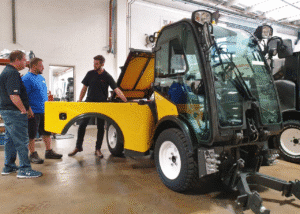
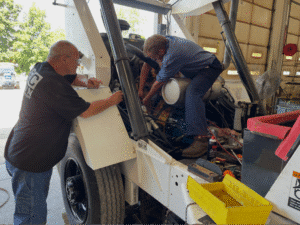
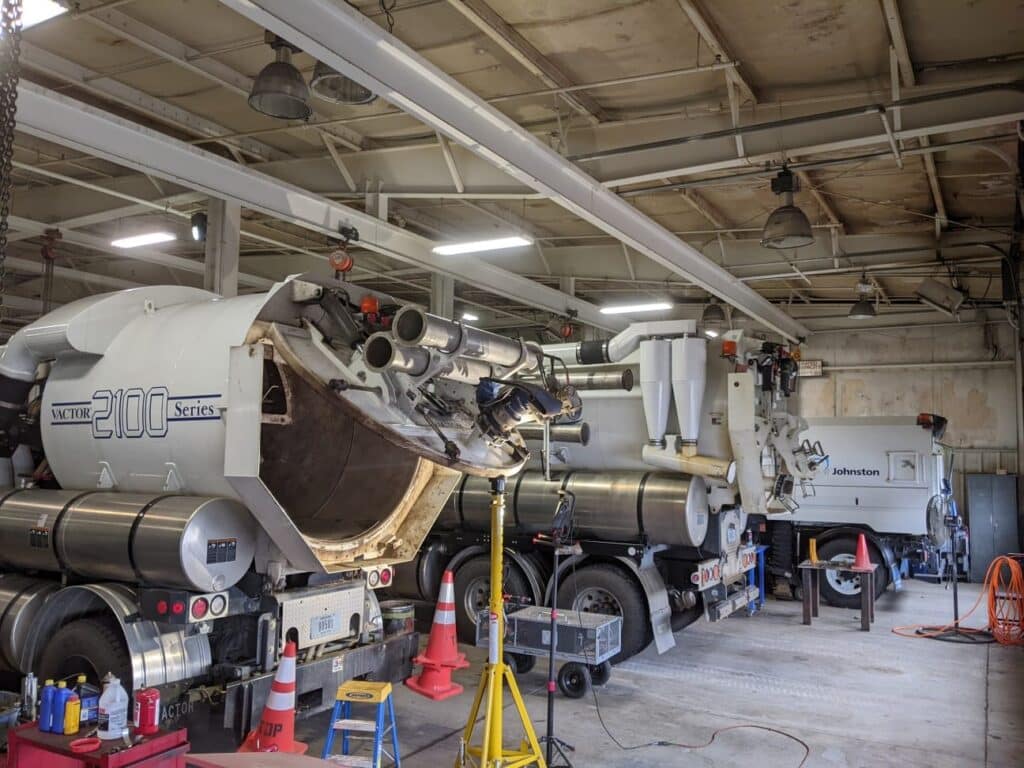
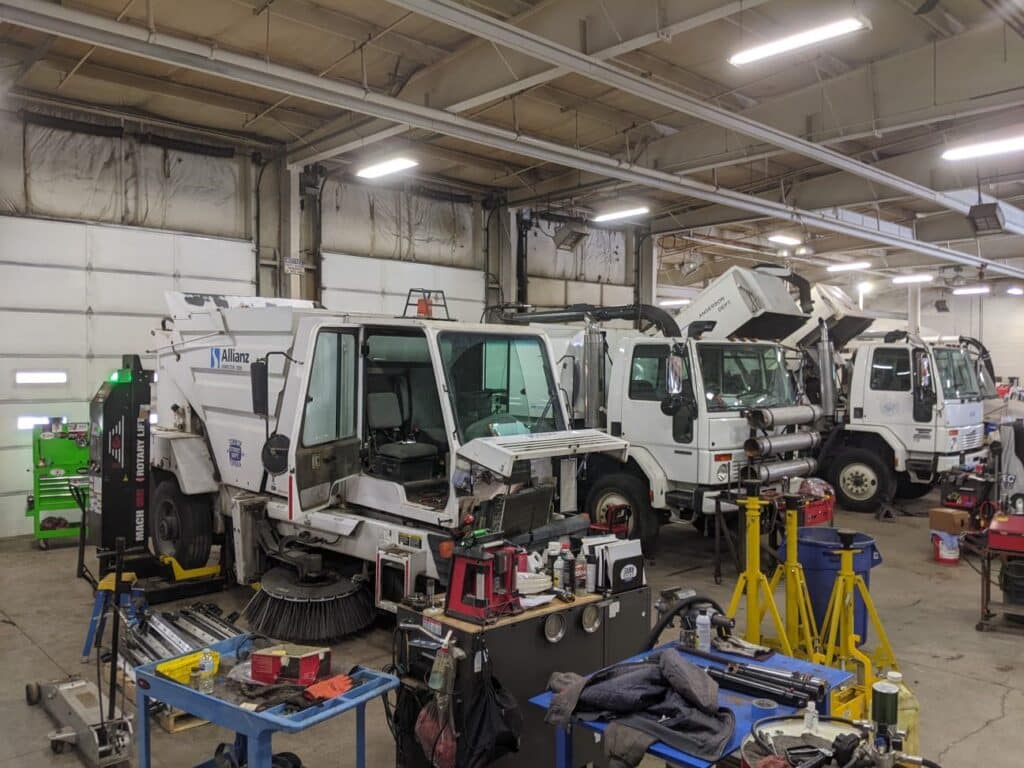
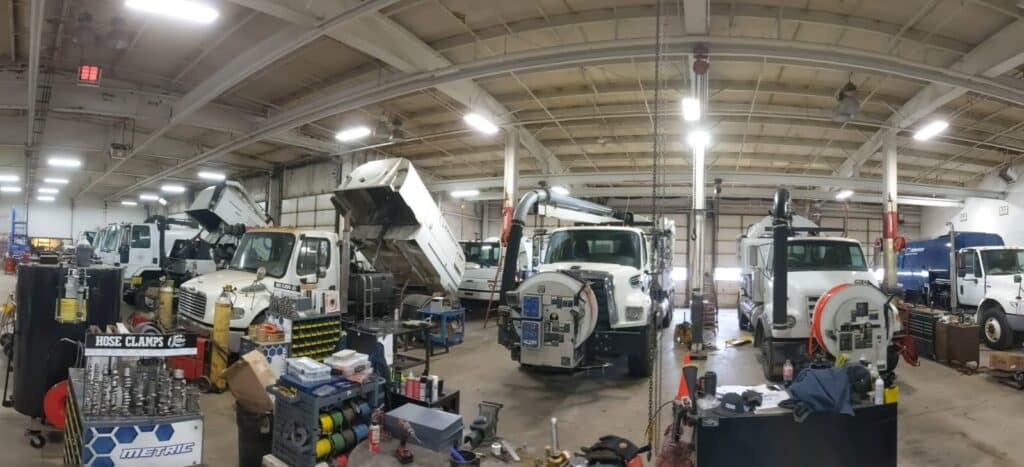
See what the work actually looks like. BEC’s service technicians handle reconditioning and repair work across the company’s service centers — here’s a look at a day on the floor.
How to Know If Your Equipment Is Worth Reconditioning
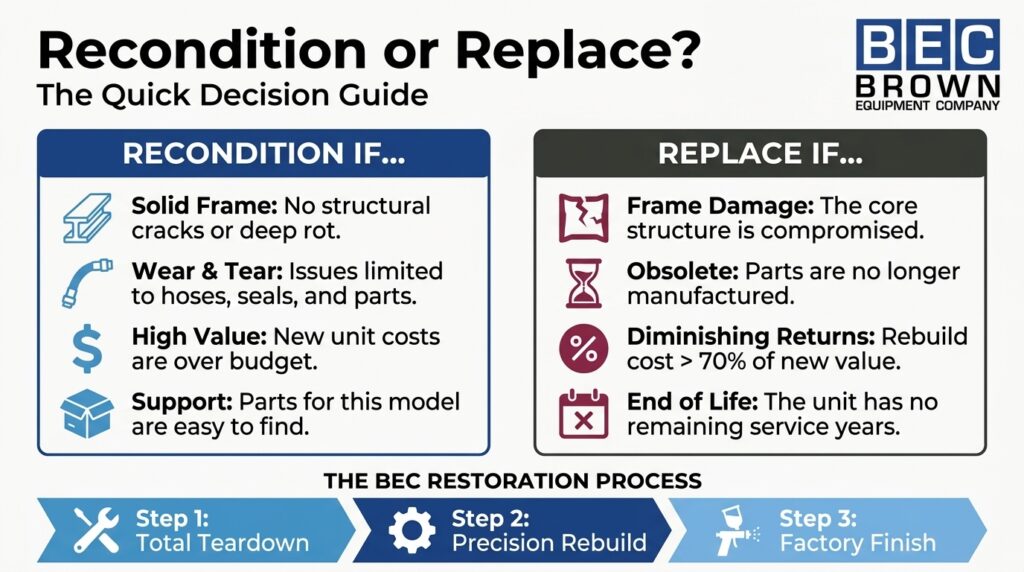
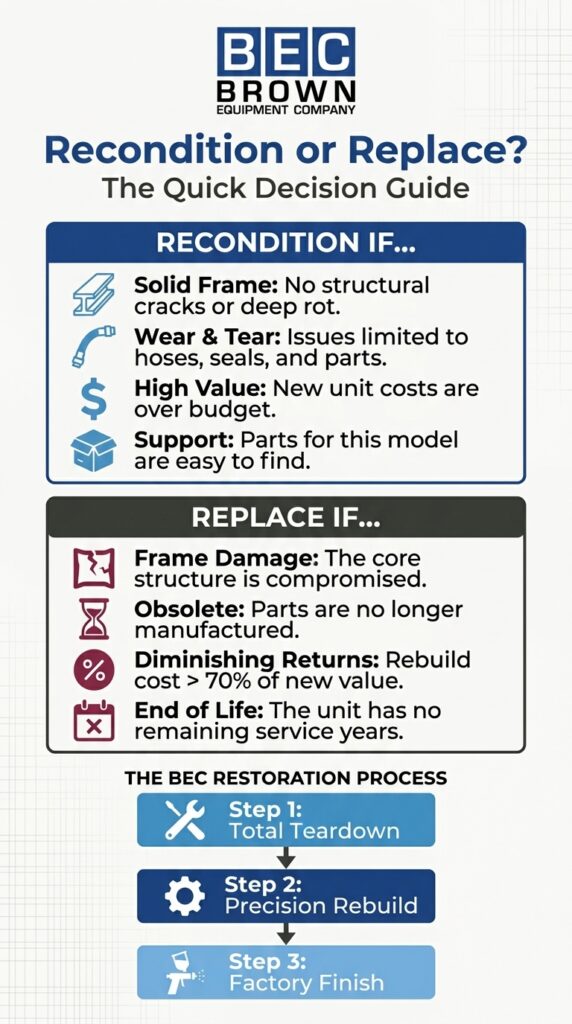
The right time to recondition is when a unit’s core structure is still sound, its replacement cost is high, and the cost of a full rebuild is substantially lower than purchasing new or quality used equipment. There is a useful middle zone in any piece of heavy equipment’s service life where wear components, hoses, and subassemblies have degraded, but the frame, body, and core systems remain viable. That is the reconditioning window.
Strong reconditioning candidates typically share these characteristics:
- The structural frame and body are in sound condition
- Repair costs are escalating from worn wear components, not structural failure
- The unit carries high replacement cost (sewer cleaning trucks and hydro excavation equipment, for example)
- The unit has meaningful remaining useful life once restored
- Lead times on new equipment are extended or supply is constrained
- The unit has strong OEM parts availability and manufacturer product support
By contrast, these conditions point toward replacement:
- Structural or frame damage that a rebuild cannot address
- OEM product support and parts are obsolete for the model
- Total reconditioning cost approaches or exceeds the value of a quality reconditioned replacement
- The unit is at the far end of its service life for its class
For a broader framework on when to repair, recondition, or replace, the BEC post on repair vs. replacement for heavy equipment covers the full decision tree.
What Reconditioning Costs Compared to Buying New
Reconditioning can cost substantially less than purchasing new. The actual difference depends on several factors assessed during the initial inspection:
- The unit’s age and overall condition at time of assessment
- How many wear components, hoses, and subassemblies require replacement
- Whether the structural frame requires any repair work before rebuild
- The equipment type and availability of OEM parts for that model
Equipment and vehicle costs have risen to the point that it is “changing the ways that local agencies manage their fleets,” as documented in Minnesota DOT fleet management research. More public works departments are extending service life through reconditioning rather than following scheduled replacement cycles, precisely because capital budgets cannot absorb routine new-equipment purchases at the pace operations require.
For a framework on evaluating total cost of ownership across fleet decisions, the BEC post on municipal heavy equipment cost evaluation covers the full TCO approach.
What Types of Municipal Equipment Can Be Reconditioned?
BEC’s reconditioning service applies to the broad range of equipment the company sells and services. The six equipment categories covered include:
- Sewer and hydro excavation equipment
- Street sweepers
- Hot boxes and patching equipment
- Leaf collector trailers
- Material handlers and spreaders
- Tractors and mowers
The service is not limited to equipment originally purchased from Brown Equipment Company. BEC works on any brand or model, meaning fleet managers running equipment from multiple manufacturers can work with a single service provider for reconditioning assessments.
For departments looking for used equipment available for immediate deployment, BEC’s discounted heavy equipment inventory lists units ready to work.
Frequently Asked Questions About Heavy Equipment Reconditioning
What is the difference between reconditioning and a standard repair?
A standard repair addresses a specific failure or worn component. Reconditioning is a complete rebuild: full disassembly, inspection, replacement of all wear items, and rebuilding of every subassembly to manufacturer specifications. A reconditioned unit is restored to full operating condition across the board, not just at the point of failure. For standard repair and maintenance needs, BEC’s maintenance and repairs service handles those separately.
Can BEC recondition equipment I didn’t buy from them?
Yes. BEC’s reconditioning service is not limited to equipment originally purchased from Brown Equipment Company. The process applies to any brand or model. If your fleet includes units from multiple manufacturers you’re considering reconditioning, contact BEC to schedule an assessment.
How do I know if reconditioning is cost-effective for my equipment?
The assessment after initial disassembly and inspection gives the most accurate picture. BEC includes a buy-back or disposal option in the process if reconditioning is determined not to be cost-effective after inspection, so the commitment doesn’t require a final answer upfront. Before that point, structural condition, parts availability, and total reconditioning cost relative to replacement value are the key factors to evaluate. The BEC post on optimizing equipment lifecycle management covers how to build this kind of analysis into a longer-term fleet strategy.
How long does heavy equipment reconditioning take?
Timeline depends on the unit’s size, condition, the scope of work identified during inspection, and the time of year the unit is being serviced. Contact Brown Equipment Company directly to discuss your specific unit and get an accurate estimate. The initial assessment gives the clearest picture of what the project involves.
Is reconditioning available for older equipment?
Age alone is not the determining factor. Structural condition, parts availability, and the cost-to-value ratio at the time of assessment are what drive the decision. Units with sound frames and documented maintenance histories can be strong reconditioning candidates regardless of age. The BEC inspection process is designed to surface that answer before any work begins.
Talk to BEC About Your Fleet Equipment
If you’re managing aging equipment and weighing your options, BEC’s reconditioning service is a resource worth engaging early in the decision. Brown Equipment Company works with municipalities and contractors across Indiana, Kentucky, Ohio, Illinois, Michigan, and Wisconsin to assess equipment, scope reconditioning projects, and keep critical operations productive.
Ready to find out whether reconditioning makes sense for your fleet? Contact Brown Equipment Company to discuss your needs.