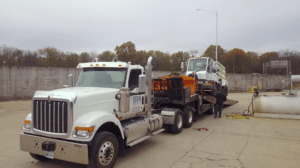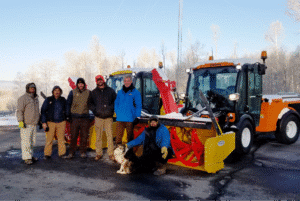
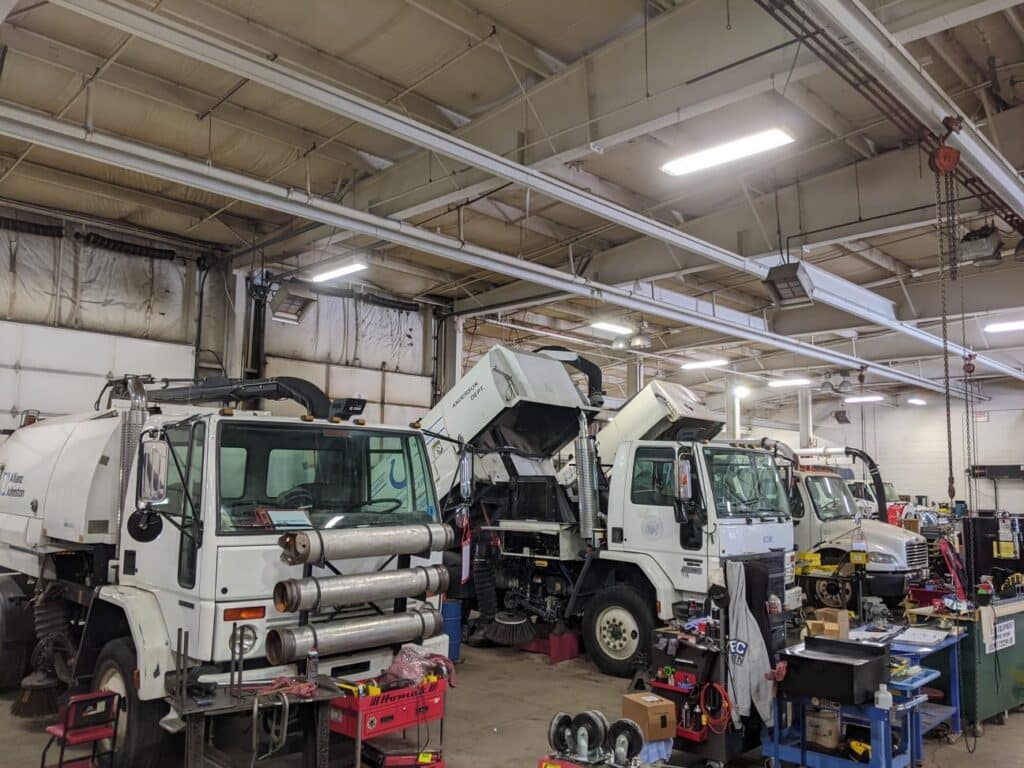
Effective fleet maintenance budgeting is the backbone of reliable municipal operations. By planning meticulously, municipal fleet managers can ensure uninterrupted service—from sanitation trucks to snowplows—while minimizing downtime and costly repairs. Smarter budgeting starts with reviewing historical data, aligning expenses with operational priorities, and proactively accounting for both routine upkeep and unforeseen repairs. A robust budgeting process reduces surprises and builds public confidence by keeping vehicles maintained efficiently and reliably.
This guide equips municipal fleet managers with actionable strategies to develop budgets that address both immediate needs and future challenges while streamlining maintenance processes.
Common Pitfalls in Municipal Fleet Budgeting
Municipal fleet budgets can become vulnerable due to several recurring issues:
Over-Reliance on Simple Percentage Increases
Using a fixed percentage increase from the previous year often ignores changes in vehicle age, service shifts, and emergency repair risks. Such methods may lead to chronic underfunding of essential repair and preventive measures.
Neglecting Preventive Maintenance
Insufficient investment in preventive maintenance can trigger unexpected breakdowns that disrupt services and incur higher repair costs. Without clear guidelines and consistent upkeep, fleets risk longer downtimes and increased long-term expenses.
Narrow Focus on Vehicles in Isolation
Budgets that address only individual vehicle costs miss the broader context of service mandates. Effective planning requires a holistic approach that aligns expenditures with services such as road maintenance, sewer management, and public safety, ensuring that funding supports comprehensive fleet operations.
The Two-Bucket Model: Planned Maintenance vs. Unplanned Repairs
A clear division between planned maintenance and unplanned repairs helps illuminate spending patterns and identify areas for improvement.
Planned Maintenance Costs
Planned maintenance covers routine tasks that keep fleets operating smoothly. This includes:
- Regular oil changes, filter replacements, and safety inspections.
- Scheduled brake, tire, and fluid maintenance per manufacturer guidelines.
- Routine cleaning and tune-ups that minimize wear and extend vehicle lifespan.
These predictable tasks allow for accurate forecasting. Investing in preventive care reduces overall wear and mitigates both downtime and long-term repair costs.
Unplanned Repair Costs
Unplanned repairs are triggered by unexpected failures, accidents, or environmental impacts. Although these costs can be harder to predict, analyzing historical data provides a basis for creating contingency reserves. By closely tracking incidents, fleet managers can allocate funds for emergencies and limit the impact of unforeseen events. Proactive strategies for unplanned repairs help keep service disruptions to a minimum.
Essential Components of a Fleet Maintenance & Repair Budget
A comprehensive fleet budget incorporates every facet of maintenance, ensuring no critical expense is overlooked.
Labor Costs
This category includes wages and benefits for in-house technicians, overtime for emergency repairs, and fees for specialized or outsourced work. It also includes professional development, such as training programs that keep technicians updated on advanced maintenance practices.
Parts and Consumables
Plan for routine replacement parts—oil, coolant, brake pads, filters—and account for bulk purchases and potential vendor discounts. Effective inventory management averts shortages and avoids carrying excessive stock.
External Vendor Services
Some repairs or specialized services fall outside in-house capabilities. Include costs for:
- Unique or custom repairs.
- Specialty services to reduce vehicle downtime.
- Occasional consulting to enhance maintenance workflows.
Tools and Technology
Modernizing operations boosts efficiency. When evaluating equipment costs, consider long-term value alongside the initial price tag. In this category, allocate funds for:
- Diagnostic equipment capable of rapidly identifying issues.
- Advanced fleet management software that tracks service history, maintenance schedules, and inventory levels.
- Telematics for real-time performance monitoring.
Training and Safety
Regular training reduces errors and promotes a proactive maintenance culture. Budget for:
- Advanced maintenance seminars and courses.
- Formal safety programs.
- Thorough onboarding for new technologies and fleet management tools.
Inventory Management
Implement procurement and storage practices that prevent disruptions without incurring large surpluses:
- Align stock levels with historical usage patterns.
- Develop strategic vendor relationships for reliable parts delivery.
- Conduct periodic audits to adjust minimum and maximum inventory thresholds.
Contingency Reserve
A well-founded budget must include a financial buffer for emergencies. Referencing contingency reserve guidelines, set aside a portion of funds dedicated to unforeseen issues such as natural disasters, unexpected equipment failures, or supply chain disruptions.
A Data-Driven Process for Maintenance Budgets
Accurate forecasting stems from systematic analysis and real-world data. Municipal managers can follow these steps to develop a dynamic, realistic budget:
Step 1: Gather Historical Data
Collect comprehensive cost records:
- Expenditures for routine services, major repairs, and vehicle categories.
- Frequency of emergency fixes, noting cost fluctuations by season.
- Labor details, including wages and overtime spending.
- Seasonal and operational changes that may influence service demand.
Step 2: Adjust for Utilization and Seasonality
Refine historical data by considering:
- Varying use rates among different vehicles.
- Seasonal factors (e.g., winter operations) that intensify vehicle wear.
- Climate or environmental conditions that accelerate equipment deterioration.
Step 3: Develop Multiple Forecasting Scenarios
Addressing uncertainty is simpler with a few targeted projections:
- Best-Case: Strong preventive maintenance culture with minimal disruptions.
- Worst-Case: Severe breakdowns, expensive parts, or inflation spikes.
- Realistic: An evidence-based scenario that averages your known costs.
Step 4: Incorporate External Cost Drivers
Factor in influences beyond your direct control:
- Material cost inflation and potential labor market shifts.
- Vendor lead times or backorders for critical parts.
- New legislation or environmental guidelines requiring additional expenses.
Strategies to Minimize Budget Surprises
Maintaining a flexible, adaptive structure keeps budgets stable when unexpected costs arise.
Regular Budget Reviews
Monthly or quarterly reviews help:
- Compare actual expenditures to forecasts, uncovering variances early.
- Pinpoint overspending and eliminate waste.
- Ensure continuous alignment between budget allocations and operational realities.
Establishing Spending Thresholds
Spending thresholds can tame emergency costs:
- Predefine approval levels for large expenditures.
- Invoke multi-level oversight to enhance accountability and transparency.
- Document clear rules for urgent but high-cost repairs.
Optimizing Preventive Maintenance
Proactive inspections and routine care reduce cost spikes:
- Comply with manufacturer schedules.
- Keep detailed service records to identify patterns in breakdowns.
- Regularly review performance data, adjusting schedules to match real-world conditions.
Enhancing Fleet Scheduling
Smart scheduling avoids overburdening specific vehicles:
- Rotate equipment strategically to distribute workload.
- Plan maintenance when vehicles are least needed for service.
- Even out usage to prolong asset lifespans and prevent consistent wear.
Repair vs. Replace: Navigating Capital Decisions
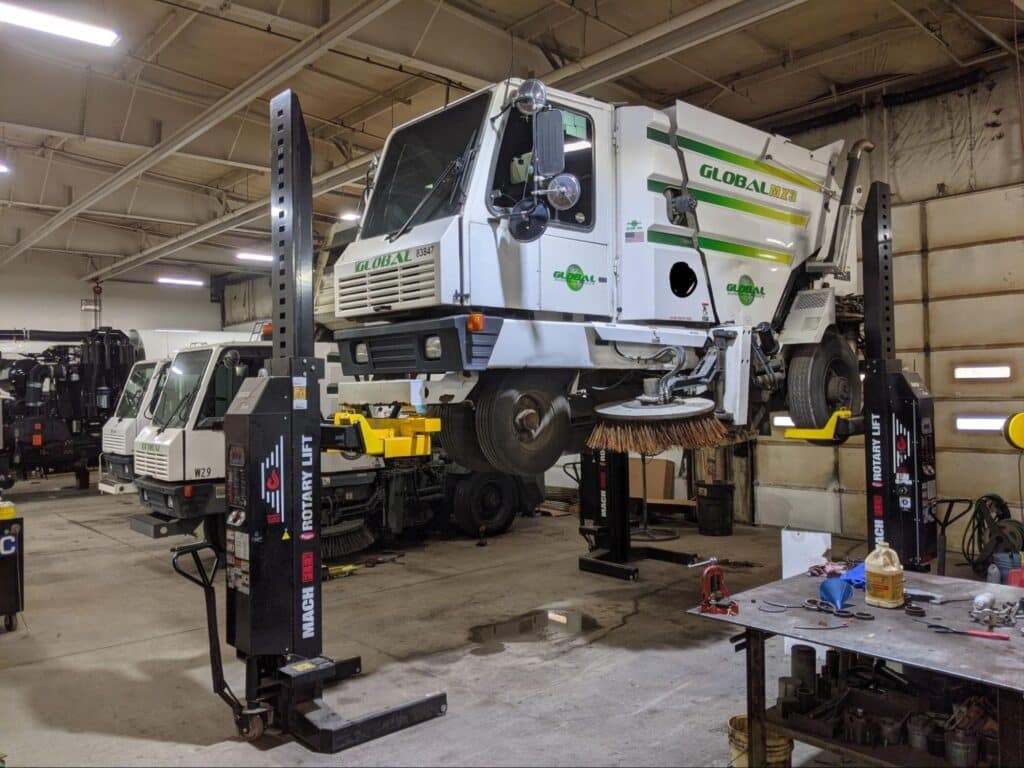
Striking the right balance between repairing existing assets and investing in new equipment is crucial to sustained reliability and cost-effectiveness.
Recognizing Replacement Signals
Signs that replacement may be more economical include:
- Rising repair costs that outpace the vehicle’s residual value.
- Persistent mechanical failures affecting critical services.
- Ongoing safety concerns that jeopardize compliance.
- Excessive downtime due to parts scarcity.
Planning around these replacement signals ensures that fleets remain dependable without draining funds on recurring fixes.
Lifecycle Planning
Use a lifecycle approach to budget effectively:
- Assess the total cost of ownership by weighing present repair bills against potential capital outlays.
- Build internal consensus for replacements by illustrating ROI through reduced downtime.
- Incorporate forecasted repair costs into proposals, emphasizing long-term savings.
Repair Versus Replace
Every repair versus replace decision has operational implications. Summarize historical costs, potential future repairs, and service requirements to determine which route aligns best with reliability goals.
How Technology Strengthens Your Budget
The right tools don’t just improve fleet operations; they produce the data that makes your budget more accurate and easier to defend.
Telematics and Real-Time Monitoring
- Tracks vehicle usage, engine hours, and driver behavior in real time.
- Replaces estimates with forecasts grounded in actual utilization rates.
- Catches emerging problems before they become expensive emergency repairs.
Predictive Analytics
- Pairs historical repair data with current operational metrics to flag vehicles trending toward costly failures.
- Shifts spending from reactive repairs to planned interventions.
- Tightens the gap between projected and actual maintenance costs with each budget cycle.
Fleet Management Software
- Consolidates service records, parts inventories, and expense tracking in one platform.
- Automates maintenance reminders to keep preventive schedules on track.
- Provides reporting dashboards that organize data to support budget requests.
Continuous Improvement Through Feedback
- Collects input from operators, technicians, and managers after each budget cycle.
- Uses feedback to adjust cost allocations and update forecasting models.
- Addresses small variances early before they become major overruns.
How a Strong Service Partner Reduces Budget Volatility
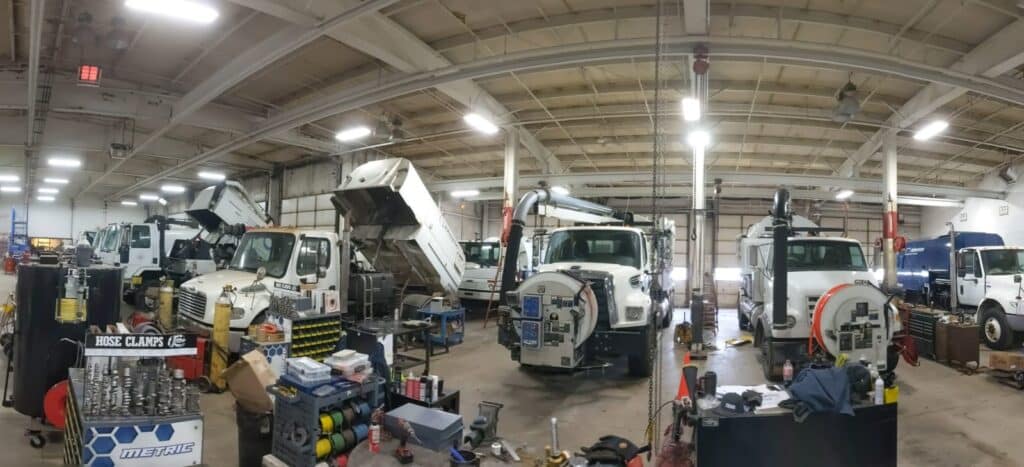
Even the best budgeting process can be undermined by unreliable equipment support. A dedicated service partner helps smooth out the unpredictable costs that strain municipal maintenance budgets. Brown Equipment Company, established in 1968 with seven service centers located across the Midwest, works alongside municipal fleet teams to reduce the financial surprises that derail annual plans.
- Preventive maintenance programs and documented history. Tailored maintenance schedules built around actual usage and operating conditions keep equipment running reliably. Routine inspections catch emerging issues early, and comprehensive service records support accurate budget forecasting while preserving resale value.
- Faster parts access and reduced downtime. A robust OEM parts inventory with prompt delivery or pickup options keeps repair turnarounds short. For specialized municipal equipment like sewer trucks, street sweepers, and snow removal vehicles, ready access to the right components prevents minor fixes from escalating into major budget hits.
- Reconditioning as a budget relief valve. When equipment is too costly to keep repairing but a full replacement isn’t in the budget, reconditioning offers a practical middle path. Restoring aging machines to like-new condition extends their service life and defers larger capital outlays, giving the budget room to absorb other priorities.
From preventive maintenance programs and OEM parts support to full equipment reconditioning, the right service partner helps turn unpredictable repair costs into manageable, plannable expenses.
Quick-Start Tools for Fleet Budgeting
Use the following frameworks to build or refine your fleet maintenance budget. Each component stands on its own, so start wherever your process needs the most improvement.
Budget Worksheet Structure
Organize your annual fleet maintenance budget around these core categories. For each line item, capture the prior-year actual, current-year estimate, and any notes on what’s driving the change.
- Planned Maintenance: Oil changes, filter replacements, and fluid top-offs. Brake, tire, and suspension servicing. Scheduled safety inspections and emissions testing. Seasonal prep (winterization, A/C servicing).
- Unplanned Repairs: Emergency mechanical failures. Accident and collision repairs. Weather- or environmental-related damage. Warranty recovery credits (offset).
- Labor: In-house technician wages and benefits. Overtime allocation. Outsourced or contracted labor.
- Parts and Consumables: Routine replacement parts (filters, belts, pads). Bulk-purchase agreements and vendor discounts. Inventory carrying costs.
- External Vendor Services: Specialty repairs beyond in-house capability. Consulting or diagnostic services. Towing and roadside assistance.
- Tools and Technology: Diagnostic equipment. Fleet management software licensing. Telematics hardware and subscriptions.
- Training and Safety: Technician certification and continuing education. Safety program costs. New-technology onboarding.
- Contingency Reserve: Emergency fund (typically 5 to 10% of total maintenance budget). Catastrophic event or supply chain disruption buffer.
The 10 Questions to Answer Before Submitting Your Budget Request
Walk through these before finalizing any budget proposal. If you can’t answer one confidently, that’s the gap to close first.
- What did we actually spend last year versus what we budgeted, and what drove the variance?
- Which vehicles are consuming a disproportionate share of repair dollars, and are any of them replacement candidates?
- Are we fully funding our preventive maintenance schedule, or are we deferring services to stay within budget?
- How have parts costs and vendor pricing changed since our last budget cycle?
- Do we have enough labor capacity—both in-house and contracted—to handle projected workloads without excessive overtime?
- What seasonal or operational shifts (new routes, expanded services, severe weather forecasts) should we account for?
- Are there any pending regulatory changes, emissions standards, or safety mandates that will add costs?
- Is our contingency reserve sized appropriately based on the past two to three years of unplanned repair history?
- What technology investments (telematics, fleet software, diagnostic tools) would reduce costs or improve visibility within the next budget cycle?
- Can we clearly tie every major line item back to a specific service mandate or operational priority?
If You Only Do Three Things This Year…
If a full budget overhaul isn’t realistic right now, focus on these three high-impact moves:
- Split your spending into planned and unplanned buckets. Pull last year’s maintenance records and categorize every expense. This single exercise reveals whether you’re investing in prevention or just reacting to breakdowns.
- Set a contingency reserve based on real numbers. Average your unplanned repair costs over the past two to three years and add a buffer. Even a modest dedicated reserve prevents the budget scramble that comes with every unexpected failure.
- Schedule quarterly budget reviews. Compare actuals to projections every 90 days. Catching a variance early is manageable; discovering it in the final quarter of the year is a crisis.
Turning Budgeting into a Strategic Asset
Transform your fleet maintenance budget from a reactive chore into a strategic resource. By applying a data-driven process, aligning expenditures with service mandates, and balancing scheduled maintenance with contingency reserves, you create a roadmap for operational resilience and fiscal discipline. A detailed approach, supported by robust lifecycle planning and insights on repair versus replace, ensures that every dollar spent contributes to long-term savings and reliable services.
Ready to put these strategies into practice? Contact Brown Equipment Company to discuss how our maintenance programs, OEM parts support, and reconditioning services can help stabilize your fleet budget and keep your equipment on the road.
Watch the video below for an insightful look into the heart of our service operations through the life of a service tech!