Effective financial forecasting is a cornerstone of success for sewer construction projects. Accurate forecasting enables firms and municipalities to manage resources efficiently, anticipate challenges, and maintain financial stability. Whether overseeing wastewater upgrades or planning major sewer line replacements, robust financial planning provides the clarity needed for sound decision-making.
In this article, we explore the role of financial forecasting in sewer construction, examine industry-specific financial considerations, and highlight practical strategies to improve forecast accuracy. We also discuss how investing in quality equipment impacts both immediate budgets and long-term operational efficiencies.
What is Financial Forecasting, and Why Does it Matter?
Financial forecasting empowers sewer construction companies to plan for future expenses, revenues, and cash flow. Unlike simple budgeting, effective forecasting combines data analysis, strategic planning, and industry insights to create a roadmap for success. It answers key questions such as:
- How much funding is needed for critical equipment like sewer cleaning trucks or hydro excavation units?
- What portion of the budget should cover regulatory compliance and permits?
- How do seasonal weather patterns affect project timelines and overall costs?
Investing in high-performance equipment can reduce unplanned downtime and repair expenses, providing long-term financial advantages. With accurate forecasts, companies can manage resources confidently, mitigate risks, and keep projects on track.
Importance of Accurate Financial Forecasting in Sewer Construction
Accurate forecasting is fundamental for successful sewer construction projects. It enables:
- Improved Budgeting: Detailed forecasts ensure funds are allocated appropriately for materials, equipment rentals, and skilled labor, reducing the need for last-minute adjustments.
- Proactive Risk Management: By anticipating challenges such as adverse weather or supply chain delays, companies can incorporate contingency plans in the budget.
- Optimized Resource Allocation: Forecasting helps shift resources as needed—whether adjusting labor or scheduling additional equipment in response to schedule changes.
- Long-Term Profitability: Effective forecasts facilitate cash flow planning and help manage upfront investments, ensuring projects remain financially viable.
Key Financial Factors Unique to Sewer Construction
Sewer construction forecasting must consider several unique financial variables:
Variable Project Costs
Each project is different. Methods for smaller-scale line repairs contrast greatly with full-length pipeline installations. Tailoring budgets to the specific project scope helps avoid unexpected overages and resource shortfalls.
Seasonal and Weather-Dependent Challenges
Weather impacts excavation, pipe installation, and material curing. Rain or frozen ground can require additional labor, specialized machinery, or alternative project scheduling, so forecasts must accommodate seasonal variations.
Specialized Equipment Needs
Advanced machinery such as hydro excavation units and sewer cleaning trucks represents a significant cost. Whether to buy, lease, or rent can affect both short-term budgets and long-term financial performance. In addition, investing in specialized equipment can boost project efficiency.
Regulatory Compliance and Permitting Costs
Strict safety and environmental regulations mean extra fees and periodic inspections. Accounting for these costs in forecasts is essential for adhering to both financial and legal obligations.
Unexpected Contingencies
Working underground can reveal hidden issues such as unknown utility lines, unstable soil, or corrosive ground conditions. Including a contingency buffer of around 5% to 15% of the budget helps manage unforeseen costs.
Essential Components of Financial Forecasting
A comprehensive forecast for sewer construction projects covers:
Revenue Projections
Estimate income from diverse sources—such as municipal contracts and federal grants—using optimistic, moderate, and conservative approaches for flexibility.
Comprehensive Expense Forecasting
Break down costs into key categories:
- Materials: Track price fluctuations for pipes, pumps, and concrete.
- Labor: Consider hourly wages, overtime, and specialized training.
- Overhead: Include administrative fees and regulatory compliance costs.
- Equipment: Weigh both upfront costs and ongoing expenses like maintenance and depreciation.
Equipment Investment and Lifecycle Cost Analysis
A thorough lifecycle cost analysis (LCCA) helps determine long-term savings:
- Maintenance and Repairs: High-quality machinery reduces breakdown frequency.
- Operational Downtime: Consider lost productivity if equipment fails unexpectedly.
- Buy vs. Rent Decisions: Select the option that aligns with project duration and usage patterns.
Contingency Funds
Set aside a realistic percentage of the total budget to cover unforeseen surprises. Adjust this allocation based on project complexity and past data on similar initiatives.
Tracking and Adjusting Forecasts
Periodic updates ensure forecasts stay accurate. Fluctuations in material costs or evolving regulatory guidelines are examples of changes that may require forecast revisions. Up-to-date information reduces the risk of budget overruns.
Common Challenges in Financial Forecasting
Sewer construction forecasts often face the following obstacles:
Unpredictable Project Timelines
Delays due to weather, permit issues, or site conditions can extend project durations. Forecasts should contain schedule buffers for these possibilities.
Hidden Equipment Maintenance and Repairs
Maintenance costs for specialized gear are sometimes underestimated. Regular audits and careful budgeting for repairs—guided by hidden equipment maintenance and repairs insights—help control costs.
Communication Gaps Between Teams
Misalignment between finance departments and on-site supervisors can lead to overspending or resource misallocation. Proactive coordination significantly lowers the risk of cost overruns.
External Cost Fluctuations
Unstable market conditions, such as material shortages or rising fuel prices, require forecasts to include flexible contingencies and regular market assessments.
Outdated Forecasting Processes
Dependence on manual spreadsheets or older software can cause inaccuracies. Digital solutions that enable real-time adjustments can substantially increase forecasting accuracy.
Inaccurate Contingency Planning
Underestimating contingencies can lead to budget shortfalls when unforeseen issues arise. Risk-informed planning is critical for solvency and smooth project progression.
Practical Strategies to Streamline Financial Planning
Improving forecast accuracy requires systematic approaches:
Leverage Data and Analytics
Analyze historical project data to identify recurring cost drivers and patterns. Use discrepancies between budgeted and actual spending to continually refine forecasting models.
Conduct Regular Equipment Audits
Equipment audits confirm whether machines are performing optimally. Early detection of mechanical issues reduces downtime and prevents sudden repair bills, maintaining smoother project execution.
Invest in Multi-Functional Equipment
While specialized machines often have a higher initial price tag, they frequently save money in the long run by decreasing downtime, minimizing rework, and enhancing productivity.
Utilize Modern Financial Planning Tools
Adopting sector-specific budgeting and planning software allows for scenario modeling and automated cost tracking. By integrating project data with financial metrics, these platforms offer timely insights and more precise forecasts.
Strengthen Supplier Relationships
Close collaborations with suppliers like Brown Equipment Company can secure more stable pricing, flexible agreements, and timely deliveries. This approach minimizes the impact of material price spikes on project budgets.
Integrating Collaboration and Communication for Improved Forecasting
Enhanced forecasting goes hand in hand with effective communication across departments. When finance teams, operations managers, and procurement specialists share real-time updates, forecasts align more closely with on-site realities. For instance, if field crews discover soil contamination, immediate budget adjustments can be made to accommodate specialized clean-up.
A transparent, collaborative culture also accelerates the decision-making process. The more promptly potential delays or cost escalations are flagged, the quicker teams can reassign funds or adjust schedules. Consistent inter-departmental communication is crucial for refining contingency allocations, preventing budget shortfalls, and maintaining overall project efficiency.
Building a Robust Forecasting Culture
A strong forecasting culture evolves from ongoing collaboration and continuous learning. This includes:
- Regular cross-functional meetings to review project data and adjust forecasting models.
- Clear accountability measures ensuring every team member understands their role in cost control.
- Comprehensive training sessions to familiarize staff with forecasting methodologies and newly adopted software tools.
Moreover, periodic post-project reviews help highlight forecasting discrepancies, providing crucial lessons for future endeavors. Companies that consistently analyze past performance, identify mistakes, and implement corrective measures nurture a proactive environment that strengthens both short- and long-term forecasting capabilities.
Incorporating Modern Equipment Strategies for Enhanced Efficiency and Cost Control
Efficient equipment usage directly influences financial forecasting. Many sewer construction tasks, from pipeline inspections to wastewater management, benefit significantly from advanced machinery designed to optimize workflows. For example:
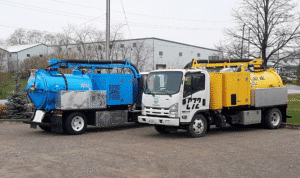
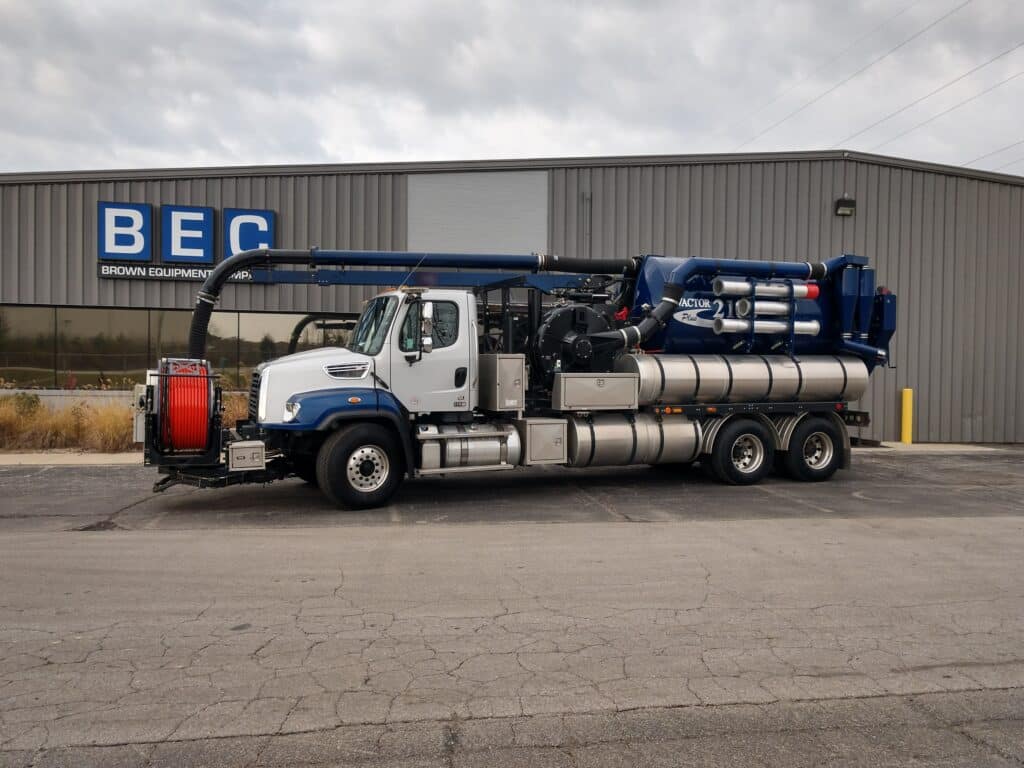
- Combination Sewer Cleaning Trucks: These units merge jetting and vacuum functionalities, saving both time and labor by handling multiple tasks in a single pass.
- Water Recycling Sewer Cleaning Trucks: Designed to reuse water during jetting, these trucks reduce overall water consumption. Over extended periods, lower utility bills and faster refilling cycles can yield significant cost advantages.
- Easement Machines and Trailer Jetters: These machines reach otherwise inaccessible areas, preventing costly manual labor. By reducing staffing needs and accelerating project timelines, the right equipment choice leads to more accurate and manageable budgets.
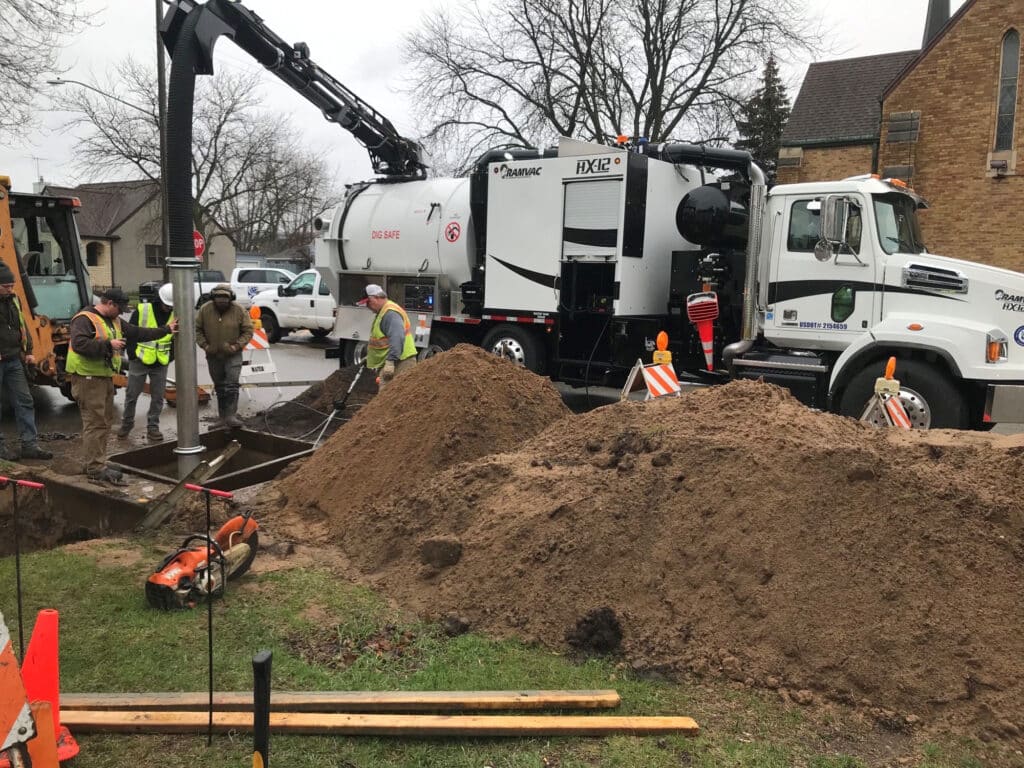
- Hydro Excavators and Nozzles: With their cutting-edge design, these specialized tools streamline excavation and cleaning processes, reducing the likelihood of lengthy project stoppages.
When equipment is chosen with thorough cost-benefit analysis, the positive impact on financial forecasts becomes evident over multiple projects. Upfront investments in durable, specialized technology typically pay for themselves through minimized maintenance, faster installation times, and a reduction in workforce demands. Taking a longer view of the equipment lifecycle allows sewer construction firms to implement more accurate budgeting models, reinforce performance predictability, and harness cost savings that can be reinvested in future expansions.
Moreover, making informed equipment decisions fortifies operational resilience. If a municipal sewer rehabilitation job experiences an unexpected challenge—like encountering hardened debris—it’s much simpler to handle with well-maintained or multi-functional tools. By aligning procurement strategies with financial forecasting methodologies, companies can standardize on proven technologies and maintain a more predictable cost structure.
Enhancing Financial Forecasting Through Real-World Application
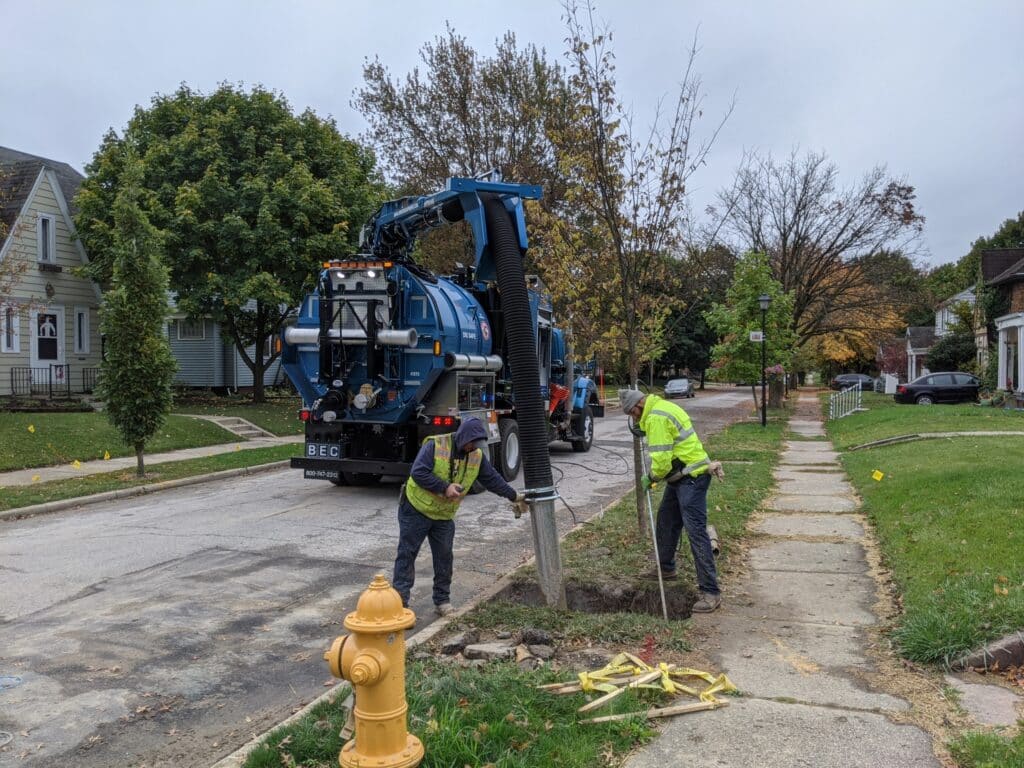
A detailed example illustrates the benefits of robust forecasting. Consider a sewer construction firm launching a multi-phase urban rehabilitation project:
- Early Planning: The team conducts a deep dive into potential revenue sources, equipment needs, and estimated labor costs. They validate these projections with detailed historical data and industry benchmarks.
- Ongoing Adjustments: Real-time data from software dashboards reveals that some material costs have increased faster than anticipated. Thanks to proactive monitoring, the firm negotiates alternative supply contracts to curb overspending.
- Effective Equipment Use: Combination sewer cleaning trucks and easement machines are deployed to minimize labor-hours and address complex terrain quickly. Maintenance schedules are flagged in advance to avoid unexpected downtime.
By systematically implementing advanced forecasting strategies and reaffirming equipment decisions, the firm meets its targets while staying within budget. This scenario highlights how layered, accurate financial forecasts guide both day-to-day operations and strategic adjustments—strengthening overall project outcomes.
Emerging Trends and Future Opportunities in Financial Forecasting
Technological innovations continue to shape the future of forecasting in sewer construction:
Integration of Artificial Intelligence and Machine Learning
AI-driven software tools can analyze large datasets for cost patterns and emerging trends. Machine learning models improve their forecasts by continuously absorbing new information from ongoing projects.
Advanced Data Visualization and Scenario Planning
Interactive dashboards let project managers visualize financial data and test varied scenarios, accelerating decision-making. Such tools help professionals quickly understand where deviations occur and craft immediate solutions.
Sustainability Considerations in Forecasting
Sustainability increasingly factors into decision-making processes. Companies might incorporate green technologies or water-recycling systems into their forecasts. Though many eco-friendly solutions demand larger upfront costs, they often deliver long-term financial benefits by reducing waste and operating expenses.
Achieving Success Through Strategic Financial Forecasting in Sewer Construction
Financial forecasting is vital for the success of sewer construction projects. It enables companies to proactively manage risks, allocate resources efficiently, and keep projects on schedule and within budget. Crucially, accurate forecasting supports long-term profitability—especially when paired with strategic equipment investments that reduce downtime and boost productivity.
Turn accurate forecasting into real savings with proven equipment performance. Contact Brown Equipment Company to review sewer‑specific solutions, compare total cost of ownership, and get expert guidance on reducing maintenance costs.