Functional sewer systems are the lifeblood of our infrastructure, but when they fail, the consequences are immediate and severe. Blockages, leaks, and deteriorating pipes can lead to costly service disruptions and significant safety hazards, especially in complex urban environments. While traditional repairs often required disruptive, large-scale excavation, modern solutions prioritize precision, speed, and safety.
Success in today’s demanding environment hinges on having the right equipment. This guide explores the essential tools that have revolutionized sewer line repair—from combination trucks that clear stubborn blockages to pipeline cameras that diagnose unseen issues. These innovations empower crews to deliver fast, effective, and lasting results with minimal downtime, transforming a challenging necessity into a streamlined, efficient operation.
The Modern Toolkit: Essential Equipment for Sewer Line Repair
Successfully tackling the diverse challenges of sewer maintenance requires a range of specialized equipment. From powerful, large-scale cleaning to precise, non-invasive diagnostics, each tool plays a crucial role in a successful repair strategy. Here’s a look at the core components of the modern sewer repair toolkit.
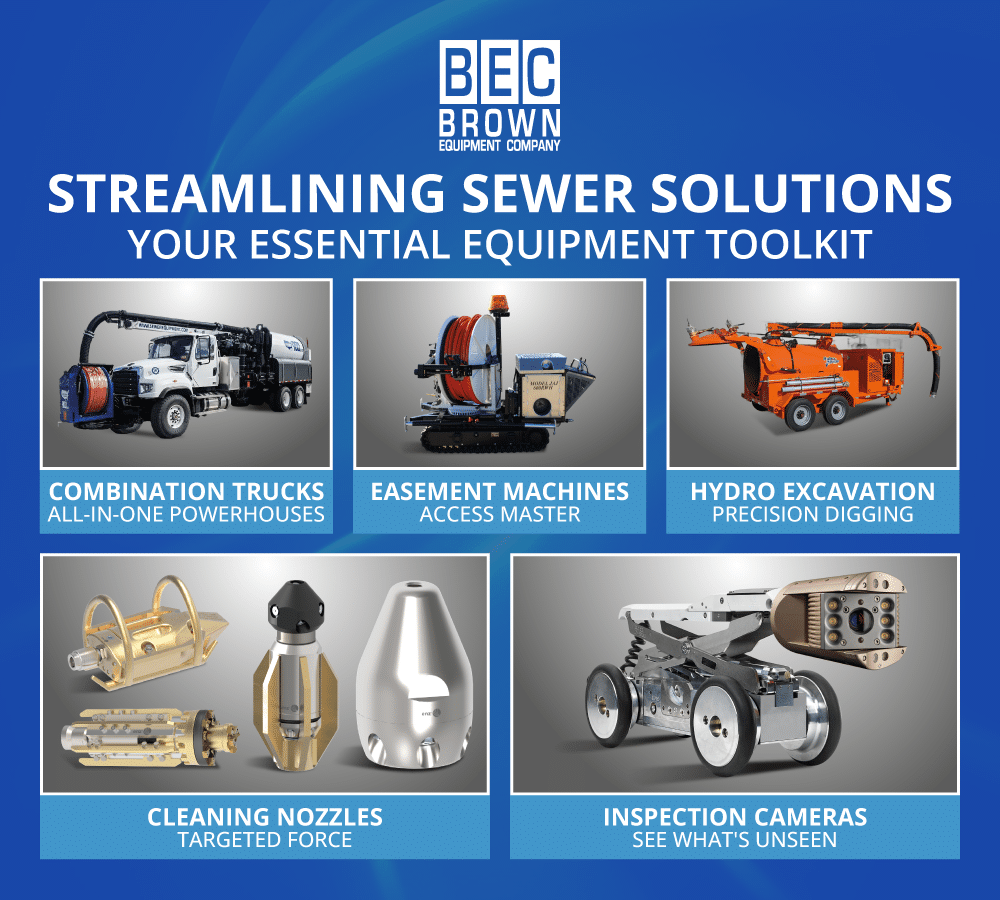
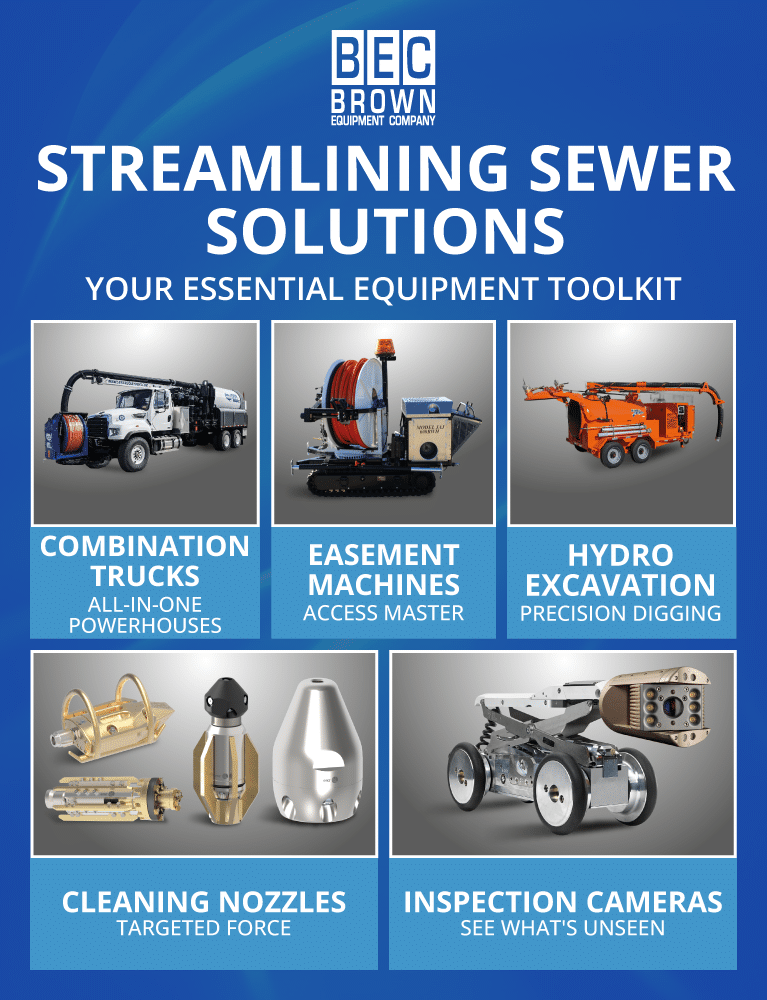
Combination Sewer Cleaning Trucks: Revolutionizing Sewer Line Maintenance
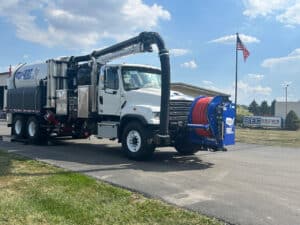
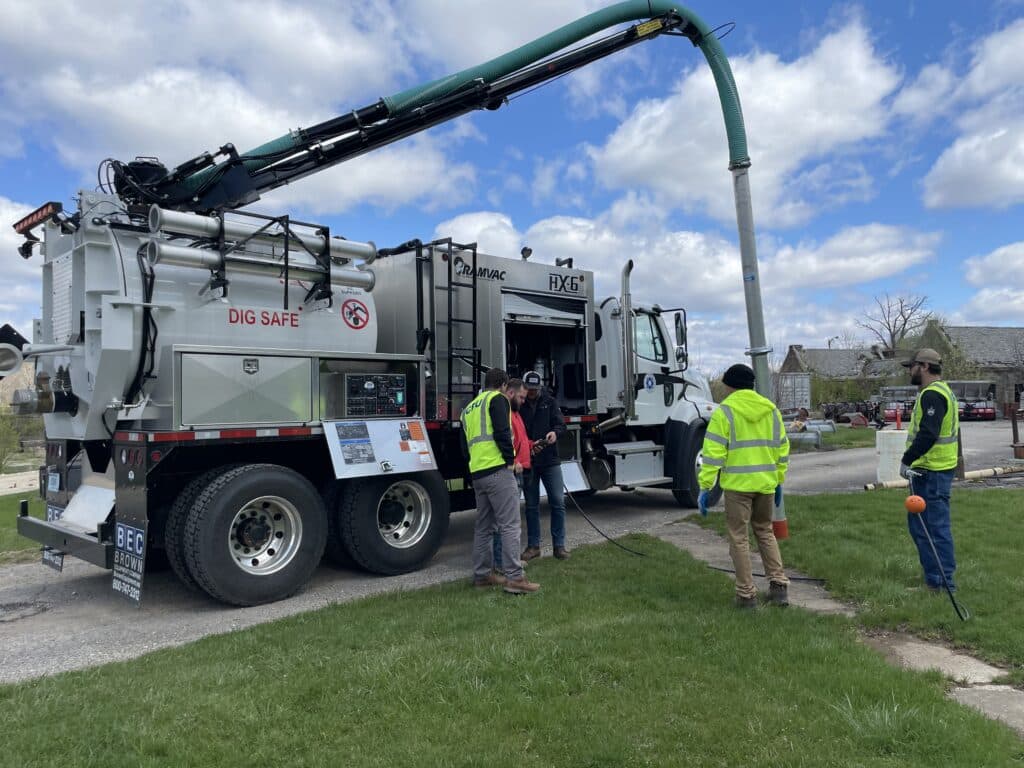
Combination sewer cleaning trucks offer the dual functionality of high-pressure water jetting and powerful vacuum systems. This integrated approach breaks up debris while removing waste simultaneously, streamlining the cleaning process and improving efficiency. These trucks are especially valuable for municipalities managing extensive sewer networks or handling emergency cleanups.
A key feature of many combination trucks is water recycling technology. By filtering and reusing water during operations, they reduce the need for fresh water, lowering operational costs and supporting sustainability. This capability is particularly advantageous in regions with strict water conservation mandates. Additionally, these trucks reduce the need for manual entry into hazardous spaces, thereby enhancing worker safety and lowering the risk of injury.
By rapidly clearing obstructions and efficiently removing debris, combination trucks contribute significantly to reducing downtime and overall labor costs, making them an essential asset in modern sewer line maintenance.
Easement Machines: Overcoming Accessibility Challenges
In many sewer repair projects, lines traverse environments that are difficult to access, such as narrow alleyways or confined urban spaces. Easement machines are designed for these conditions, featuring compact designs and enhanced maneuverability that allow them to operate in areas where traditional excavation equipment cannot reach.
These machines minimize extensive surface disturbance by reducing the need for large-scale digging. Their ability to target problem areas with minimal impact preserves existing infrastructure—such as sidewalks and landscaped areas—while improving worksite safety. By employing easement machines, repair crews can complete tasks more quickly and efficiently, even in the most challenging environments.
Hydro Excavation Tools: A Precise and Damage-Free Solution
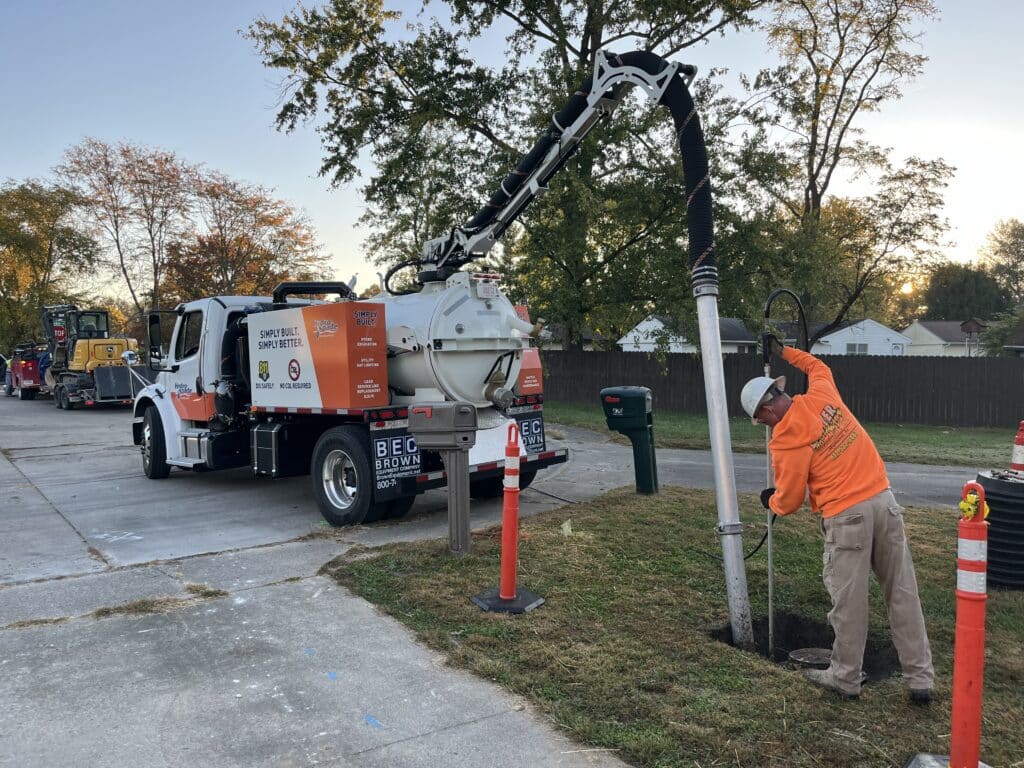
Hydro excavation employs pressurized water to loosen soil and a vacuum system to remove the resulting debris. This method allows for precise, controlled excavation that minimizes the risk of damaging critical underground utilities. Ideal for urban environments where the surrounding infrastructure is dense, hydro excavation creates small, targeted openings that reduce the extent of restoration work needed after repairs.
This approach also proves beneficial in adverse weather conditions. For example, in frozen ground conditions, hydro excavation systems with heated water can effectively break through ice, ensuring that work can proceed year-round. Ultimately, hydro excavation improves both safety and efficiency by eliminating the hazards associated with traditional mechanical digging.
Watch the video below to take a walkaround tour of the Hydro Spade Truck and see its key features in action. Discover why this hydro excavation truck is the ultimate tool for municipalities and contractors.
The Role of Sewer Cleaning Nozzles in Precision and Efficiency
Sewer cleaning nozzles attach to high-pressure hoses and deliver focused water streams that break down stubborn blockages, flushing debris downstream without invasive excavation. They are engineered for various applications, from handling grease buildup and tree root intrusions to clearing compacted soil using specialized hydro excavation nozzles.
Different nozzle designs allow operators to customize the cleaning process based on the specific requirements of each task. High-quality nozzles provide consistent water pressure and durable performance, which is crucial for achieving results while optimizing water consumption and preventing equipment failures. In some cases, self-propelling nozzles further automate the cleaning process, significantly reducing labor costs and processing time.
Pipeline Inspection Cameras: Pinpointing Problems with Accuracy
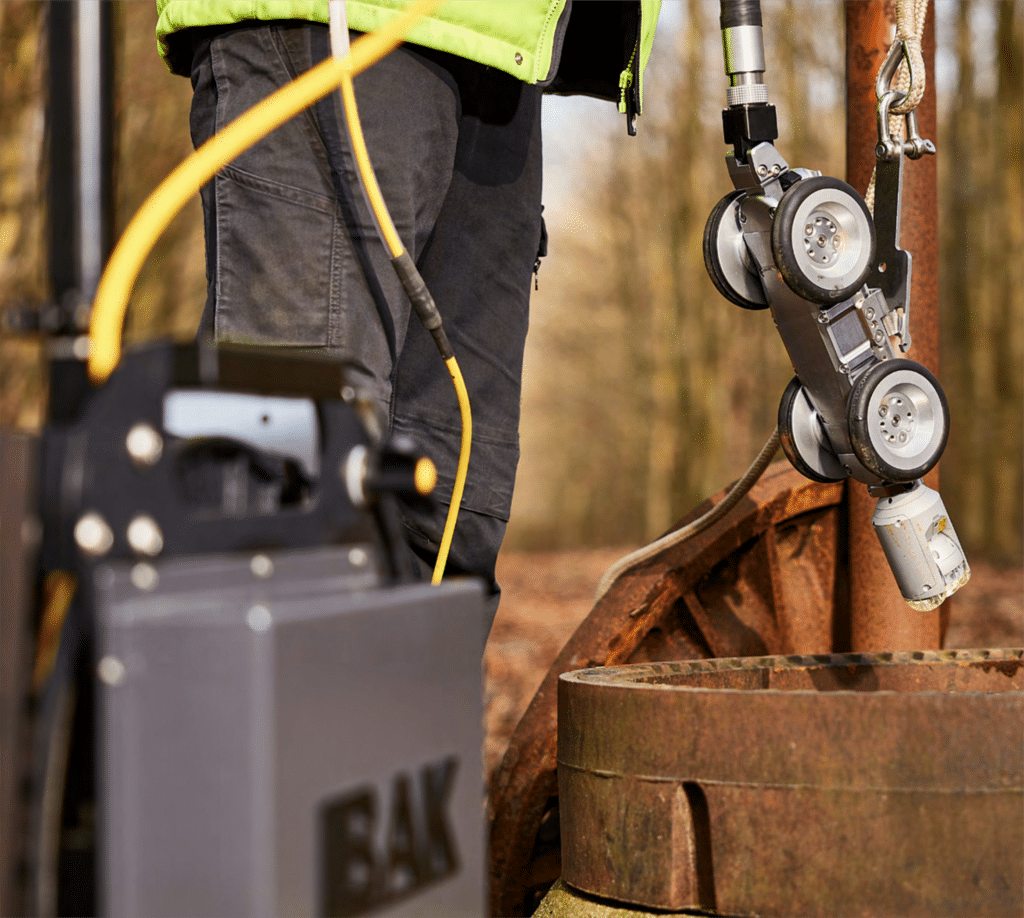
Pipeline inspection cameras have transformed sewer repair by providing a non-invasive method to diagnose internal pipe issues. Mounted on flexible cables, these cameras transmit live video footage, enabling operators to identify blockages, cracks, root intrusions, or misalignments without extensive excavation.
Modern inspection cameras come with pan-and-tilt capabilities that allow for detailed, adjustable views of the pipeline’s interior. This precision aids in developing targeted repair strategies and supports proactive maintenance by documenting the condition of the sewer over time. Whether in large municipal networks or isolated installations, the ability to quickly pinpoint problems leads to faster, more cost-effective repairs with minimal guesswork.
Maximizing Your Investment: A Guide to Selecting, Implementing and Maintaining Sewer Equipment
Investing in advanced sewer repair equipment is the first step toward operational excellence. However, to unlock the full potential of these tools, municipalities and contractors must adopt a strategic approach that covers the entire lifecycle of the equipment—from the initial purchase and implementation to ongoing maintenance and operator training. This holistic view ensures maximum efficiency, safety, and return on investment.
1. Strategic Selection: Choosing the Right Tools for Long-Term Value
The selection process is the foundation of your operational success. It requires a thorough analysis of your specific needs and a focus on long-term performance over short-term costs.
- Assess Project Scope and Environment: Define your primary scope of work. A small residential repair has vastly different requirements than a large-scale municipal operation. Consider the typical environments you work in. Will you need non-invasive hydro excavation to protect dense underground utilities? Do you require tools that meet strict local environmental regulations, such as water recycling systems? Tailoring your equipment to your job site is critical.
- Balance Initial Budget with Long-Term Value: While budget is a key factor, the initial purchase price is only part of the story. High-quality, durable equipment is built to withstand harsh conditions like abrasive debris and extreme weather. Investing in this level of quality may cost more upfront but consistently leads to lower maintenance expenses, fewer breakdowns, and a longer service life, delivering a far better return on investment.
- Prioritize Compatibility and Operator-Focused Design: Ensure that all your tools—from nozzles and cameras to vacuum systems—can integrate seamlessly for smooth operations. Furthermore, look for equipment with user-friendly features. Well-designed, intuitive machinery not only improves productivity but also enhances operator safety on the worksite.
2. Intelligent Implementation: A Framework for Success
Before work even begins, a strategic framework for deploying your technology is essential for achieving predictable, high-quality results.
- Conduct Thorough Pre-Assessments: Before deploying equipment, integrate a pre-assessment phase where the existing condition of the sewer system is mapped out using tools like pipeline inspection cameras. This diagnostic approach allows for predictive maintenance, where potential issues are identified and rectified before they evolve into major emergencies, saving significant time and resources.
- Develop Standardized Operating Procedures (SOPs): To ensure consistency and safety, adopt standardized operating procedures for each piece of equipment. SOPs ensure that every member of the repair team is familiar with the tool’s functionality, safety protocols, and best practices. This guarantees that every job is executed with the same high level of precision and care.
3. Proactive Maintenance: Protecting Your Investment for Peak Performance
Once your equipment is in the field, a consistent maintenance program is essential to keep it operating reliably and to protect your investment.
- Implement a Routine Service Schedule: Proactive maintenance is the key to avoiding costly downtime. This includes routine inspections, scheduled servicing for critical components, and preventative care to address minor issues before they become major failures. A well-managed maintenance program keeps your projects on schedule and your equipment in top condition.
- Maintain Meticulous Records: Documenting every maintenance operation, repair, and equipment usage log provides invaluable data. This record-keeping not only helps in tracking recurring issues and managing parts inventory but also supports long-term strategic decisions on equipment upgrades and replacement schedules.
- Extend Equipment Life and Usability: Proper maintenance significantly extends the life of your machinery. For older equipment, a professional reconditioning process can revitalize key systems and restore functionality, offering a cost-effective alternative to purchasing new.
4. Empowering Your Team: The Power of Comprehensive Support and Training
Advanced equipment is only as effective as the people who operate it. Partnering with a supplier that offers robust, ongoing support is vital.
- Invest in Continuous Operator Training: Comprehensive training is non-negotiable for maximizing both efficiency and safety. This should include regular refresher courses to maintain a high level of competence. Crucially, train operators to recognize the early warning signs of equipment wear, as they are the first line of defense in preventing unforeseen breakdowns.
- Demand Reliable After-Sales Support: Your relationship with an equipment provider shouldn’t end after the sale. Reliable support—from the ready availability of replacement parts to specialized assistance like custom builds and fabrication—is crucial for maintaining productivity. This robust support system acts as a safety net, ensuring that when you need help, it’s there to keep your operations running smoothly.
The Future of Sewer Repair: Smarter, Safer, and More Sustainable
The field of sewer repair is rapidly evolving, moving beyond reactive fixes toward a predictive and sustainable model. This forward-looking approach is driven by powerful technological innovations that not only boost efficiency but also dramatically reduce environmental impact and operational costs.
Smart Technology and Predictive Maintenance
At the forefront of this evolution are smart technologies designed to anticipate problems before they occur. In-pipe sensors can now monitor network conditions in real-time, alerting teams to potential failures before they escalate. When paired with AI-driven diagnostic tools and robotic crawlers, these systems can identify wear patterns and pinpoint defects with incredible accuracy, minimizing the need for hazardous manual inspections in confined spaces.
Economic and Environmental Advantages
This new level of precision delivers significant environmental and economic benefits. By enabling targeted, non-invasive repairs, modern methods reduce the need for large-scale excavation, which in turn preserves urban landscapes, lowers carbon footprints, and cuts down on costly restoration work. Furthermore, advancements in water recycling and hydro excavation are making these systems more efficient than ever, directly conserving natural resources while lowering project expenses.
A Data-Driven Future
Looking ahead, the integration of data analytics will continue to transform the industry. By gathering and analyzing data on equipment performance, repair history, and sewer system conditions, operators can make data-driven decisions that inform future investments and optimize operational processes. This ongoing innovation ensures that the future of sewer repair will be increasingly safe, cost-effective, and environmentally responsible.
Frequently Asked Questions for Sewer Maintenance Professionals
Is it better to invest in a powerful combination truck or a range of specialized nozzles?
They are best used together as a system. The combination truck is the workhorse for general cleaning, while specialized nozzles are the precision tools that maximize its efficiency for specific jobs like clearing heavy sediment or cutting tree roots.
My team is experienced, but this equipment is new to us. What does the training and implementation process look like?
We provide comprehensive, on-site training focused on safe operation, daily maintenance, and troubleshooting. Our goal is to ensure your team is confident and proficient with the new equipment from day one.
Is it more cost-effective to recondition our older equipment or purchase new?
It depends on the unit’s condition. A professional inspection is the best way to determine if reconditioning is a cost-effective option to extend its life or if a new purchase offers better long-term value.
We have unique access challenges in our service area. Can equipment be customized?
Yes. We specialize in custom fabrication to solve unique challenges. Whether it’s a specific vehicle mount, hose reel placement, or toolbox layout, we can tailor equipment to fit your exact workflow and environment.
Strategic Investment and Best Practices for Long-term Sewer Maintenance Success
Ultimately, success in modern sewer line repair hinges on a strategic investment in the right equipment. From the power of combination sewer cleaning trucks to the precision of hydro excavation and the diagnostic clarity of inspection cameras, each tool is a vital component of a successful operation.
By choosing high-quality, tailored equipment, municipalities and contractors can ensure projects are completed safely, efficiently, and with long-term reliability. This commitment to using the best tools for the job is the foundation for mastering the challenges of sewer maintenance and delivering exceptional results.
Contact Brown Equipment Company today to arrange free on-site demonstrations and to discuss equipment options that meet your unique requirements.