Seasonal challenges in landscaping and vegetation management can leave equipment underutilized and disrupt revenue streams. For municipalities and large contractors, downtime not only wastes resources but also drives up costs and hurts ROI. Summer is particularly demanding, making it essential to leverage adaptable machines. This guide explains how multi-purpose tractors can boost productivity, reduce inefficiencies, and create a consistent revenue stream.
The Real Problem: Seasonal Work Leaves Equipment and Crews Underutilized
Seasonal fluctuations result in stretches of downtime when equipment and crews are not fully engaged. During busy periods, tractors are in constant use for tasks such as clearing debris or mowing. As seasons change, these assets often remain idle—causing overhead expenses to pile up despite reduced workload.
Idle equipment and underemployed crews lead to costs like storage, maintenance, and insurance. Rather than accepting downtime as inevitable, adopting a proactive, year-round utilization strategy can turn slow periods into opportunities for consistent productivity and revenue.
Why Idle Equipment and Single-Season Machines Hurt ROI
Equipment designed for a single season typically sits unused for much of the year. While these machines perform their designated tasks effectively, their limited use does not justify the overall expenses—resulting in a lower return on investment. In contrast, multi-purpose tractors adapt to various attachments, keeping them active throughout the year and maximizing financial efficiency.
The Goal: Increase Utilization Rate, Not Just Add Equipment
The real lever isn’t buying more machines—it’s raising utilization (productive hours vs. available hours). Higher utilization spreads fixed costs like insurance, storage, and depreciation across more work, improving ROI without expanding the fleet.
Focus on:
- Year-round services: sweeping, storm cleanup, leaf collection, snow/ice.
- Flexible platforms + attachments to pivot as seasons change.
- Cross-trained crews to avoid downtime from staffing/skills gaps.
- Planned slow-season work: maintenance, attachment service, training.
Bottom line: more productive hours from the same equipment beats adding equipment that sits idle.
What Sets a Multi-Purpose Tractor Apart from a Standard Tractor
Unlike standard tractors that serve specific functions, multi-purpose tractors are engineered for adaptability across a wide range of tasks. They are particularly valuable for municipalities and contractors who need consistent performance all year long.
Key Features of a Multi-Purpose Tractor
- Quick attachment changes that minimize downtime.
- Robust hydraulic systems to power diverse implements.
- Adaptable design for maneuverability in different terrains.
- Operator-friendly layouts that prioritize safety.
Example Platforms
Leading platforms such as Multihog and Energreen offer versatile designs that support a variety of attachments, making them ideal for tasks ranging from mowing and snow clearing to brush cutting and debris collection.
The 12-Month Utilization Plan for Landscaping and Vegetation Management
A clear, seasonal plan is crucial to maximize the use of your multi-purpose tractor. By aligning tasks and attachments with each season’s needs, you keep equipment and crews busy all year.
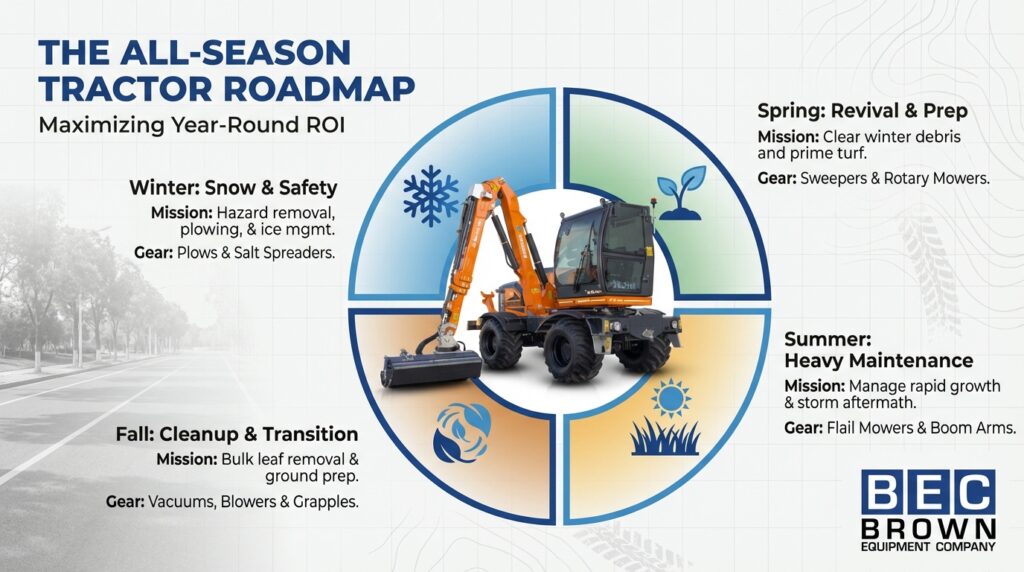
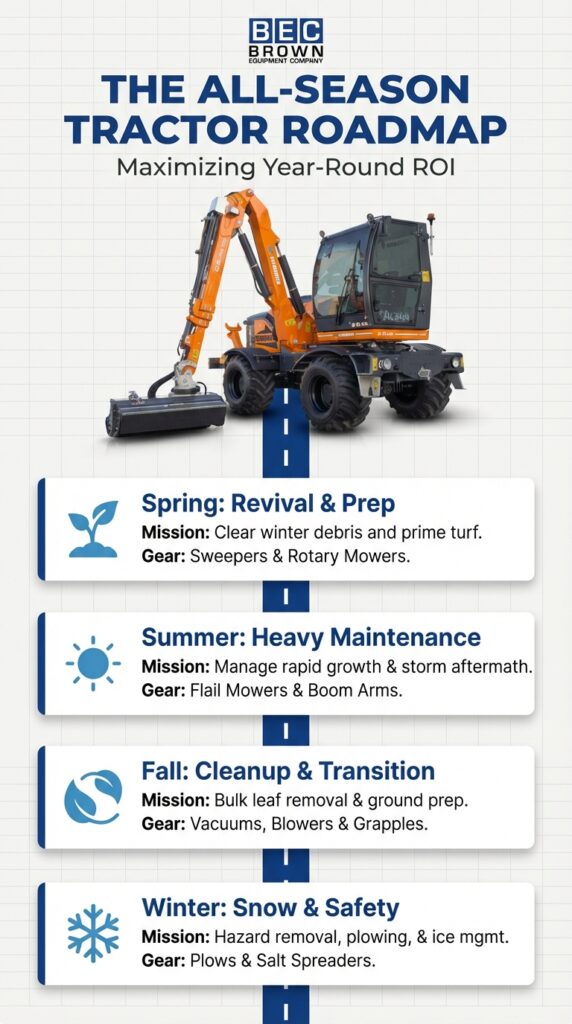
Spring: Restore and Prepare Landscapes
As winter ends, spring tasks focus on cleaning up residual debris and preparing landscapes for growth.
- Core Tasks: Sweeping streets and sidewalks, removing winter debris, mowing new grass, and applying fertilizers.
- Recommended Attachments: Sweepers, rotary mowers (or flail heads), and debris collectors.
- Key Considerations: Schedule maintenance on attachments before heavy use, and secure early-cleanup contracts that can lead to repeat business.
Summer: Maintain and Control Vegetation
Summer is prime mowing season with ongoing needs for vegetation control and storm cleanup.
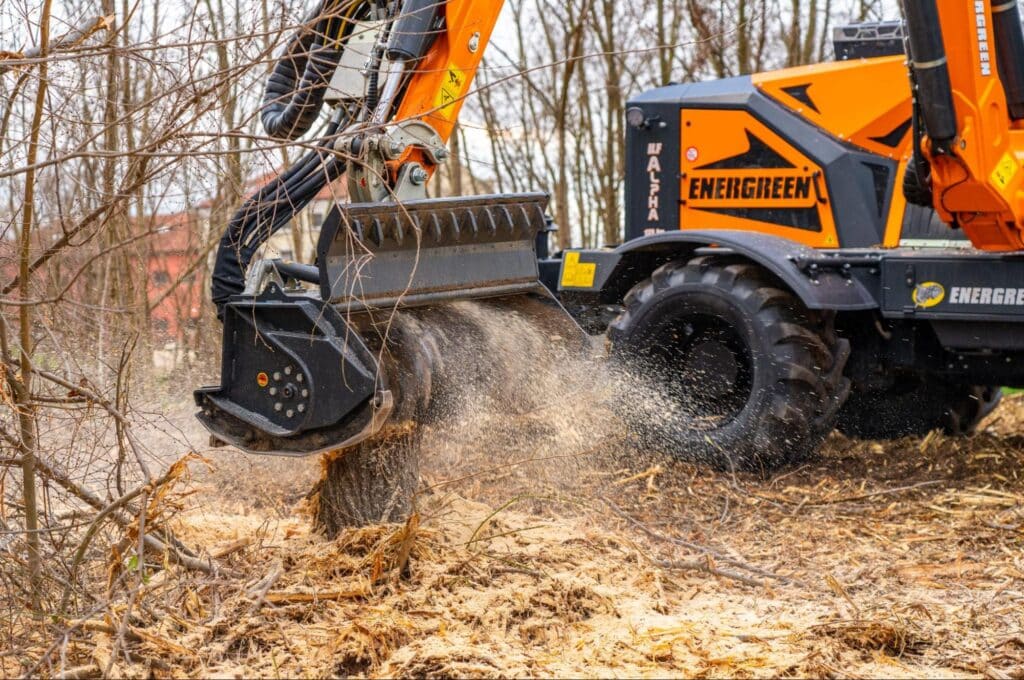
- Core Tasks: Mowing parks and communal spaces, cutting dense brush, and addressing storm damage.
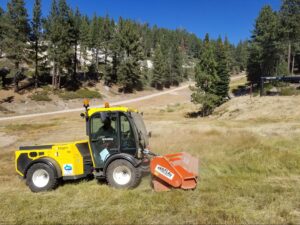
- Recommended Attachments: Flail mowers for tough vegetation and boom-arm mowers for uneven terrain.
- Key Considerations: Build in flexibility to handle storm cleanups and use wider attachments for efficiency in large areas.
Check out Summer Multihog for guidance on outfitting equipment for peak summer performance.
Fall: Manage Leaves and Prepare for Winter
In the fall, managing fallen leaves and completing final mowing runs become priorities.
- Core Tasks: Collecting leaves, trimming overgrown areas, and preparing pathways.
- Recommended Attachments: Leaf vacuums or blowers, mulching attachments, and grapple buckets.
- Key Considerations: Capitalize on fall cleanups as recurring revenue opportunities and invest in attachments that also prove useful during winter.
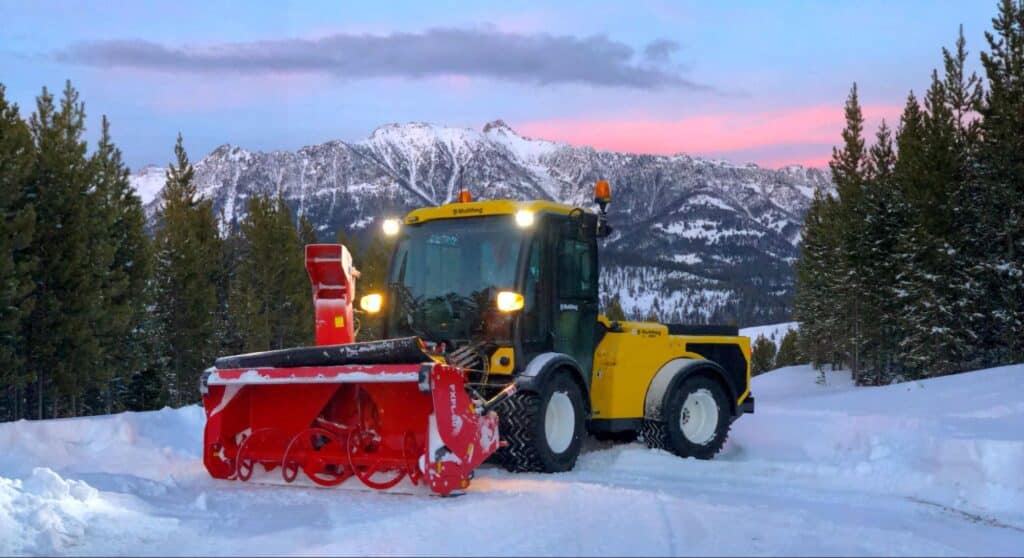
Winter: Clear Snow and Manage Ice
Winter converts multi-purpose tractors into essential tools for managing hazardous conditions.
- Core Tasks: Plowing snow from roads and parking lots, spreading de-icing materials, and clearing storm debris.
- Recommended Attachments: Snowplows and salt spreaders.
- Key Considerations: Bid on municipal contracts to ensure steady work during colder months.
Check out Winter Prep for guidance on outfitting equipment for cold conditions.
Build a Year-Round Service Menu
A year-round service menu helps secure steady work with bundled solutions tailored to clients’ seasonal needs.
Municipal Service Bundles
Offer comprehensive annual contracts that might include:
- Sidewalk and Pathway Maintenance
- Public Space Care
- Snow and Ice Management
- Storm Response
This approach simplifies vendor management for municipalities and ensures recurring work.
Custom Service Packages for Commercial Clients
Tailor packages for HOAs, campuses, industrial sites, or retail centers:
- Routine Grounds Maintenance
- Seasonal Trimming and Clearing
- Emergency Services for Storm Cleanups
By focusing on outcomes such as faster completion times and consistent service, you deliver tangible value.
Attachment Strategy: Invest in Versatile Implements for Maximum ROI
Smart attachment selection maximizes the potential of your multi-purpose tractor, allowing you to handle diverse tasks efficiently.
Prioritize Multi-Season Attachments
Choose attachments you can use across multiple seasons:
- Rotary Sweepers for spring cleaning and fall leaf management.
- Flail Mowers effective for summer mowing and spring brush removal.
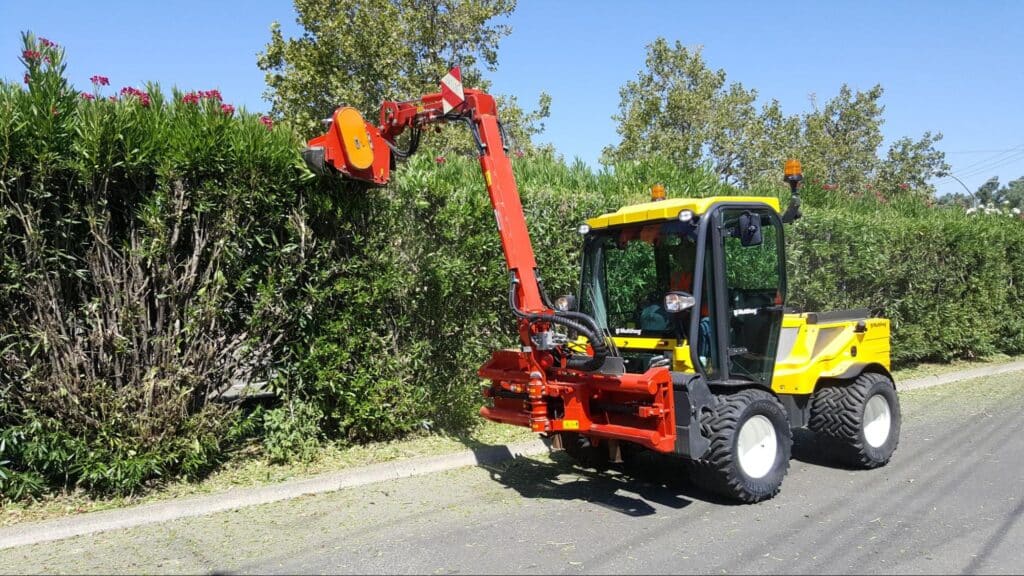
- Boom-arm Mowers for extended reach in challenging areas.
- Grapple Buckets to move debris, mulch, or light snow.
Calculate Attachment ROI
Assess each attachment’s value by estimating usage hours, operating costs, and maintenance needs. If an attachment doesn’t justify its costs, renting for niche tasks may be more practical.
Increase Efficiency
Quick changes between attachments enable multiple tasks in one day. This efficiency boosts productivity and fosters better operator morale.
Avoid Common Pitfalls
- Over-Specializing in attachments that serve only one purpose.
- Skipping demos, which can lead to ill-informed equipment purchases.
- Overlooking compatibility with tractor hydraulics and weight capacities.
- Neglecting regular maintenance, which directly impacts lifespan.
Operations Playbook: Maximize Uptime and Manage Downtime Proactively
Consistent operation is vital to remain profitable. An effective operations plan relies on scheduled maintenance, proper training, and streamlined logistics.
Seasonal Maintenance
- Spring: Inspect wear after winter’s harsh conditions.
- Summer: Check cooling systems and cutting components.
- Fall: Prepare winter attachments and lubricate key parts.
- Winter: Monitor cold-weather performance and inspect for salt damage.
Train Operators
Cross-train staff on different attachments to reduce changeover time and ensure continuous productivity.
Streamline Logistics
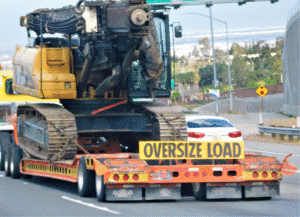
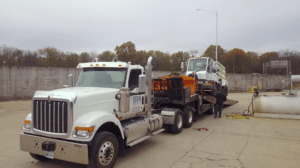
- Invest in trailers designed for safe transport.
- Organize staging areas for attachment swaps.
- Group tasks geographically for efficient dispatch.
- Perform maintenance during low-demand windows.
- Keep essential parts on hand to address minor issues quickly.
Where Multi-Purpose Tractors Have Their Limits (and Alternatives)
Although multi-purpose tractors cover a broad range of tasks, certain jobs demand specialized machinery.
Extreme Slopes or High-Risk Terrains
Remote-operated slope mowers or specialized tracked equipment can offer better safety and stability on steep inclines.
Long-Reach and Heavy-Duty Tasks
Large-scale forestry or tree-trimming may require dedicated boom mowers or heavier-duty equipment. It’s wise to supplement your fleet with specialized gear when tasks exceed a tractor’s safe operating parameters.
Choosing the Right Mix
For most routine tasks, multi-purpose tractors are an ideal solution. However, supplementing them with reliable specialty machines ensures you maintain efficiency in challenging conditions.
Multi-purpose tractors are a strong “base platform” in a year-round vegetation program because they let you match one power unit to multiple seasonal needs with the right attachments. In the Vegetation Equipment Guide, this sits in the part of the strategy where you move from “single-season machines” to a planned fleet mix—one versatile platform supported by a few specialty units for edge-case conditions.
The Equipment Selection Triangle
Multi-purpose tractors are a strong “base platform” in a year-round vegetation program because they let you match one power unit to multiple seasonal needs with the right attachments. Use this quick triangle to sanity-check equipment decisions before you buy:
- Terrain types: flat parks, curbs/ditches, shoulders, steep slopes, soft ground, tight urban areas
- More extreme terrain usually pushes you toward specialized solutions (e.g., slope equipment, tracked units, long-reach).
- Vegetation density: light turf, heavy grass, brush, saplings, invasive growth, storm debris volume
- The tougher the material, the more you’ll prioritize hydraulics, protection, and the right cutting head (flail vs. rotary vs. boom).
- Frequency of tasks: one-time cleanup, seasonal spikes, or weekly routes
- Higher frequency favors ownership of a multi-purpose platform; low frequency often favors renting niche tools or subcontracting.
Rule of thumb: If you’re facing mixed tasks across multiple seasons and doing them often, a multi-purpose tractor usually improves utilization. If the work is rare but extreme (very steep slopes, heavy forestry, long-reach hazards), that’s where specialty equipment earns its keep.
FAQ: Answering Common Questions About Multi-Purpose Tractors
Are Multi-Purpose Tractors a Good Investment for Landscaping and Vegetation Management?
Yes. While they may have a higher initial cost, their flexibility across multiple seasons increases ROI by reducing downtime.
How Do Multi-Purpose Tractors Compare to Tool Carriers?
Multi-purpose tractors excel at everyday tasks like mowing and snow clearing, while tool carriers are built for heavier hydraulic applications. Your choice depends on the specific demands of each job.
When Should You Use a Rotary Mower vs. a Flail Cutter?
Rotary mowers excel in open, grassy areas. Flail cutters are more effective in handling dense vegetation and controlling debris.
What Are the Signs It’s Time to Add Specialized Equipment?
If your tractor struggles with steep slopes, extensive reach, or excessive debris, adding niche equipment can improve both safety and efficiency.
What Are the Best Practices for Transitioning to Multi-Purpose Platforms?
Start by mapping out routine tasks. Replace single-season units with tractors that support multiple attachments, and invest in operator training for a smooth transition.
Optimize Revenue and Efficiency with Multi-Purpose Tractors
Multi-purpose tractors give municipalities and contractors a strategic way to manage landscaping and vegetation tasks throughout the year. By planning seasonal attachments, training operators effectively, and adopting a year-round service approach, you increase both productivity and revenue potential.
Looking to take the next step? Contact Brown Equipment Company today to learn more about smart, flexible tractor options for your operation.