Each winter, cities must keep roads, sidewalks, and public spaces safe and accessible. Selecting effective equipment is a vital investment in public safety and operational efficiency. With numerous vehicle configurations and advancing technologies, municipal leaders need clear guidance to choose tools that meet their unique challenges.
This guide empowers public works managers and procurement teams to make informed decisions about their winter fleets. We outline strategies for analyzing local snowfall patterns, matching equipment features to city needs, and implementing practical operational improvements. By aligning equipment choices with budget constraints and environmental concerns, cities can build a high-performing fleet that minimizes downtime and reduces costs—even during severe weather.
Understanding Your City’s Snow Removal Needs
Before launching a fleet investment, evaluate the specific challenges your city faces each winter. A clear understanding of local weather, urban infrastructure, financial constraints, and regulatory requirements is essential.
Assessing Climate and Snowfall Patterns
Weather conditions vary widely between municipalities. Regions with light, steady snowfall may require standard plows and compact spreaders, while areas prone to heavy storms demand robust, high-capacity equipment. Regularly consulting the National Weather Service helps cities forecast snowfall trends, balancing between equipment ownership and on-demand rentals to ensure readiness without overspending.
Evaluating Street Layouts and Traffic Flow
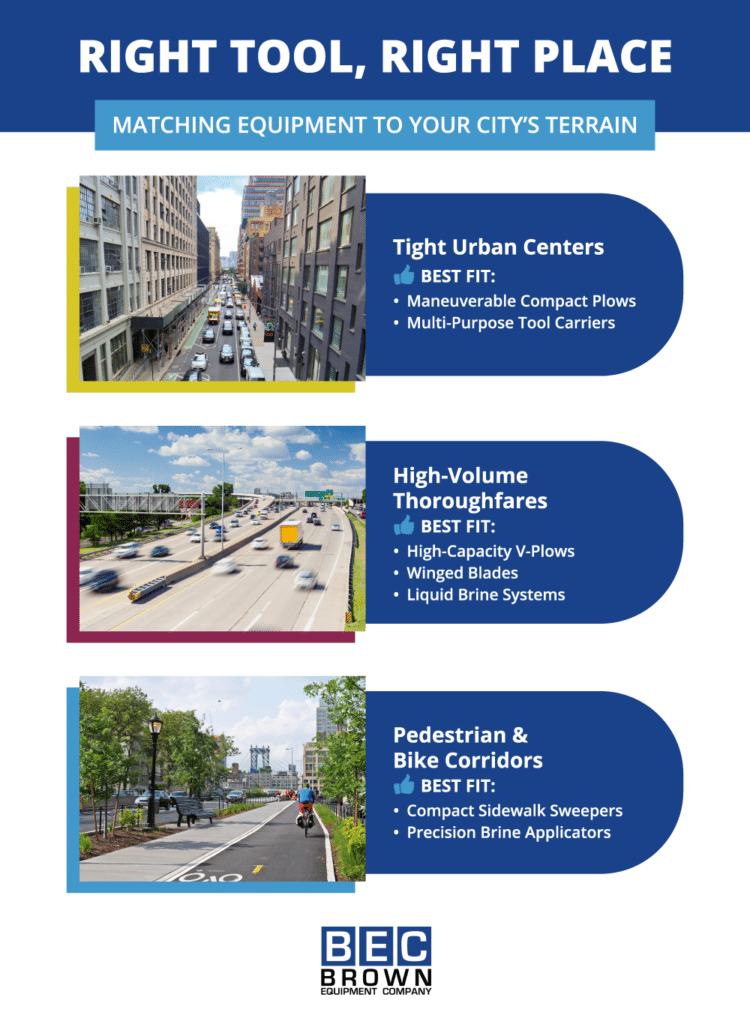
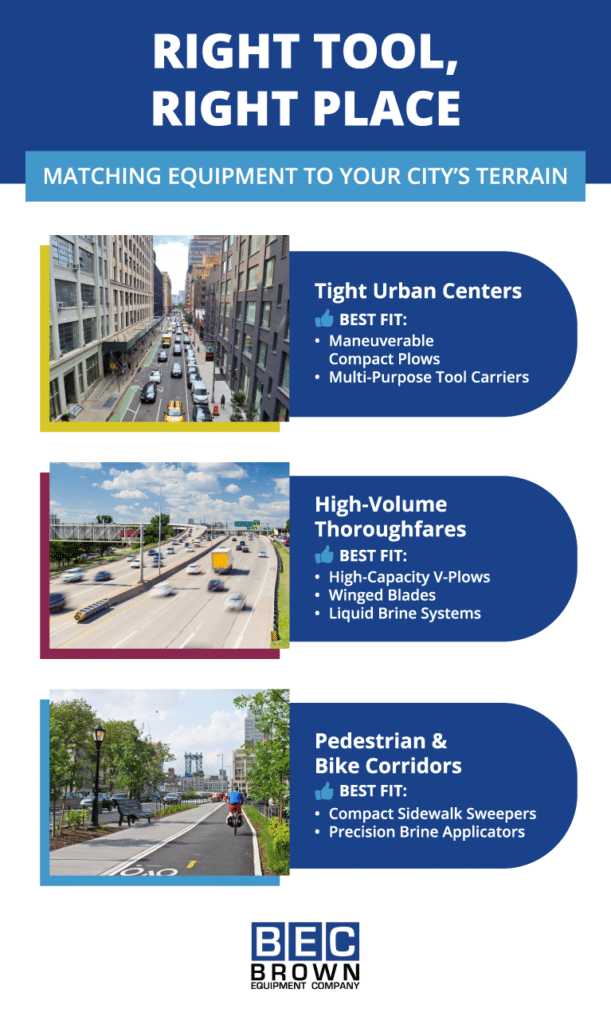
The design of city streets directly affects equipment selection. Densely populated areas with narrow streets and obstacles need smaller, maneuverable vehicles. In contrast, wider suburban roads benefit from larger, wide-blade plows that clear more area per pass. Reviewing guidelines from the Federal Highway Administration can offer additional insights into matching equipment to traffic flow and congestion points.
Balancing Budgets and Workforce Capacity
Acquiring snow removal machinery requires more than upfront costs; maintenance, fuel, and operations are also significant factors. Some cities balance performance with affordability by opting for a mix of new, reconditioned, or rental equipment. Additionally, advanced machinery may reduce labor costs through easier operation but might necessitate additional training. Aligning equipment choices with both budget and existing workforce skills is crucial for smooth operations.
Addressing Environmental Considerations
Municipalities increasingly face regulations on de-icing chemicals to protect local ecosystems. Choosing eco-friendly systems like liquid brine spreaders or low-salt mixture tools can help comply with regulations and reduce environmental impact. Cities must also consider snow disposal and runoff issues when planning their snow removal strategy.
Overview of Essential Snow Removal Equipment
A well-rounded snow removal fleet offers a balanced mix of specialized and multifunctional equipment tailored to local conditions.
Snow Plow Trucks
Snow plow trucks are the backbone of municipal snow removal. They come in several designs:
- Straight-blade plows efficiently clear wide paths during moderate snowfall.
- V-plows are more effective in deeper snow.
- Winged or extendable plows offer versatility for varying road widths.
Multi-purpose trucks that can adjust blade angles and accommodate different attachments enhance year-round utility and minimize downtime.
Salt and Grit Spreaders
After plowing, spreaders prevent ice formation by evenly dispersing de-icing agents. Municipalities can choose between:
- Granular spreaders that apply rock salt or sand.
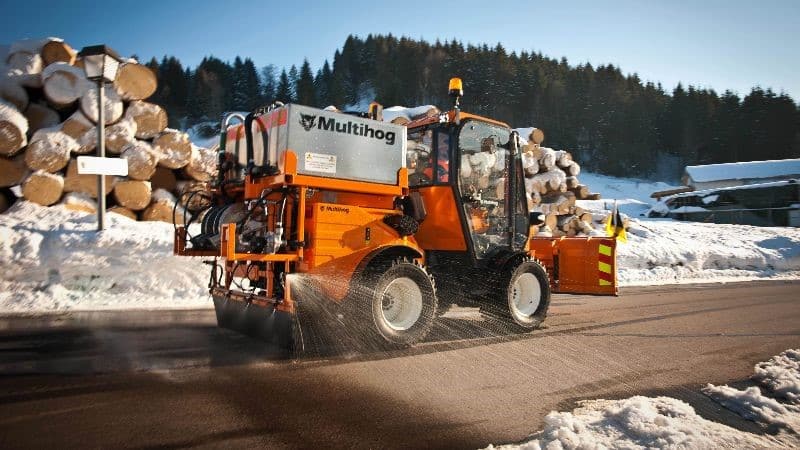
- Liquid brine spreaders that provide controlled material usage and effective pre-treatment.
Precision calibration of these tools reduces waste and environmental impact, ensuring essential road safety.
Liquid Brine Systems
Liquid brine systems pre-treat roads to prevent snow and ice adherence. These systems include on-site mixing, storage tanks, and application units that reduce the overall need for salt. Though the initial investment can be higher, municipalities often enjoy long-term savings in material costs, along with environmental benefits.
Sidewalk and Pathway Equipment
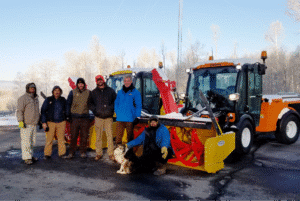
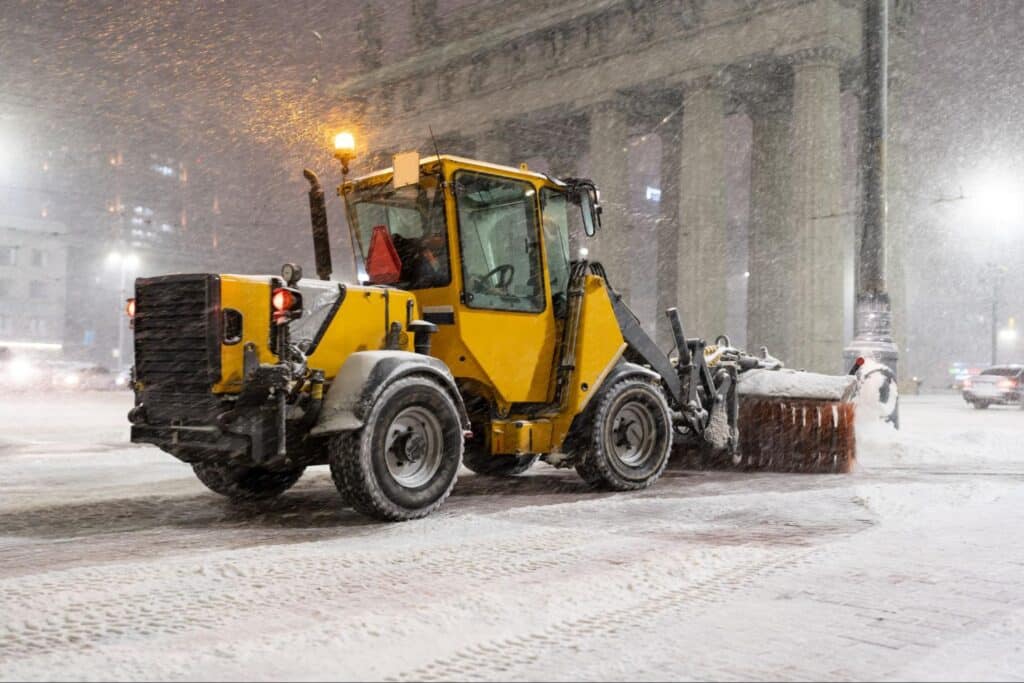
For pedestrian safety, compact machines or specialized attachments clear sidewalks and bike paths. Highly maneuverable equipment ensures even narrow and crowded areas remain unobstructed, reducing the risk of slip-and-fall accidents and keeping pedestrian zones welcoming.
Multi-Purpose Equipment
Vehicles equipped with interchangeable attachments (plows, spreaders, mowers) enable cities to consolidate their fleets. These machines are especially valuable for municipalities with limited storage or budget constraints, offering flexible, year-round functionality.
How to Compare and Select Equipment
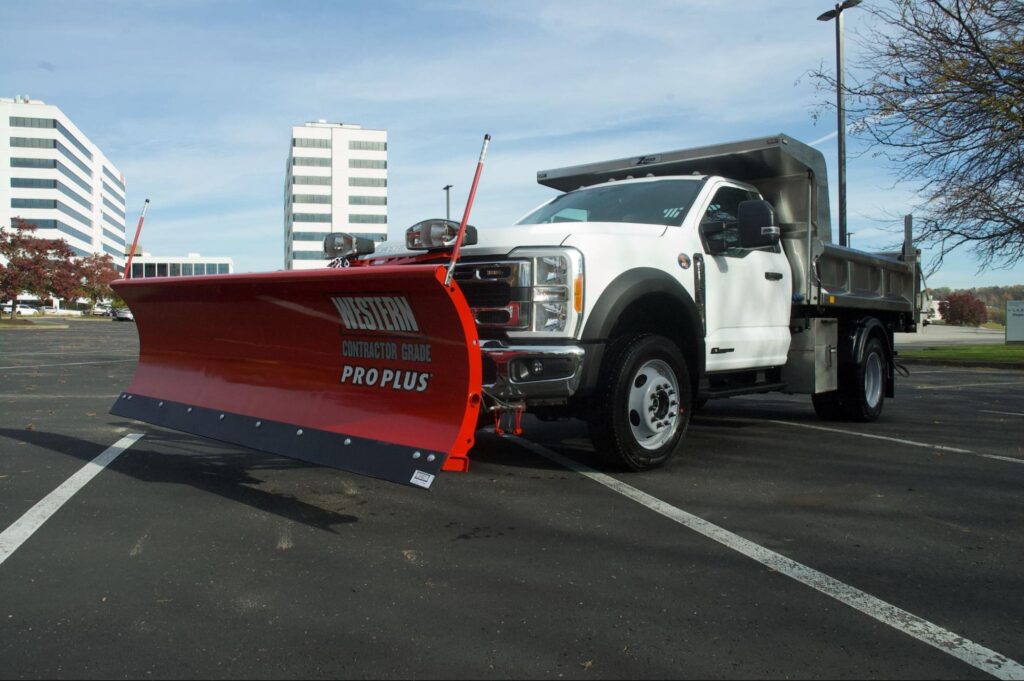
Choosing the right equipment goes beyond comparing prices. A comprehensive evaluation includes performance, safety, total cost of ownership, and vendor support.
Evaluating Performance and Versatility
Assess whether the equipment can handle your city’s typical snow conditions. Factors such as clearing capacity, durability under heavy use, and adaptability to multiple scenarios are critical. Versatile configurations, such as adjustable plows or interchangeable attachments, ensure that a single piece of equipment can be used in various environments.
Prioritizing Safety and Operator Comfort
Safety features like advanced lights, alarms, and ergonomic controls protect both operators and the public. Equipment that offers comfortable and intuitive operation reduces training time and minimizes fatigue, leading to more efficient and safer operations during long shifts.
Leveraging Technology
Modern snow removal equipment increasingly incorporates technology for optimizing operations. GPS tracking, telematics, and automated material application systems help monitor performance, streamline routes, and prevent waste. Consider whether your team can support these technologies and whether the vendor offers necessary training and support.
Analyzing Total Cost of Ownership
Beyond the purchase price, evaluate fuel consumption, maintenance frequency, and warranty coverage. Sometimes reconditioned equipment offers reliable service at a lower cost. Understanding the long-term expenses helps you make a decision that aligns with your municipal budget.
Ensuring Vendor Support
Reliable vendors provide comprehensive after-sales support, including operator training, quick delivery of replacement parts, and ongoing maintenance assistance. Establishing partnerships can minimize equipment downtime during critical periods and enhance overall fleet performance.
Building a Balanced and Adaptable Fleet
A successful snow removal strategy requires establishing a balanced fleet that caters to diverse scenarios—from busy urban centers to sprawling rural roads.
Tailoring Fleet Composition
Different areas of your city have unique requirements. Compact plows are ideal for congested urban areas, while large, wide-blade trucks suit major thoroughfares. Incorporating specialized sidewalk or pathway equipment ensures pedestrian zones remain safe. Using multi-purpose vehicles across departments can further streamline operations and reduce overhead.
Planning for Growth and Variability
Weather is unpredictable, and city infrastructure evolves over time. Maintain a core fleet for routine needs while securing rental or seasonal equipment for peak conditions. Regularly reviewing historical snowfall data and urban growth projections ensures your fleet remains appropriately scaled and adaptable.
Strategies for Long-Term Efficiency
Invest in preventative maintenance, recondition aging equipment, and integrate technologies that improve route planning and resource management. Ongoing vendor consultations can provide insights into emerging technologies and fleet optimization strategies that drive operational efficiency and cost savings.
Operational Strategies for Snow Removal Efficiency
Effective snow removal extends beyond equipment selection to how cities deploy and maintain their fleets.
Proactive Maintenance
Regularly inspect and clean equipment to prevent issues such as corrosion from salt exposure. Scheduled maintenance routines and staff training on early warning signs ensure that machinery remains operational during prolonged storm events. Following preventive maintenance guidance helps reduce breakdowns and maximizes equipment longevity.
Optimizing Route Prioritization
Identify high-traffic roads and critical areas such as emergency access routes, schools, and intersections. Adopting route-planning frameworks from the American Public Works Association ensures that key areas are addressed first and that plow operators can coordinate effectively. Fleet management tools further enhance coordination, ensuring efficient use of both time and resources.
Enhancing Workforce Efficiency
Efficient staffing schedules, including shift rotations and cross-training for multiple equipment types, reduce fatigue and keep operations running smoothly during extended snow events. Maintaining a ready supply of essential parts minimizes downtime during repairs or unexpected breakdowns.
Smart Use of Technology
GPS-enabled tracking and geofencing help municipal managers monitor equipment in real time, optimize plow routes, and measure material usage. Data collected from these systems can inform future operational improvements and enhance overall efficiency.
Continuous Improvement and Future Planning
A strong snow removal program doesn’t stay static. After each winter event, brief review sessions help identify what worked well and where improvements are needed. Tracking metrics such as route completion times, material usage, equipment downtime, and citizen feedback allows managers to refine routes, staffing plans, and training.
Because climate patterns and city infrastructure change over time, municipalities should regularly revisit their winter operations strategy. Reviewing several years of snowfall data, equipment performance, and costs can reveal when to adjust fleet size, shift priorities, or invest in new technologies.
Pilot programs are a practical way to test innovative equipment, de-icing materials, or data systems on a small scale before committing to larger purchases. Partnering with experienced vendors, such as Brown Equipment Company, and engaging with industry associations or neighboring agencies helps cities stay informed about emerging best practices and regulatory changes.
Innovative Trends and Sustainable Practices in Snow Removal
Municipal snow removal is shifting toward solutions that improve performance while reducing environmental impact and long-term costs.
- More sustainable de-icing strategies: Cities are increasing their use of liquid brine and low-salt blends to maintain traction with less chloride, helping reduce runoff into waterways and making it easier to meet tightening environmental regulations without compromising road safety.
- Higher-efficiency, lower-emission equipment: Manufacturers are improving engine and hydraulic efficiency to cut fuel consumption and idle time, while some municipalities are beginning to explore hybrid or electric-powered units that can lower emissions and potentially reduce operating costs over the life of the equipment.
- Data-driven winter operations: More fleets are integrating real-time weather analytics with GPS-equipped equipment so they can better time anti-icing treatments, deploy plows and spreaders more effectively, and adjust routes as conditions change, leading to more efficient use of materials, labor, and equipment across the winter season.
By tracking these trends, municipalities can plan future fleet upgrades that support sustainability goals and evolving regulations, rather than simply replacing equipment one-for-one.
Decision Checklist: Key Questions for Municipalities
Before making a final decision, municipal leaders should ask:
- Does the equipment address both routine snowfall and extreme winter events?
- Can the fleet scale and adapt to future growth or changing weather patterns?
- Does the vendor offer comprehensive support, including training and prompt parts delivery?
- Are the warranty and service agreements robust enough for emergency situations?
- Have you identified any potential risks or red flags in the vendor’s reputation or equipment performance?
Addressing these questions helps build confidence in your investment and ensures a resilient, efficient fleet.
How Brown Equipment Company Supports Municipal Snow and Ice Operations
Brown Equipment Company partners with cities, counties, and public works agencies to build and maintain reliable winter fleets. Our snow and ice management lineup includes heavy-duty plow trucks, multi-purpose tractors, sidewalk and pathway solutions, and de-icing systems designed to keep roads and public spaces safe and accessible.
Beyond supplying equipment, we help municipalities match solutions to their specific conditions—climate, street layout, level of service expectations, budget, and workforce capacity. Our team can assist with equipment sizing, fleet mix (owned vs. rental), and the integration of technologies such as liquid brine systems and modern spreader controls to support material savings and sustainability goals.
Brown Equipment Company also provides ongoing parts, service, and training support to keep fleets ready for every storm. From preventive maintenance and mid-life reconditioning to quick access to wear parts during peak season, we work to minimize downtime and extend the life of your snow removal equipment so your community can rely on consistent winter performance year after year.
Watch the video below for an insightful look into the heart of our service operations through the life of a service tech!
Frequently Asked Questions About Municipal Snow Removal Equipment
How can cities reduce salt usage without compromising safety?
Cities can reduce salt use by calibrating spreaders, using liquid brine for anti-icing, and focusing on high-priority routes. Brine helps prevent snow and ice from bonding to the pavement, so plows can clear more effectively and crews need less granular salt. Monitoring application rates with modern controllers and telematics also helps identify routes or operators that are over-applying material.
When should a municipality consider liquid brine systems?
Liquid brine systems are especially valuable where agencies want to cut salt use, improve level of service on major routes, or comply with stricter environmental regulations. If your region sees frequent freeze–thaw cycles or light/moderate storms, pre-treating with brine can significantly improve performance and reduce total material use over the season.
Should cities buy or rent snow removal equipment?
Most municipalities maintain a core fleet of owned equipment to handle typical winter conditions and supplement with rentals or seasonal contracts for extreme events. Ownership makes sense for equipment used every season and across multiple storms. Renting can be cost-effective for backup units, highly specialized equipment, or rare peak events that would be hard to justify in the capital budget.
How often should municipal snow plow trucks be replaced or reconditioned?
Replacement timing depends on age, hours, mileage, and repair history. Many fleets plan for major review around 10–15 years of service, but heavy-use routes may justify earlier replacement or mid-life reconditioning. Tracking maintenance costs and downtime for each unit helps determine whether continued repairs or a replacement is the better long-term investment.
How can technology like GPS and telematics help municipal snow operations?
GPS and telematics provide real-time visibility into where vehicles are, what routes they’ve covered, and how much material they’ve applied. This helps managers optimize routes, reduce overlap, respond more quickly to problem areas, and review performance after each storm. Over time, the data supports better budgeting, staffing, and equipment planning.
Finalizing Your Winter Fleet Strategy
Effective snow removal is critical for maintaining safe, accessible streets during winter. By assessing local needs, selecting versatile and reliable equipment, and implementing efficient operational strategies, municipalities can build a fleet that meets today’s demands while preparing for future challenges.
Prepare your city for winter by consulting with Brown Equipment Company. To learn more about how to optimize your fleet and streamline operations, contact us today.