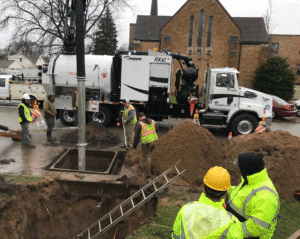

Hydro-excavation is a non-destructive digging method that has transformed industries like sewer management, pipeline rehabilitation, and roadway maintenance. By utilizing high-pressure water and a powerful vacuum system, it allows for precise excavation while protecting underground utilities and reducing environmental disruptions. For municipalities, contractors, and utility professionals, this approach is invaluable due to its advantages in safety, cost, and efficiency.
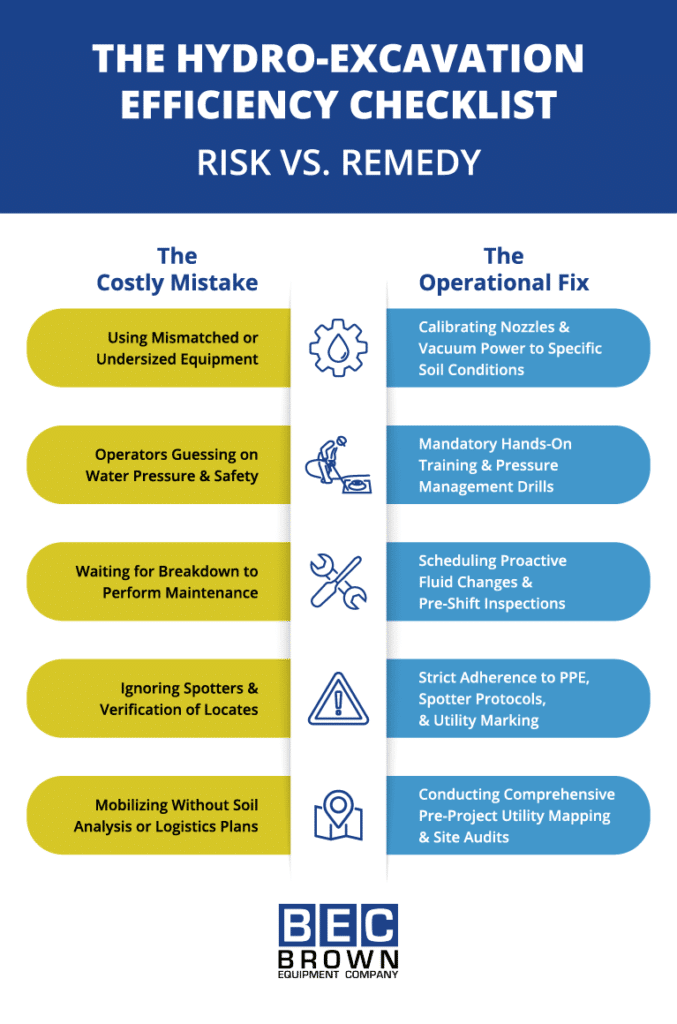
However, even with these benefits, common mistakes—such as using unsuitable equipment, insufficient operator training, or inadequate maintenance—can lead to reduced efficiency, increased costs, and serious operational risks. This article highlights five frequent errors in hydro-excavation projects and provides actionable solutions to prevent them, emphasizing the importance of safety, proper planning, and reliable support from experienced industry experts. In the following sections, we will delve deeper into each mistake, explore additional risk factors, and discuss emerging trends in hydro-excavation technology that may offer new approaches to traditional challenges.
Mistake 1: Using the Wrong Equipment for the Job
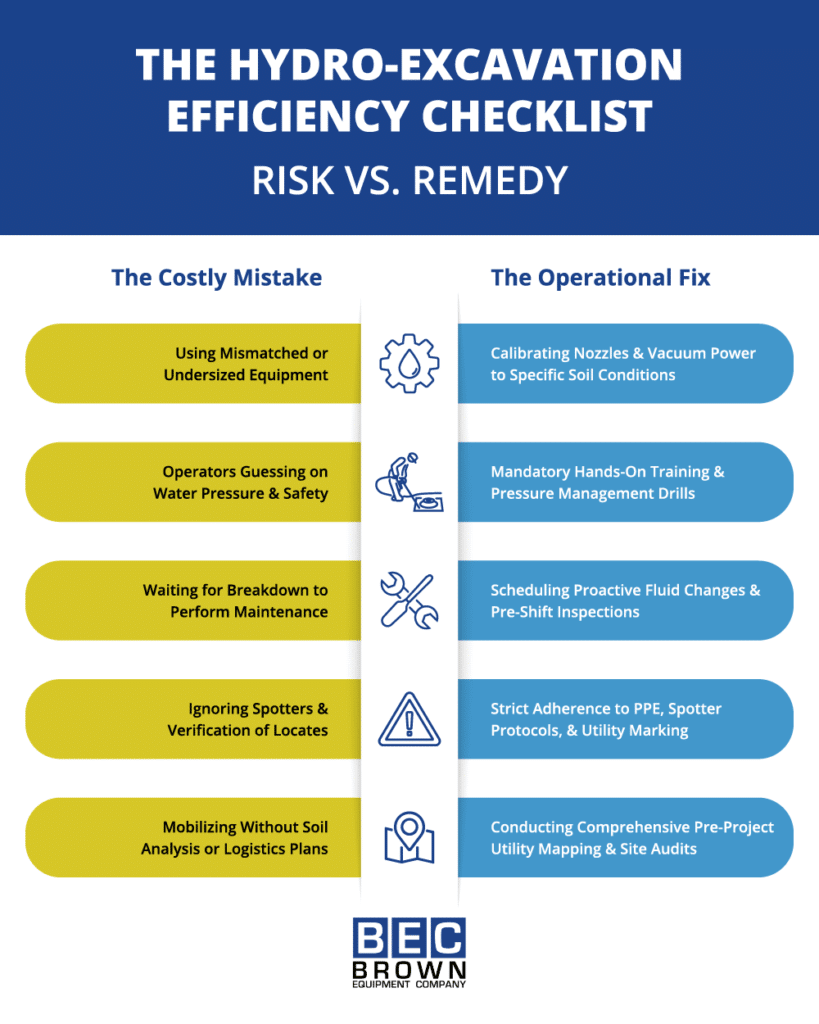
Using mismatched equipment is a frequent error that can reduce project performance and increase costs. Hydro-excavation requires specific components—such as calibrated nozzles, robust vacuum systems, and precise water delivery mechanisms—to match project needs. Contractors sometimes choose general-purpose or undersized tools, which results in inconsistent excavation and potential damage to underground utilities.
When equipment is unsuitable:
- Incorrect nozzle pressure may oversaturate the soil, causing delays in reaching the target depth.
- Insufficient vacuum power leads to recurring clogs and extended operational downtime.
- Inadequate or incompatible components increase the likelihood of utility strikes, resulting in fines and expensive repairs.
The Solution
Investment in job-appropriate tools is critical. Specialized hydro excavation nozzles and properly sized vacuum systems ensure optimal performance. Consulting with experienced equipment providers helps tailor equipment selections based on soil conditions, required excavation depth, and overall project scope. By selecting and configuring the right machinery from the start, contractors can avoid costly delays, reduce risks, and enhance overall efficiency on the job site.
It’s also important to consider the compatibility of various components throughout the equipment lifecycle. Equipment that is interoperable with new safety features and remote diagnostics offers the advantage of quick adaptations to shifting project demands. This forward-thinking selection process is an essential part of advanced project planning.
Mistake 2: Inadequate Operator Training
Even the best equipment can underperform if operators are not properly trained. Insufficient training leads to errors such as misjudging water pressure levels or incorrect manipulation of the suction wand, which can result in equipment damage, compromised safety, and increased expenses due to operational setbacks.
Real-life scenarios have shown:
- Operators with limited experience might inadvertently create unsafe work conditions by misinterpreting equipment feedback or environmental cues.
- Incorrect water pressure management can risk damaging underground utilities like gas lines or fiber-optic cables and cause inefficient excavation, potentially leading to the need for retesting and resource remobilization.
- Improper operation can reduce equipment lifespan, forcing premature repairs and increasing overall costs.
The Solution
Emphasize comprehensive operator training. Training programs that cover key aspects such as water pressure management, careful equipment handling, and hazard awareness are essential in preparing operators for unexpected challenges in the field. Enhancing real-world skills through practical, hands-on instruction and regular refresher courses helps build a competent workforce dedicated to safety and efficiency.
An ongoing training regimen supplemented with periodic assessments not only fosters a culture of continuous improvement but also enables operators to stay current with evolving technologies and best practices in hydro-excavation. It’s equally important that operators understand proper water pressure management to fully exploit the system’s capabilities.
Mistake 3: Skipping Regular Equipment Maintenance and Repairs
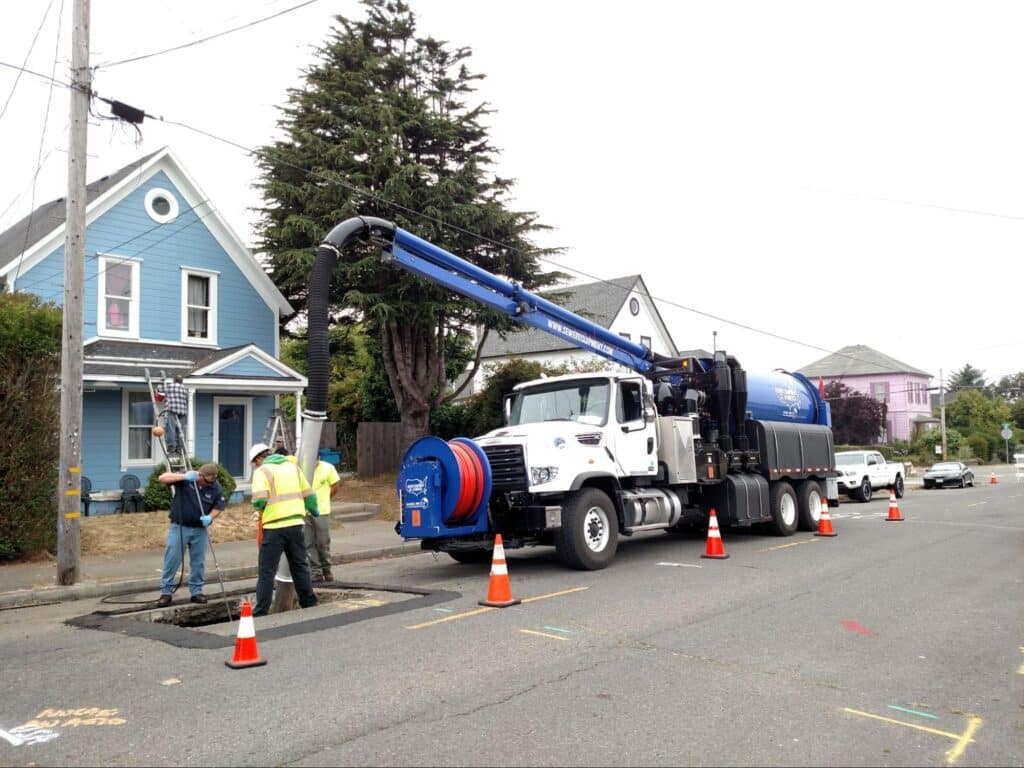
Hydro-excavation machinery faces constant mechanical and hydraulic stress during its operation. Neglecting preventive maintenance can result in component failures that disrupt projects and drive up operational costs. Even seemingly minor issues, such as a worn hose seal or clogged filter, can quickly escalate into severe breakdowns.
Consequences of poor maintenance include:
- Unscheduled downtime that leads to project delays and increased labor costs.
- Reduced efficiency due to diminished performance from worn components.
- Accelerated deterioration of equipment parts, leading to higher replacement rates and extended project timelines.
The Solution
Implement a proactive maintenance routine by scheduling regular inspections, routine checkups, and prompt repairs. Custom maintenance programs that cover thorough inspections, fluid replacements, and reconditioning services for aging machines are key to early detection of potential issues. This proactive approach keeps equipment in top condition and minimizes unexpected downtime.
Enhancing maintenance efforts with diagnostic technologies allows contractors to monitor equipment performance in real time and intervene before major failures occur, thus extending the usable life of critical components.
Mistake 4: Overlooking Safety Protocols and Risk Management
While hydro-excavation is generally safer than traditional digging methods, it still carries inherent risks. Ignoring safety protocols can lead to dangerous situations including utility strikes, injuries, and regulatory non-compliance. Lapses in safety measures—such as inadequate use of personal protective equipment (PPE) or insufficient site assessments—can have severe consequences.
On active job sites, these oversights often show up as specific, preventable mistakes:
- Parking the hydrovac truck too close to the excavation zone, putting people and equipment at risk if the ground shifts or collapses.
- Skipping a spotter when working near traffic, structures, or pedestrians, reducing visibility and increasing the chance of contact incidents.
- Failing to verify and clearly mark utility locates before cutting in, which raises the risk of striking gas, water, or fiber lines.
- Ignoring worn nozzles, hoses, or PPE, lowering control over water pressure and exposing crews to unnecessary hazards.
- Working directly under overhead lines with the boom raised, increasing the likelihood of electrical contact or line damage.
The Solution
Cultivate a culture of safety by integrating stringent risk management practices. This involves conducting thorough site assessments, ensuring all personnel use appropriate PPE, and employing specialized safety tools. Relying on expert guidance from industry professionals further reinforces safety measures and helps ensure compliance with regulatory standards. Regular safety audits and updates to risk management protocols in response to evolving environmental conditions and project requirements are critical for maintaining a secure and efficient work environment.
Mistake 5: Neglecting Proper Project Planning and Site Assessment
Comprehensive project planning and detailed site assessments are fundamental to the success of any hydro-excavation project. Overlooking these preparatory steps can result in problems such as inaccurate utility maps, unexpected soil conditions, and logistical challenges that create delays and inflate costs.
Common planning pitfalls include:
- Failing to accurately map underground utilities, leading to unexpected utility strikes.
- Inadequate analysis of soil conditions, which might result in inappropriate equipment choices or settings.
- Underestimating logistical needs, like water supply or debris disposal, that can interrupt workflow.
The Solution
Invest substantial time in thorough pre-project planning. This involves comprehensive utility mapping, soil analysis, and consideration of all logistical components that could influence the project. Expert on-site consultations and demonstration projects can help identify potential risks and determine the optimal configuration of equipment. Detailed planning not only mitigates risks but also enhances operational efficiency and reduces unforeseen delays. Utilizing modern surveying tools and remote sensing technologies, such as digital mapping, further refines project plans and supports successful execution.
Emerging Trends in Hydro-Excavation Technology
Hydro-excavation continues to evolve with the introduction of emerging technologies that contribute to enhanced safety and efficiency. One notable trend is the increased use of real-time monitoring systems, which provide operators with immediate feedback on equipment performance and environmental conditions. Although these systems show promise in improving responses to unexpected issues, their overall impact on preventing common operational mistakes remains an area for further evaluation. Other technological advancements in sensor technology, automation, and data analytics also point toward a future where operational oversight may be significantly enhanced, even if the extent of their benefits is still being defined.
Implementing Operational Excellence in Hydro-Excavation Projects
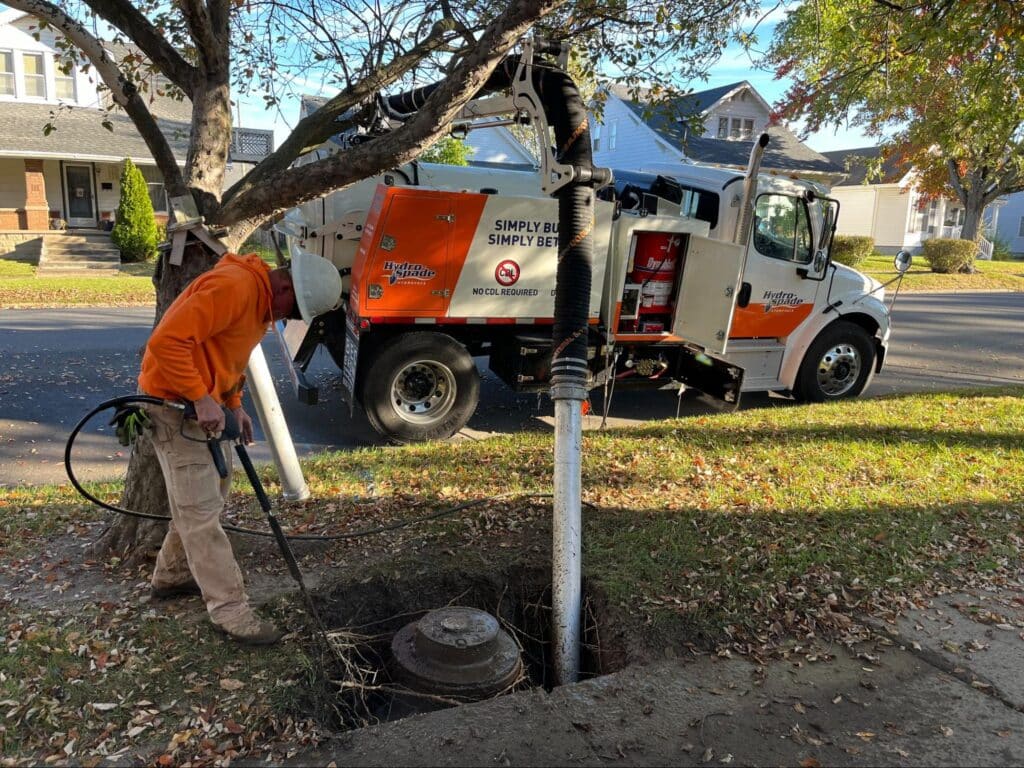
Achieving operational excellence in hydro-excavation requires a holistic approach that integrates advanced technology, rigorous training, and meticulous project planning. By uniting these elements, organizations can ensure that their projects meet or exceed industry standards.
Key factors for operational excellence include:
- Establishing clear performance metrics and benchmarks for every phase of the project.
- Implementing up-to-date training programs to keep operators informed about the latest techniques and safety protocols.
- Fostering a culture that values continuous improvement, drawing insights from past projects to enhance future performance.
Emphasizing quality control across all stages—from equipment selection to final project execution—ensures that potential issues are addressed promptly. For projects managed with attention to detail and proactive planning, the benefits include reduced operational costs, higher productivity, and significantly improved safety records.
The Role of Continuous Improvement and Customer Feedback
Continuous improvement is an iterative process that depends on feedback and systematic reviews. Engaging actively with customers and field operators can illuminate recurring challenges, helping refine operational practices accordingly. Regular feedback sessions provide valuable insights into equipment performance, training effectiveness, and the practicality of safety protocols.
Feedback from on-site operators and project managers often paves the way for improved procedures. Recognizing and addressing trends in customer feedback ultimately enhances hydro-excavation efficiency while ensuring that lessons learned contribute to ongoing success. This process is vital for achieving higher standards of operational excellence.
Successful hydro-excavation projects serve as a testament to best practices in the industry. Although project details may vary, the underlying principles—such as sound planning, thorough training, preventive maintenance, and robust safety protocols—remain consistently critical. Integrating these insights fosters a resilient and proactive operational environment. Detailed project planning combined with strong risk management helps secure successful outcomes.
How Brown Equipment Company Helps You Avoid Common Hydro-Excavation Mistakes
Brown Equipment Company helps municipalities and contractors reduce costly hydro-excavation mistakes by pairing the right equipment with expert support and training.
Customized Equipment and Maintenance Support
Brown Equipment Company matches clients with properly sized hydro-excavation units, nozzles, and vacuum systems based on soil conditions, depth requirements, and project scope. As a full-service dealership, they offer both new and used equipment, plus OEM parts and safety upgrades. Their maintenance and repair services and reconditioning programs—covering inspections, fluid changes, component rebuilds, and testing—are designed to catch issues early, extend equipment life, and minimize downtime.
Safety, Training, and On-Site Demonstrations
To address common mistakes related to training and safety, Brown Equipment Company provides operator training and on-site demonstrations across Indiana, Kentucky, Ohio, Michigan, Wisconsin, and Illinois. Training focuses on water pressure management, equipment handling, and job-site hazard awareness, helping teams work more safely and efficiently from day one.
Long-Term Partnership and Continuous Improvement
Brown Equipment Company maintains ongoing relationships with both customers and manufacturers, staying current on product enhancements and new safety features. This allows them to continuously refine their training and support, helping clients adopt best practices and modern hydro-excavation methods over time.
At Brown Equipment Company, “Service First” isn’t just a saying — it’s a mindset. Watch the video below to learn about how Brown Equipment Company always thinks about the customer, and the customer experience before anything else.
Frequently Asked Questions About Hydro-Excavation Mistakes
What are the most common hydro-excavation mistakes on job sites?
Typical mistakes include parking too close to the dig, skipping a spotter, using worn or incorrect nozzles, ignoring PPE, and operating equipment without proper training. These errors increase the risk of utility strikes, injuries, and costly downtime.
How can I reduce the risk of damaging underground utilities?
Verify utility locates, expose lines carefully with controlled water pressure, keep a safe distance with the wand, and use a trained operator plus a spotter. Partnering with an experienced equipment provider like Brown Equipment Company also helps you choose appropriate tools and safety options.
How often should hydro-excavation equipment be inspected?
At minimum, perform a visual inspection before each shift and follow the manufacturer’s recommended maintenance intervals. Many contractors schedule routine service and reconditioning to catch issues early and avoid unplanned downtime.
Is hydro-excavation really safer than traditional digging?
Yes—when done correctly. Because hydro-excavation exposes utilities with water and vacuum instead of metal teeth or blades, it significantly lowers the chance of strikes and damage. However, safety still depends on proper training, planning, and equipment care.
Ensuring Success Through Proactive Hydro-Excavation Practices
Hydro-excavation offers significant benefits in terms of precision and safety, but its success is contingent upon avoiding common mistakes such as using inappropriate equipment, insufficient operator training, poor maintenance, neglected safety protocols, and inadequate project planning. Bridging these gaps requires a proactive strategy emphasizing tailored equipment, skilled operators, regular upkeep, and robust risk management to achieve cost-effective, smooth project execution.
Partnering with experienced industry providers, such as Brown Equipment Company, gives you access to tailored equipment solutions, maintenance programs, and consultative support to keep your projects running smoothly. By prioritizing operational excellence and continuous improvement, you can reduce costs, improve safety, and avoid preventable hydro-excavation mistakes.
Ready to reduce hydro-excavation mistakes on your next project? Contact Brown Equipment Company for help selecting the right hydro-excavator, scheduling maintenance, or arranging operator training across Indiana, Kentucky, Ohio, Michigan, Wisconsin, and Illinois.